How Much Does a Water Slag Vertical Mill Cost? – Price Analysis & Factors
We provide a wide range of mills — including Raymond mill, trapezoidal mill, vertical mill, ultrafine mill, and ball mill, obtained ISO9001 international quality certification, EU CE certification, and Customs Union CU-TR certification. Suitable for processing minerals such as limestone, phosphate, quicklime, kaolin, talc, barite, bentonite, calcium carbonate, dolomite, coal, gypsum, clay, carbon black, slag, cement raw materials, cement clinker, and more.
The discharge range of these mills can be adjusted to meet specific processing needs, typically from 80-400 mesh, 600-3250 mesh, and can achieve the finest particle size of up to 6000 mesh(D50).
If you are looking for a reliable grinding solution to turn stone or minerals into fine powder, please feel free to contact our online customer service.
How Much Does a Water Slag Vertical Mill Cost? – Price Analysis & Factors
So, you’re in the market for a water slag vertical mill, and the big question on your mind is: “How much is this gonna set me back?” It’s a common question, but the answer isn’t as simple as a single price tag. The cost of a vertical mill for grinding water slag can vary dramatically, ranging from tens of thousands to well over a million dollars, depending on a whole host of factors. Let’s break down what influences that final number and what you should be considering before you invest.
Key Factors That Influence the Price
Understanding these variables is crucial to getting an accurate quote and making a smart investment.
1. Capacity and Output Requirements
This is the big one. Are you processing 5 tons per hour or 100? The size and power of the mill needed to meet your production targets are the primary drivers of cost. A larger capacity mill requires more robust materials, a more powerful motor, and a heavier-duty construction, all of which add to the price. You need to have a clear idea of your required throughput.
2. Technical Specifications and Customization
Beyond simple size, the specific technical features you need will affect the price. This includes the desired fineness of the final powder (e.g., 325 mesh vs. 2500 mesh), the moisture content of your raw slag, and whether you need integrated drying systems. Customizations for specific material characteristics or plant layouts will also add to the engineering and manufacturing cost.
3. Manufacturer and Brand Reputation
Established brands with proven track records in grinding hard, abrasive materials like slag often command a premium. You’re not just paying for the steel and motors; you’re paying for decades of R&D, reliable performance, and extensive after-sales support. While cheaper, no-name options exist, they often come with higher long-term risks and operational costs.
4. Ancillary Equipment and System Integration
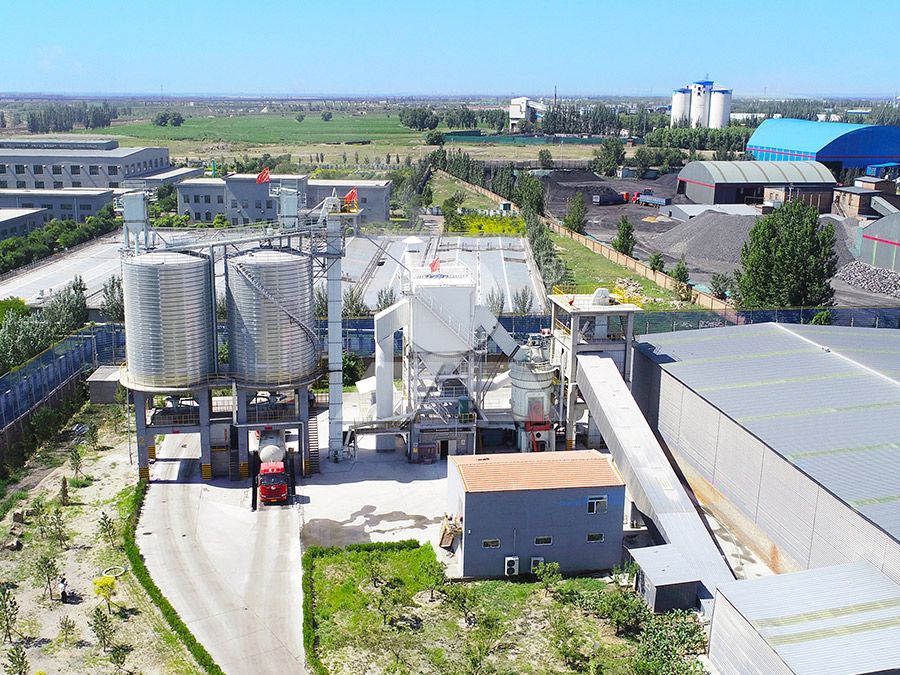
The mill itself is just the core of the system. The total cost must include ancillary equipment like jaw crushers for preliminary size reduction, elevators, vibrating feeders, efficient dust collectors (a must for slag), pulse jet baghouses, silos, and the electrical control system. A turnkey system that is fully integrated will cost more upfront but saves immense hassle and ensures optimal performance.
5. Shipping, Installation, and Commissioning
Don’t forget the cost of getting this heavy machinery to your site and getting it running. This includes international shipping (if applicable), import duties, on-site foundation construction, crane services for installation, and the time of technical experts to commission the mill and train your staff.
A Smart Investment: Our LM Vertical Slag Mill
When evaluating options for water slag grinding, it’s critical to look beyond the initial purchase price and consider total cost of ownership, which includes energy consumption, maintenance downtime, and wear part replacement costs.
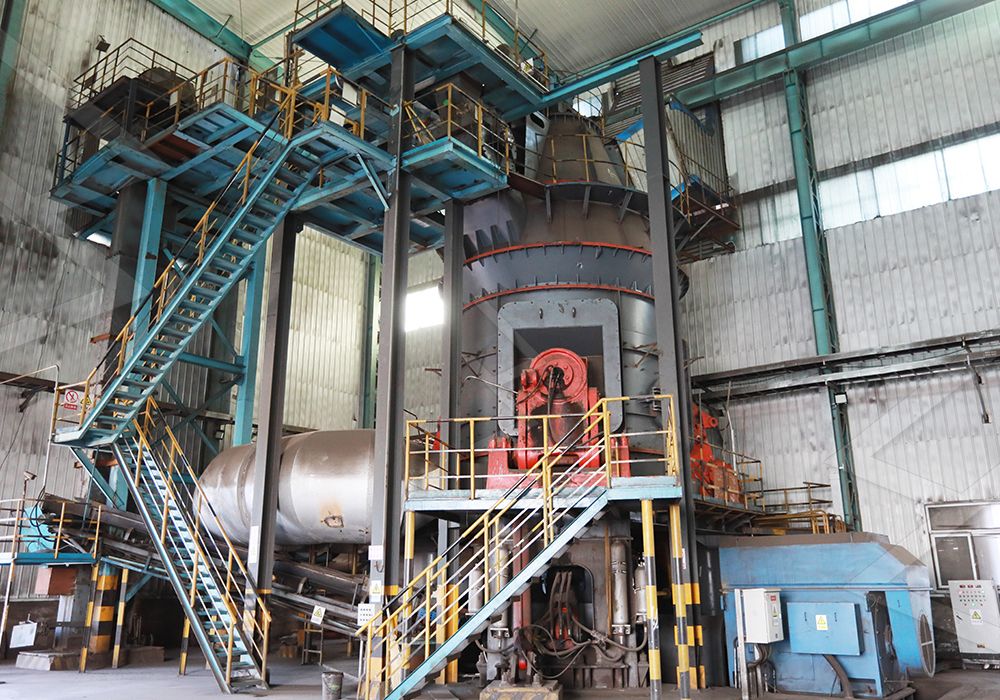
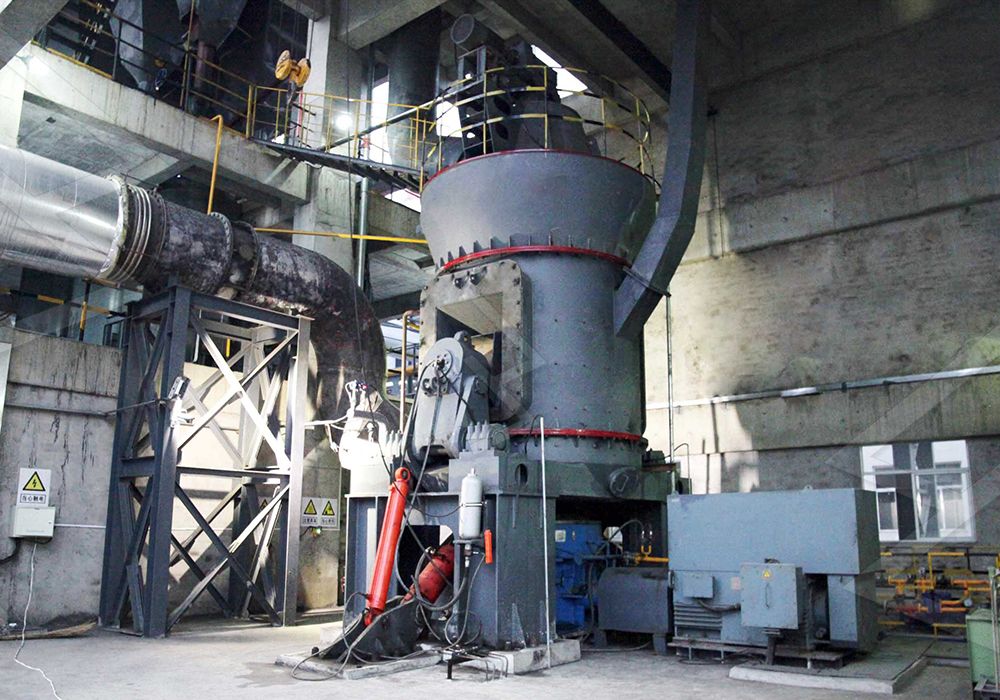
Our LM Vertical Slag Mill is specifically engineered for this tough application. It integrates drying, grinding, powder selection, and conveying in a single unit, significantly reducing your initial layout and civil engineering costs. Its occupational area is about 50% of a traditional ball mill system, and its energy consumption is 30% ~ 40% lower. Features like a unique grinding device, high-performance wear-resistant materials, and a negative-pressure operation that ensures no dust spillage make it a reliable and efficient workhorse. With a capacity range of 7-100 T/H, it can be configured precisely for your project’s scale, ensuring you don’t overpay for capacity you don’t need.
Conclusion: It’s About Value, Not Just Price
Asking “how much does a water slag vertical mill cost?” is like asking how much a house costs—the answer depends on size, location, and features. The cheapest option can often become the most expensive due to downtime, high energy bills, and frequent repairs.
The best approach is to consult directly with reputable manufacturers. Provide them with your specific material details (input size, moisture, desired output fineness) and capacity requirements. They can then provide a detailed quotation that includes the mill, ancillaries, and often, a projection of operating costs. Investing in a robust, efficient system like our LM Vertical Slag Mill might have a higher initial price tag, but it pays for itself through years of reliable, low-maintenance, and cost-effective operation.