
How Much Does a Vertical Roller Mill for Clinker Grinding Cost?
We provide a wide range of mills — including Raymond mill, trapezoidal mill, vertical mill, ultrafine mill, and ball mill, obtained ISO9001 international quality certification, EU CE certification, and Customs Union CU-TR certification. Suitable for processing minerals such as limestone, phosphate, quicklime, kaolin, talc, barite, bentonite, calcium carbonate, dolomite, coal, gypsum, clay, carbon black, slag, cement raw materials, cement clinker, and more.
The discharge range of these mills can be adjusted to meet specific processing needs, typically from 80-400 mesh, 600-3250 mesh, and can achieve the finest particle size of up to 6000 mesh(D50).
If you are looking for a reliable grinding solution to turn stone or minerals into fine powder, please feel free to contact our online customer service.
How Much Does a Vertical Roller Mill for Clinker Grinding Cost?
This is one of the most common, and complex, questions we encounter from plant managers and procurement specialists in the cement industry. The truth is, there is no single price tag. The cost of a vertical roller mill (VRM) for clinker grinding is a multifaceted equation, influenced by a range of factors from raw material properties to desired final product specifications. Instead of a simple number, it’s more productive to understand the components that build up the total investment.
Key Factors Influencing the Cost
The final price is a sum of the machine’s initial purchase price, installation costs, and long-term operational expenses. Key technical considerations include:
- Capacity Requirements (tph): This is the primary driver. A system designed for 50 tph will have a significantly different scale and price point than one for 200 tph.
- Fineness of the Product: Achieving a higher Blaine surface area requires more sophisticated grinding elements and separator technology, impacting the cost.
- Moisture Content & Grindability: Clinker with higher moisture or lower grindability will need a mill with robust drying capabilities and higher power, increasing the initial and operational costs.
- System Configuration: Are you purchasing a standalone mill or a complete system with pre-crusher, dryer, elevator, and advanced automation? The scope of supply is a major cost determinant.
Beyond the Price Tag: The Value of Advanced Technology
While the initial capital outlay is important, savvy buyers focus on the Total Cost of Ownership (TCO). A slightly higher upfront investment in a more efficient and reliable mill can lead to substantial savings over its lifespan. This is where technological innovation pays dividends.
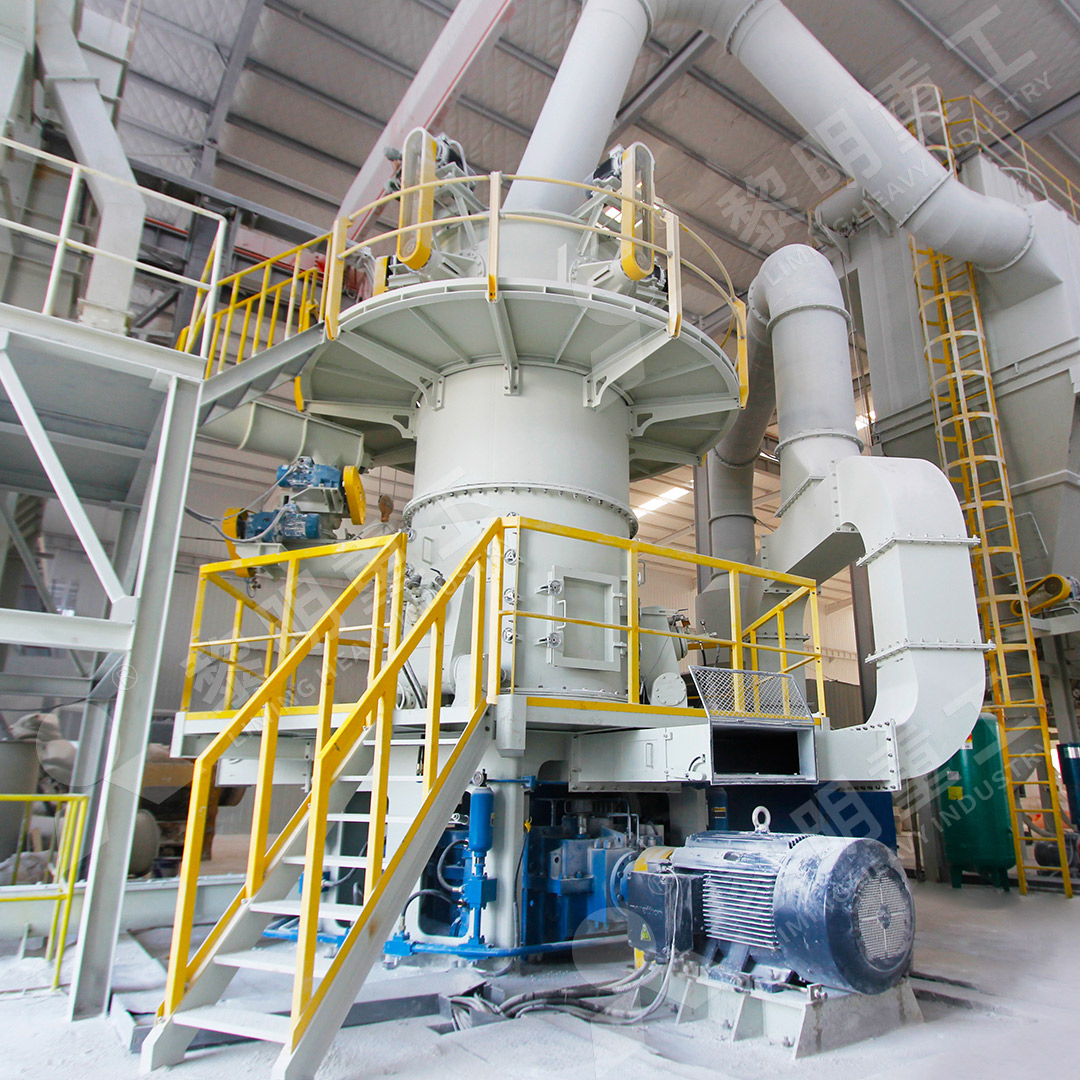
For instance, our LM Vertical Grinding Mill is engineered specifically for non-metallic minerals, pulverized coal, and slag. It integrates crushing, drying, grinding, classifying, and conveying into a single unit. This compact design reduces the footprint by 50% compared to a traditional ball mill system, directly cutting construction and infrastructure costs. More importantly, its optimized grinding curve and efficient separator technology result in energy savings of 30%-40%, a critical factor given that grinding can account for over 40% of a plant’s electrical consumption.
A Solution for Ultra-Fine Requirements
For projects demanding exceptionally fine powders, a standard VRM might not suffice. In such cases, an ultrafine grinding solution is required. Our MW Ultrafine Grinding Mill is designed for customers who need to make ultra-fine powder between 325-2500 meshes. Its unique design, featuring a cage-type powder selector with German technology, ensures high precision in powder separation. A key advantage is the absence of rolling bearings and screws in the grinding chamber, eliminating common failure points and enabling worry-free, continuous 24/7 operation. This translates to lower maintenance costs and higher availability, which are crucial for profitability.
Conclusion: An Investment in Efficiency
Ultimately, the cost of a vertical roller mill is an investment in your plant’s future efficiency and productivity. It is essential to partner with a supplier who can provide a comprehensive solution tailored to your specific clinker characteristics and production goals. A detailed analysis that considers both capital expenditure and long-term operational savings will reveal the true value of a high-performance grinding mill.
Frequently Asked Questions (FAQ)
What is the typical price range for a vertical roller mill?
Prices can vary widely from several hundred thousand dollars for smaller, standard models to several million dollars for large, fully automated systems. A detailed quotation from a supplier based on your specific requirements is necessary for an accurate price.
How does the operating cost of a VRM compare to a ball mill?
VRMs are significantly more energy-efficient, typically consuming 30% to 50% less energy than ball mills for the same grinding duty. They also have lower wear rates on grinding media and require less maintenance.
What is the lead time for delivery and installation?
Lead times depend on the mill’s size and complexity, ranging from 4 to 12 months from order to commissioning. This includes manufacturing, shipping, and on-site installation.
Can a VRM handle wet or high-moisture clinker?
Yes, modern VRMs like the LM series integrate a drying function. Hot gases can be introduced into the mill to simultaneously dry and grind the material, making them suitable for clinker with moderate moisture content.