
How Much Does a Vertical Mill Cost for Slag Pulverization?
We provide a wide range of mills — including Raymond mill, trapezoidal mill, vertical mill, ultrafine mill, and ball mill, obtained ISO9001 international quality certification, EU CE certification, and Customs Union CU-TR certification. Suitable for processing minerals such as limestone, phosphate, quicklime, kaolin, talc, barite, bentonite, calcium carbonate, dolomite, coal, gypsum, clay, carbon black, slag, cement raw materials, cement clinker, and more.
The discharge range of these mills can be adjusted to meet specific processing needs, typically from 80-400 mesh, 600-3250 mesh, and can achieve the finest particle size of up to 6000 mesh(D50).
If you are looking for a reliable grinding solution to turn stone or minerals into fine powder, please feel free to contact our online customer service.
How Much Does a Vertical Mill Cost for Slag Pulverization?
If you’re in the market for slag processing equipment, the cost is undoubtedly a primary concern. The price tag for a vertical mill designed for slag pulverization isn’t a simple, one-size-fits-all figure. It’s a complex equation influenced by a multitude of factors, from raw material characteristics to desired final product specifications. Understanding these variables is key to making an informed investment that delivers long-term value, not just a low initial cost.
Key Factors Influencing the Cost of a Vertical Slag Mill
The final price you’ll pay is a sum of several components:
- Mill Model and Capacity: This is the most significant cost driver. A larger mill with a higher throughput capacity (e.g., 25 tph vs. 5 tph) will command a higher price. The engineering, materials, and power required scale accordingly.
- Material Characteristics: The hardness, abrasiveness, moisture content, and feed size of your slag directly impact the mill’s design. Harder, more abrasive materials may require more robust, wear-resistant liners and grinding elements, increasing the cost.
- Fineness Requirements: Achieving a super-fine powder (e.g., 2500 mesh) demands more sophisticated internal classifiers, higher precision machining, and often more power than producing a coarser product (e.g., 325 mesh).
- System Configuration: Are you buying just the mill, or a complete system? A full system includes auxiliary equipment like jaw crushers for pre-sizing, bucket elevators, vibrating feeders, a sophisticated pulse dust collection system, silos, and packing machines. This can easily double or triple the base equipment cost.
- Automation Level: A basic manual control panel is standard. However, investing in a fully automated PLC control system with remote monitoring capabilities adds cost but significantly improves operational efficiency, consistency, and safety.
- Brand and Quality: Established manufacturers with proven technology and a global service network often price their equipment higher. This premium is usually justified by superior reliability, higher efficiency, better after-sales support, and readily available genuine spare parts.
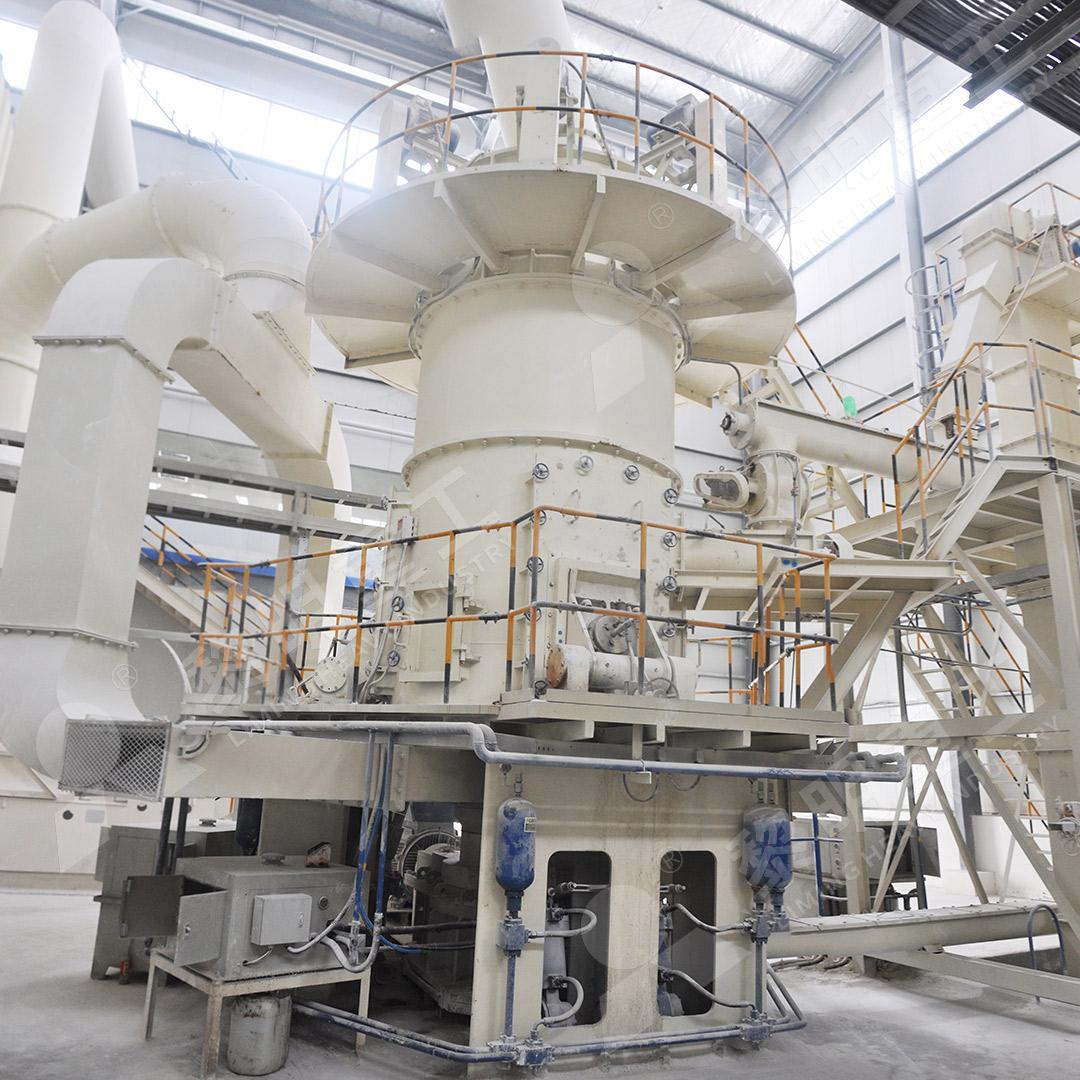
Beyond the Purchase Price: The Total Cost of Ownership (TCO)
A savvy buyer looks beyond the initial invoice. The true cost of a vertical mill is its Total Cost of Ownership, which includes:
- Energy Consumption: This is often the largest operational expense over the machine’s lifespan. Modern, energy-efficient designs can save 30-50% on power compared to older ball mill technology. A slightly higher upfront cost for an efficient mill can lead to massive savings on your electricity bill.
- Wear Part Consumption: Grinding rollers and table liners are consumables. The cost and frequency of replacement are critical. Mills designed with high-chromium or other advanced alloys offer dramatically longer service life, reducing downtime and part replacement costs.
- Maintenance Labor: Easy maintenance access is a huge cost-saver. Designs that allow rollers to be swung out hydraulically for inspection or liner replacement without dismantling half the machine save countless hours of labor.
- Downtime: Unplanned stoppages are incredibly costly. Reliability, backed by quick technical support and spare part availability, is priceless.
Introducing a Cost-Effective Solution: The LM Vertical Slag Mill
When evaluating options for slag pulverization, the LM Vertical Slag Mill stands out as a remarkably cost-effective solution engineered for this specific application. It’s not a generic mill retrofitted for slag; it’s built from the ground up to handle industrial waste like steel slag and granulated blast furnace slag.
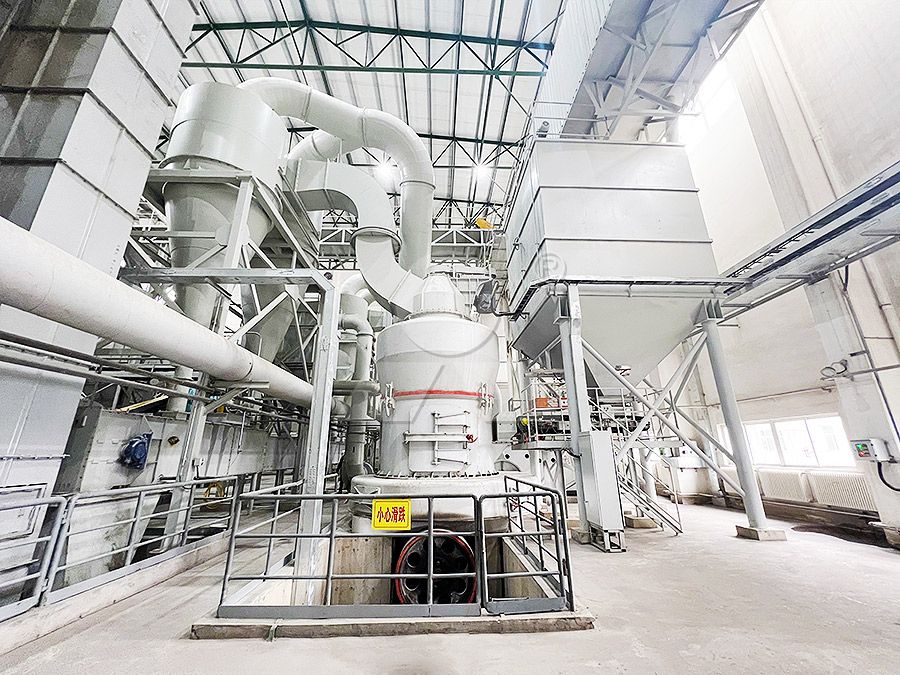
Here’s how it adresses key cost factors:
- Lower Energy Bills: Its integrated grinding and powder selection design consumes 30% ~ 40% less energy than traditional ball milling systems. This saving alone can justify the investment in a relatively short period.
- Reduced Footprint, Lower Construction Cost: Its vertical structure is compact, occupying about 50% of the space required by a ball mill system. This can significantly reduce the cost of the building or plant structure that houses it.
- Built for Durability: Key components are constructed from high-performance wear-resistant materials, combatting the abrasive nature of slag. This translates to longer intervals between maintenance shutdowns and lower spare part costs over its lifetime.
- High Efficiency & Quality Output: It produces a fine, uniform powder with a high screening rate, ideal for use in cement and concrete production, adding value to your end product.
Getting a Precise Quote
So, what’s the number? For a standard configuration LM Vertical Slag Mill with a capacity range of 7-100 tons per hour, prices can vary widely from roughly $150,000 to over $1,000,000. The final price is determined after our engineers review your specific project requirements.
To get an accurate quotation, you’ll need to provide details such as:
- Slag type and chemical composition.
- Feed size and moisture content.
- Required final fineness and hourly capacity.
- Desired level of automation (local vs. remote control).
- Any site-specific constraints.
Conclusion: An Investment, Not Just an Expense
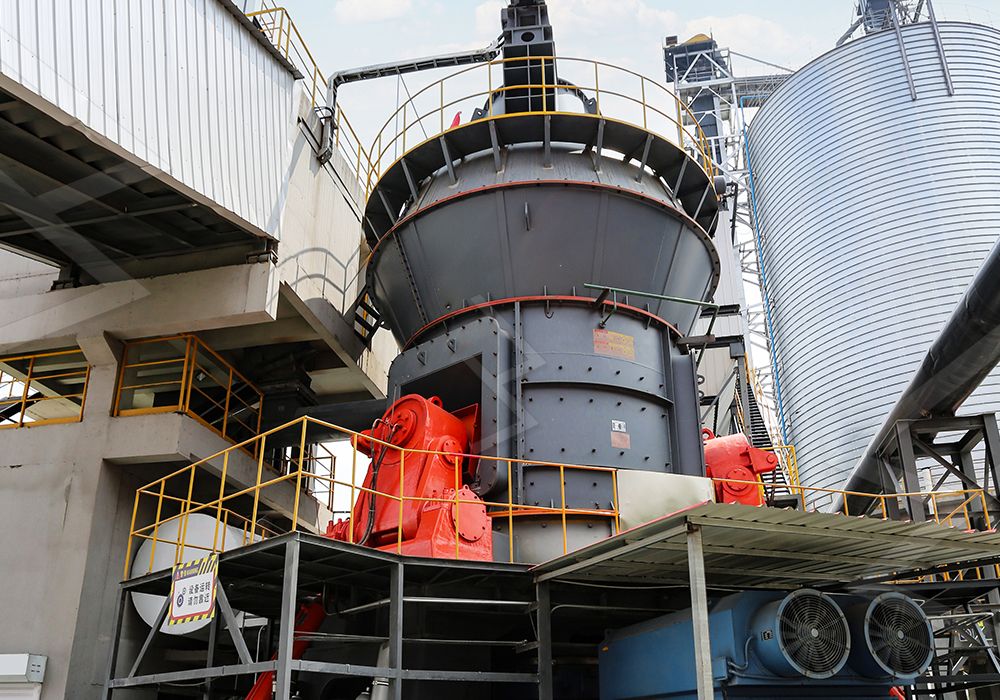
The cost of a vertical mill for slag is a significant capital investment. However, by focusing on the Total Cost of Ownership and choosing a purpose-built machine like the LM Vertical Slag Mill, you are not just buying a piece of equipment—you are investing in a system that will lower your operating costs, increase your productivity, and turn a waste product into a valuable commodity for years to come. The cheapest option upfront is rarely the most economical in the long run. Contact us today to discuss your project and receive a tailored, no-obligation quote that fits your budget and technical needs.