How Much Does a Used Grinding Mill Cost in Zimbabwe? – Price Guide & Market Analysis
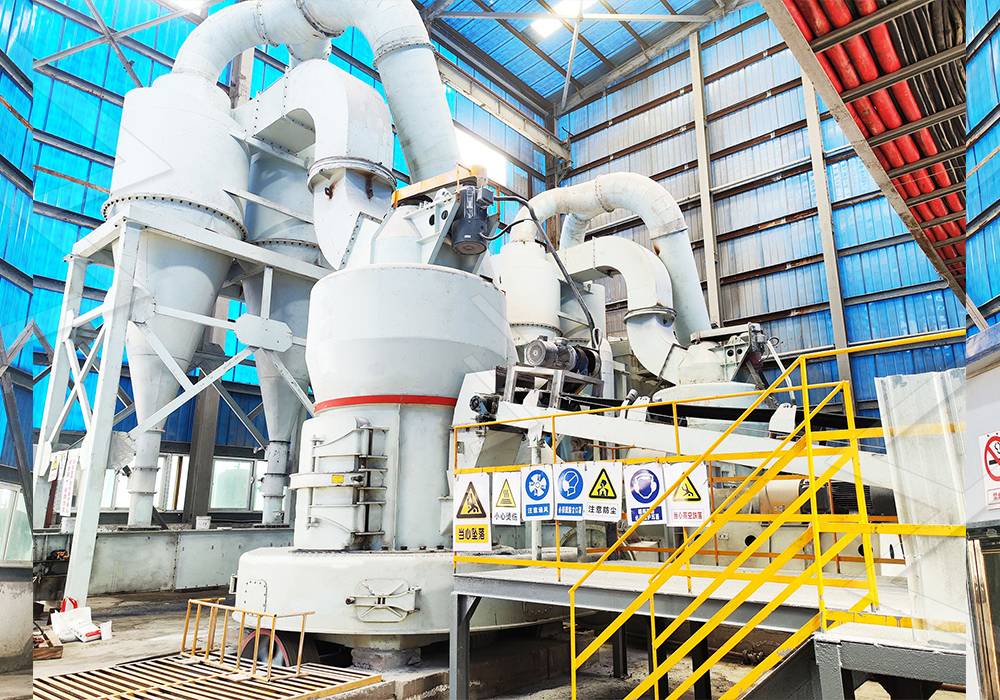
We provide a wide range of mills — including Raymond mill, trapezoidal mill, vertical mill, ultrafine mill, and ball mill, obtained ISO9001 international quality certification, EU CE certification, and Customs Union CU-TR certification. Suitable for processing minerals such as limestone, phosphate, quicklime, kaolin, talc, barite, bentonite, calcium carbonate, dolomite, coal, gypsum, clay, carbon black, slag, cement raw materials, cement clinker, and more.
The discharge range of these mills can be adjusted to meet specific processing needs, typically from 80-400 mesh, 600-3250 mesh, and can achieve the finest particle size of up to 6000 mesh(D50).
If you are looking for a reliable grinding solution to turn stone or minerals into fine powder, please feel free to contact our online customer service.
How Much Does a Used Grinding Mill Cost in Zimbabwe? – Price Guide & Market Analysis
The mining and agricultural sectors in Zimbabwe are heavily reliant on efficient grinding mills for processing minerals and grains. The cost of a used grinding mill can vary significantly based on type, capacity, condition, and age. For small to medium-scale operations, prices can range from a few thousand USD for a basic Raymond or ball mill to over $50,000 for larger, more advanced vertical or trapezium mills in good condition. Key factors influencing price include mill type, production capacity (tph), level of wear, and availability of spare parts.
Market Overview and Key Considerations
The Zimbabwean market for used grinding mills is active, with demand driven by small-scale miners and farmers. Common finds include older Raymond Mills and Ball Mills, which, while affordable, often come with higher maintenance costs and lower energy efficiency. When evaluating a used mill, it’s crucial to inspect the grinding elements (rollers, rings), check for availability of spare parts, and consider the cost of potential refurbishment. Electrical systems and wear parts are common areas requiring attention in second-hand equipment.
Beyond the Initial Price: Operational Costs Matter
While the upfront cost is important, savvy buyers prioritize total operational cost. Energy consumption is a massive factor in Zimbabwe, where power can be expensive or unreliable. Older mills are notorious energy guzzlers. Maintenance downtime and the cost and lead time for importing spare parts can also cripple operations. A slightly more expensive used mill that is more efficient and reliable often provides a better long-term return on investment.
A Smart Alternative: High-Efficiency New Mills
For businesses focused on growth and profitability, investing in a new, high-efficiency mill can be more economical than struggling with a problematic used machine. Modern mills are designed for significantly lower energy consumption and higher yields, quickly offsetting the higher initial investment through reduced operating costs.
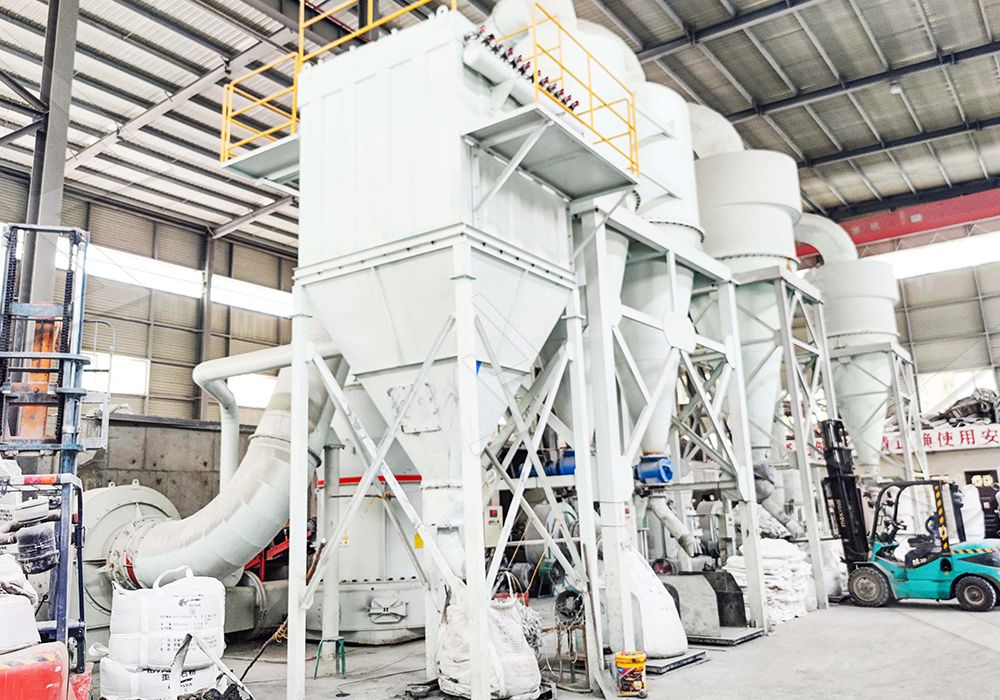
For operations requiring ultra-fine powder between 325-2500 meshes, the MW Ultrafine Grinding Mill is an exceptional choice. It handles materials like limestone, calcite, and talc with a capacity of 0.5-25 tph. Its design boasts 40% higher output and 30% lower energy consumption compared to jet mills. A key feature is the absence of rolling bearings and screws in the grinding chamber, drastically reducing maintenance worries and the risk of machine failure from loose parts. Its efficient pulse dust collector ensures eco-friendly, dust-free operation, which is a significant advantage.
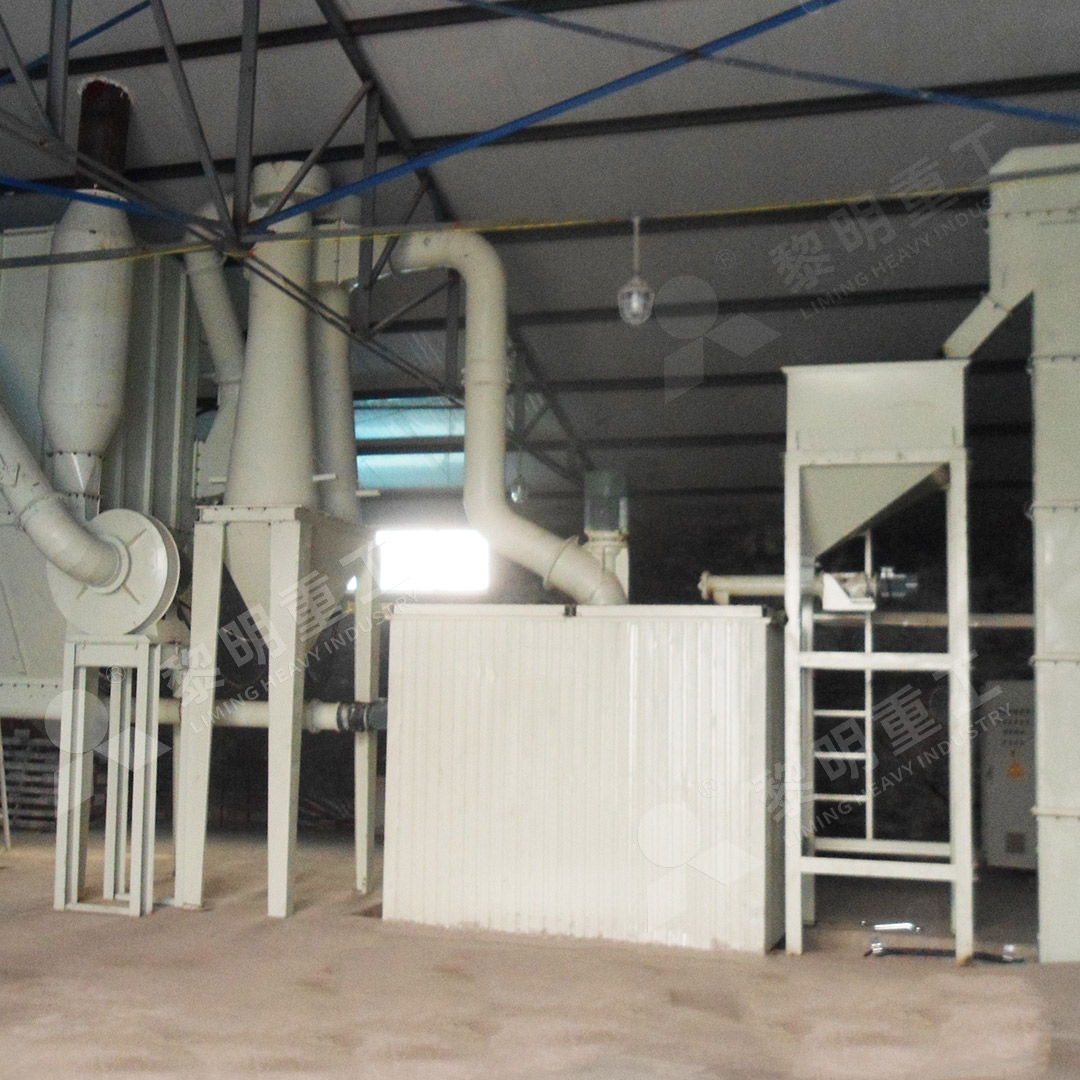
Another top-tier option for superior performance is the LUM Ultrafine Vertical Grinding Mill. It integrates grinding, grading, and transporting with advanced roller and powder separating technology. It offers a higher yielding rate and better product quality, with energy consumption reduced by 30%-50%. Its reversible structure allows for easy maintenance, making it a robust and reliable solution for processing non-metallic ores.
Conclusion
Ultimately, the “cost” of a grinding mill in Zimbabwe encompasses more than just its purchase price. While a used mill may seem like a bargain, hidden maintenance, energy, and downtime costs can add up quickly. For businesses aiming for efficiency, reliability, and lower long-term operating expenses, investing in a new, technologically advanced mill from a reputable supplier like Liming Heavy Industry is a strategic decision that safeguards productivity and profitability.