
How Much Does a River Pebble Grinding Mill Machine Cost?
We provide a wide range of mills — including Raymond mill, trapezoidal mill, vertical mill, ultrafine mill, and ball mill, obtained ISO9001 international quality certification, EU CE certification, and Customs Union CU-TR certification. Suitable for processing minerals such as limestone, phosphate, quicklime, kaolin, talc, barite, bentonite, calcium carbonate, dolomite, coal, gypsum, clay, carbon black, slag, cement raw materials, cement clinker, and more.
The discharge range of these mills can be adjusted to meet specific processing needs, typically from 80-400 mesh, 600-3250 mesh, and can achieve the finest particle size of up to 6000 mesh(D50).
If you are looking for a reliable grinding solution to turn stone or minerals into fine powder, please feel free to contact our online customer service.
How Much Does a River Pebble Grinding Mill Machine Cost?
For any project manager or business owner in the aggregates, construction, or landscaping industry, the question of equipment cost is paramount. When it comes to processing river pebbles into fine or ultra-fine powders for applications ranging from high-grade concrete additives to specialized industrial fillers, selecting the right grinding mill is a critical investment. The cost of a river pebble grinding mill is not a single figure but a spectrum influenced by a complex interplay of factors. This article will dissect these variables and provide a framework for understanding the investment, while highlighting a premier solution from our portfolio.
Key Factors Determining the Final Price Tag
The initial purchase price is just one component of the total cost of ownership. A holistic evaluation considers the following:
1. Production Capacity and Output Fineness
This is the primary driver. A mill designed for 3 tons per hour (tph) will be significantly less expensive than one rated for 50 tph. Furthermore, the target product fineness dramatically impacts the machine’s design and technology. Producing a coarse 80-mesh sand requires a simpler system than achieving a consistent 800-mesh ultra-fine powder. Higher precision in particle size distribution demands more advanced internal classifiers and grinding mechanisms, increasing cost.
2. Core Technology and Mill Type
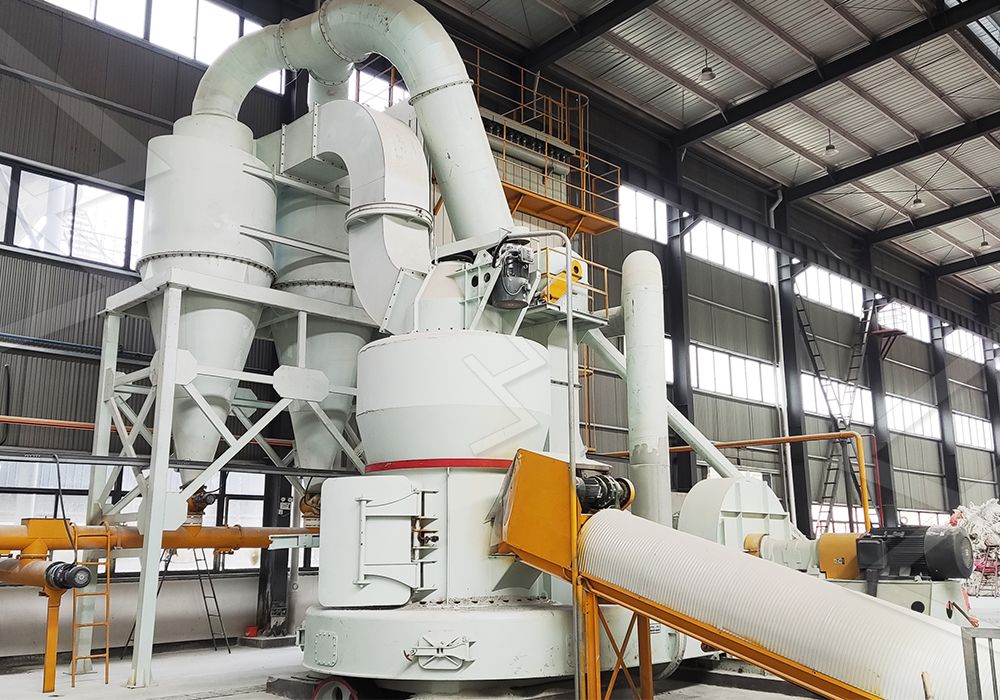
The engineering behind the mill defines its efficiency and longevity. Basic Raymond mills or ball mills offer a lower entry cost but often at the expense of higher energy consumption, greater wear, and less precise control over product specs. Modern vertical roller mills (VRM) or advanced European-type trapezium mills incorporate technologies like:
- Hydraulic roller systems for precise grinding pressure control.
- High-efficiency, multi-head cage powder separators.
- Fully automated PLC control systems.
- Integrated drying capabilities for moist feed material.
These features command a higher initial price but deliver substantial savings in operational costs (OPEX).
3. System Configuration and Ancillary Equipment
A grinding mill is rarely a standalone machine. The total system cost includes crushers for primary size reduction, elevators, vibrating feeders, pulse jet dust collectors, silos, packing machines, and the electrical control cabin. The sophistication of the dust collection and noise reduction systems, crucial for environmental compliance, also adds to the cost.
4. Material of Construction and Wear Parts
River pebbles, primarily composed of quartz, are highly abrasive. The lifespan of grinding rollers, rings, and liners is a major cost factor. Mills equipped with wear-resistant alloy components, often developed through proprietary metallurgy, have a higher upfront cost but drastically reduce downtime and spare parts replacement frequency, offering better long-term value.
A Strategic Investment: The LIMING MW Ultrafine Grinding Mill
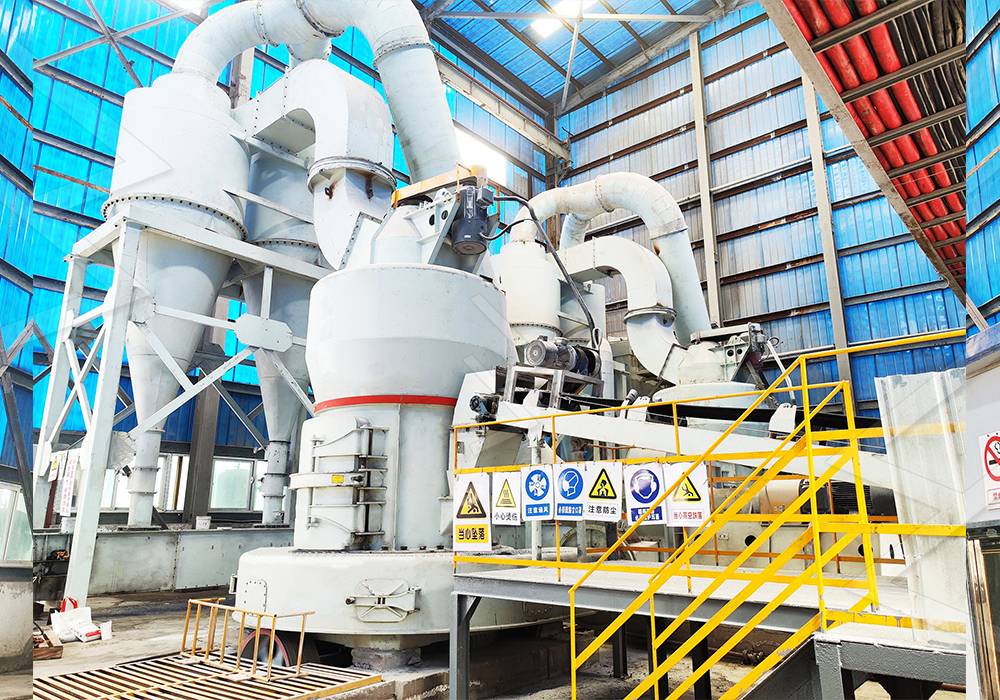
For projects requiring high-value, ultra-fine powders from river pebbles, a conventional mill may fall short. We recommend evaluating our MW Ultrafine Grinding Mill, a machine engineered for precision, efficiency, and reliability where it matters most.
Specifically designed for ultra-fine powder production (adjustable between 325-2500 meshes), the MW Series addresses the core challenges of grinding hard, abrasive materials like quartz-rich river pebbles. Its innovative design eliminates rolling bearings and screws within the grinding chamber, a common failure point under abrasive conditions. This translates to worry-free operation and eliminates machine damage from loose components.
Economically, its advantages directly counter long-term operational expenses. The newly designed grinding curves enhance efficiency, yielding up to 40% higher capacity than jet mills and double that of ball mills at the same power consumption. Furthermore, its system energy use is a remarkable 30% of a comparable jet mill. When calculating total cost, this dramatic reduction in energy consumption—often the largest OPEX item—justifies the investment. The integrated high-efficiency pulse dust collector and muffler ensure environmentally sound operation, avoiding potential fines and facilitating permitting.
Beyond Purchase Price: Calculating Total Cost of Ownership (TCO)
A savvy buyer looks beyond the invoice. The true cost encompasses:
- Energy Consumption: The mill’s power draw per ton of output is the most significant recurring cost.
- Wear Parts Consumption: Frequency and cost of replacing rollers, rings, and liners.
- Maintenance Labor & Downtime: Ease of access for maintenance and reliability directly affect production losses.
- Footprint & Installation: A compact, integrated system saves on foundation and plant building costs.
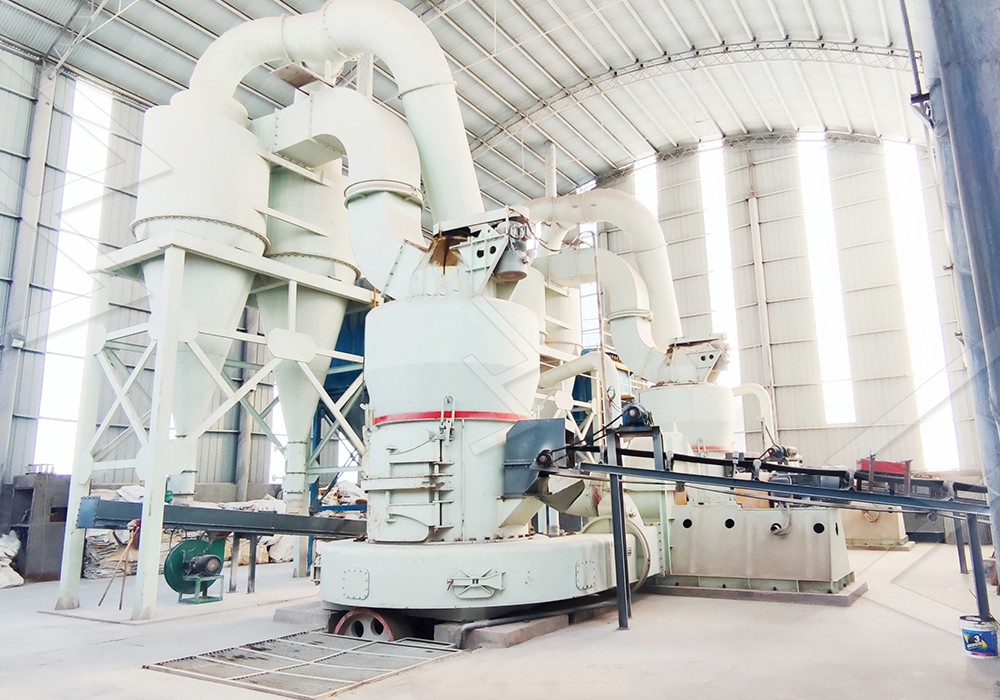
A mill like our LUM Ultrafine Vertical Grinding Mill exemplifies TCO optimization. It integrates grinding, classifying, and conveying, reducing footprint and installation complexity. Its reversible roller structure allows easy maintenance—rollers can be swung out hydraulically for servicing, minimizing downtime. The PLC-controlled multi-head powder separator provides exceptional precision with low energy use. For river pebble processing aiming for high-quality filler or chemical-grade powder, such features reduce lifetime costs significantly.
Conclusion: An Investment in Precision and Efficiency
The cost of a river pebble grinding mill machine is an investment in your product quality and process efficiency. While prices can range from tens of thousands for a basic, small-capacity unit to several hundred thousand for a fully automated, high-capacity ultra-fine grinding system, the key is to align the machine’s capabilities with your long-term production and financial goals. Focusing on Total Cost of Ownership, supported by robust, energy-efficient technology like our MW or LUM series mills, ensures that your investment pays dividends in consistent output, lower operating expenses, and superior product quality for years to come.
Frequently Asked Questions (FAQs)
1. What is the approximate price range for a complete river pebble grinding plant?
Prices vary widely based on capacity and automation. A small to medium system (5-15 tph) for coarse to medium-fine powder can range from $100,000 to $300,000. A large, fully automated plant for ultra-fine powder (20+ tph) can exceed $500,000. A detailed quotation requires specific project parameters.
2. Why is an ultra-fine mill like the MW Series more suitable than a traditional ball mill for river pebbles?
Ball mills are less energy-efficient and have higher wear rates when processing highly abrasive materials like quartz. The MW Ultrafine Grinding Mill uses a more efficient grinding principle, consumes significantly less power per ton, and is designed with an abrasion-resistant chamber free of internal bearings vulnerable to abrasive dust, leading to lower long-term operating and maintenance costs.
3. How important is the powder separator in the overall cost and performance?
Extremely important. The separator (classifier) determines the final product fineness and yield. Advanced multi-head cage-type separators, like those on our MW and LUM mills, offer high precision and energy efficiency. A poor separator leads to excessive recirculation (wasting energy) and inconsistent product quality, indirectly increasing cost.
4. Can your mills handle moist river pebbles?
Our LUM Vertical Mill and LM Vertical Mill series integrate a drying function. Hot air can be introduced into the grinding chamber alongside the feed material, allowing it to simultaneously dry and grind, eliminating the need for a separate, costly drying step.
5. What is the typical lead time for delivery and installation?
Lead times depend on the model complexity and current production schedule. Standard models may ship in 30-60 days after contract, while large custom systems may require 90-120 days. On-site installation and commissioning by our engineers are typically quoted separately and are highly recommended for optimal setup.
6. Do you provide spare parts and technical support?
Yes. As a manufacturer covering both production and sales, we take full responsibility for every machine. We guarantee the supply of original spare parts and offer comprehensive technical support, including installation guidance, operational training, and troubleshooting assistance to ensure worry-free operation.