
How Much Does a Pulverizer Cost for a Steel Mill Blast Furnace?
We provide a wide range of mills — including Raymond mill, trapezoidal mill, vertical mill, ultrafine mill, and ball mill, obtained ISO9001 international quality certification, EU CE certification, and Customs Union CU-TR certification. Suitable for processing minerals such as limestone, phosphate, quicklime, kaolin, talc, barite, bentonite, calcium carbonate, dolomite, coal, gypsum, clay, carbon black, slag, cement raw materials, cement clinker, and more.
The discharge range of these mills can be adjusted to meet specific processing needs, typically from 80-400 mesh, 600-3250 mesh, and can achieve the finest particle size of up to 6000 mesh(D50).
If you are looking for a reliable grinding solution to turn stone or minerals into fine powder, please feel free to contact our online customer service.
How Much Does a Pulverizer Cost for a Steel Mill Blast Furnace?
When it comes to steel mill operations, particularly around blast furnaces, efficiency and reliability are paramount. One critical piece of equipment that plays a vital role is the pulverizer or grinding mill. These machines are used to crush and grind materials like limestone, coal, slag, and other additives into fine powders, which are essential for processes such as sintering, injection into blast furnaces, or cement production. But how much does such a machine cost? Well, the answer isn’t straightforward—it depends on factors like capacity, fineness requirements, material hardness, and specific features.
Generally, prices for industrial pulverizers can range from tens of thousands to hundreds of thousands of dollars, depending on the size and technology. For a steel mill blast furnace application, you might be looking at higher-end models due to the demanding environment and need for consistent output. Key considerations include energy consumption, maintenance costs, and environmental compliance, which can all impact the total cost of ownership.
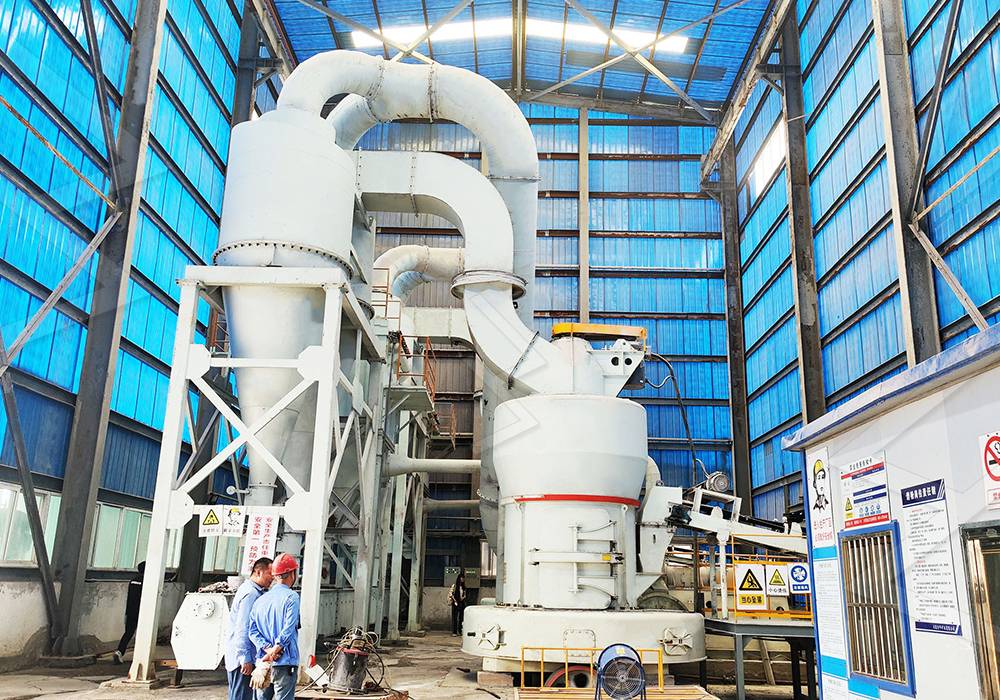
At our company, we offer advanced grinding solutions tailored for heavy-duty applications like steel mills. For instance, our MW Ultrafine Grinding Mill is an excellent choice for producing ultra-fine powders with inputs up to 20 mm and capacities ranging from 0.5 to 25 tph. It’s designed with higher yielding and lower energy consumption—up to 40% more efficient than jet mills—and features adjustable fineness between 325-2500 meshes. Plus, its eco-friendly design includes a pulse dust collector and muffler, reducing noise and dust pollution, which is crucial for steel plants adhering to strict environmental standards.
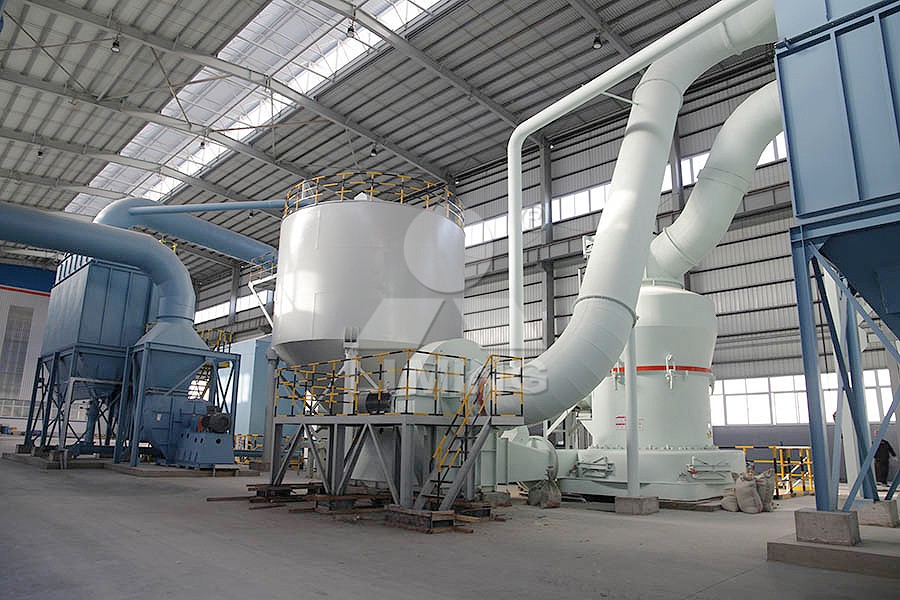
Another robust option is the LUM Ultrafine Vertical Grinding Mill, which handles input sizes up to 10 mm with capacities of 5-18 tph. It incorporates advanced roller and powder separating technologies for better quality output and energy savings of 30-50%. Its reversible structure simplifies maintenance, reducing downtime—a big cost saver in continuous operations like blast furnace support.
When evaluating costs, remember that upfront price is just part of the story. Factors like spare parts availability, operational efficiency, and longevity play huge roles. Our mills are built with digitalized processing for high precision and come with full technical support and original spare parts, ensuring worry-free operation. For a customized quote based on your steel mill’s specific needs, contact our team—we’ll help you find the most cost-effective solution without compromising on performance.
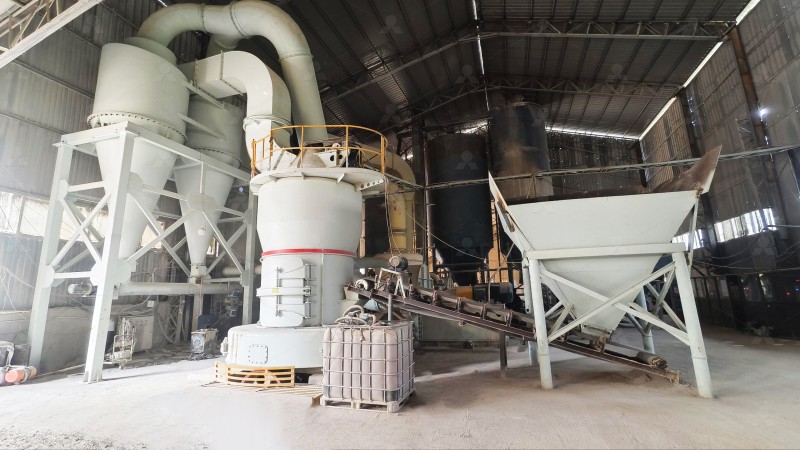
In summary, while a pulverizer for a steel mill blast furnace might represent a significant investment, choosing the right model from a reliable supplier can optimize your ROI through lower operating costs and enhanced productivity. Always consider the total lifecycle cost, not just the initial purchase price.