
How Much Does a Pebble Grinding Mill Machine Cost?
We provide a wide range of mills — including Raymond mill, trapezoidal mill, vertical mill, ultrafine mill, and ball mill, obtained ISO9001 international quality certification, EU CE certification, and Customs Union CU-TR certification. Suitable for processing minerals such as limestone, phosphate, quicklime, kaolin, talc, barite, bentonite, calcium carbonate, dolomite, coal, gypsum, clay, carbon black, slag, cement raw materials, cement clinker, and more.
The discharge range of these mills can be adjusted to meet specific processing needs, typically from 80-400 mesh, 600-3250 mesh, and can achieve the finest particle size of up to 6000 mesh(D50).
If you are looking for a reliable grinding solution to turn stone or minerals into fine powder, please feel free to contact our online customer service.
How Much Does a Pebble Grinding Mill Machine Cost?
If you’re in the market for a pebble grinding mill, the first question that likely comes to mind is, “How much is this going to cost me?” It’s a fair and crucial question, but the answer isn’t as simple as a single price tag. The cost of a pebble grinding mill is influenced by a complex interplay of factors, from the raw material properties and desired output to the specific technological features of the machine itself. Let’s break down the key cost drivers and explore what you should be looking for in a modern, efficient mill.
Key Factors That Determine the Final Price
Think of the purchase price as just the initial entry point. A truly cost-effective machine is judged by its Total Cost of Ownership (TCO), which includes long-term operational expenses.
- Capacity & Throughput: This is the most direct cost factor. A mill with a capacity of 0.5 tons per hour (tph) will naturally cost less than an industrial-grade unit processing 25 tph or more. You must match the machine’s capacity to your actual production needs to avoid overpaying for unused capability or underbuying and creating bottlenecks.
- Fineness Requirements: Grinding pebbles down to a coarse sand is one thing; producing ultra-fine powders (e.g., 2500 mesh) is another. Achieving higher fineness requires more sophisticated grinding mechanics, advanced internal classifiers, and often more power, all of which increase the machine’s complexity and cost.
- Technology & Features: The engineering behind the mill is where value is truly defined. Older designs like traditional Raymond mills or ball mills may have a lower upfront cost but often incur higher energy consumption and maintenance downtime. Modern mills incorporate features like advanced roller/ring geometries, efficient powder separators, and integrated dust collection, which command a higher initial investment but deliver dramatic savings over time.
- Energy Consumption: This is the silent budget killer. A mill that consumes 30-50% less power than a conventional model can save tens of thousands of dollars annually in electricity costs, quickly offsetting a higher purchase price.
- Operational & Maintenance Costs: Consider ease of maintenance, availability of spare parts, and wear resistance of grinding components. A mill designed for quick roller replacement or one that uses wear-resistant alloys will minimize production stoppages and part replacement costs.
Beyond the Price Tag: The Value of Modern Engineering
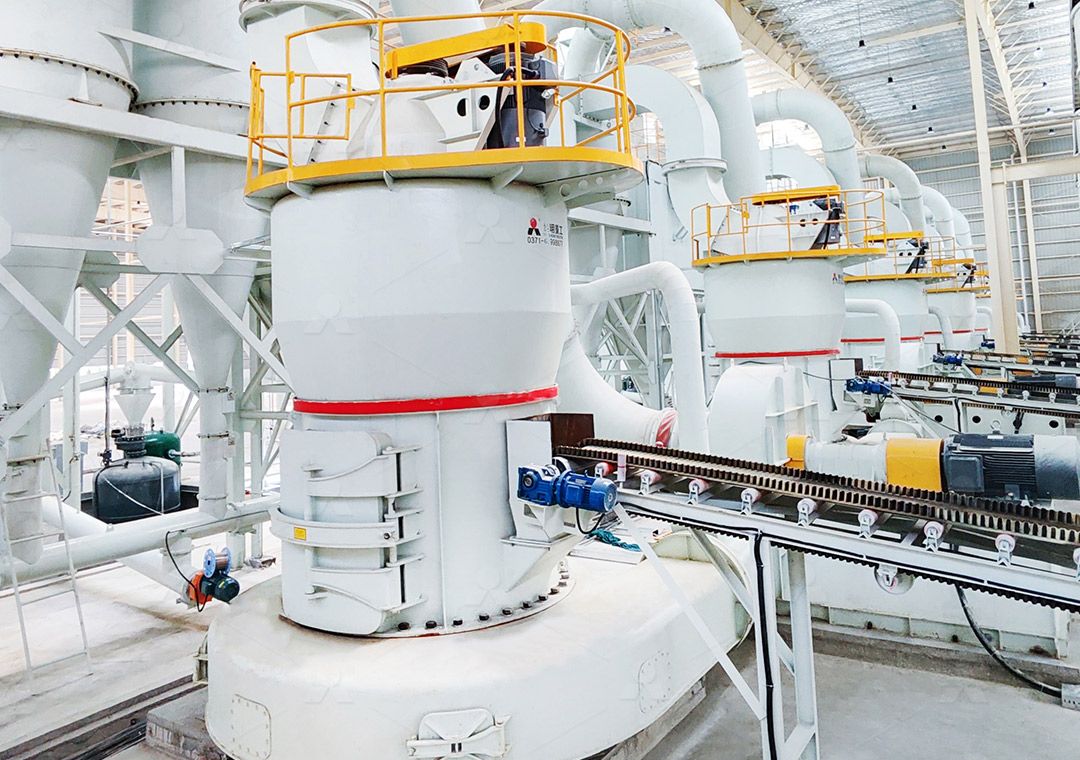
Today’s leading grinding mills are not just about crushing rock; they are integrated processing systems. When evaluating cost, look for designs that solve traditional pain points. For instance, mills that eliminate rolling bearings and screws inside the grinding chamber remove common failure points. Systems with pulse-jet dust collectors and silencers address environmental compliance costs from day one. Digitalized manufacturing ensures higher precision and reliability, reducing the risk of premature failure.
For operations focused on producing high-value, ultra-fine powders from materials like pebbles, calcite, or talc, specialized ultrafine grinding mills represent the pinnacle of this efficiency-driven design philosophy.
A Closer Look at a High-Value Solution: The MW Ultrafine Grinding Mill
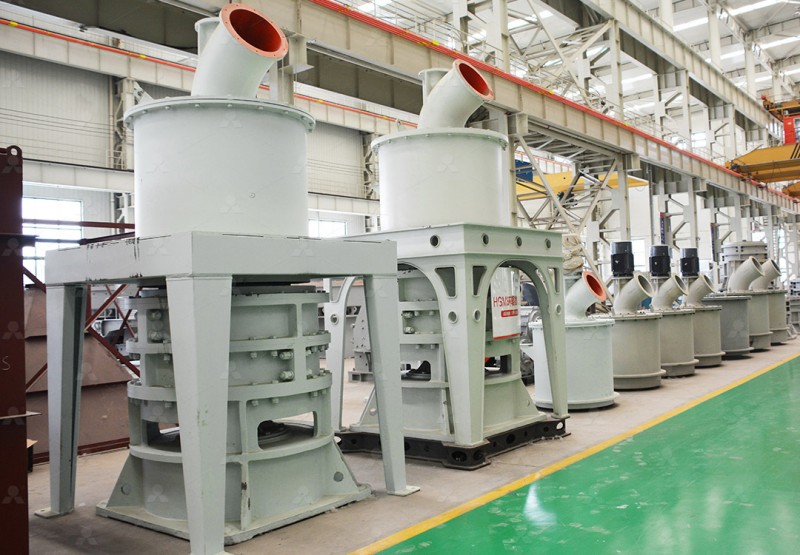
For buyers seeking exceptional fineness control and operational economy, the MW Ultrafine Grinding Mill stands out as a compelling investment. This machine is engineered for customers who need to make ultra-fine powder between 325 and 2500 meshes from materials with an input size of 0-20 mm, offering a capacity range of 0.5-25 tph.
Its cost-saving and value-adding features are directly tied to the factors discussed above:
- Higher Yielding, Lower Energy Consumption: Its newly designed grinding curves enhance efficiency, offering up to 40% higher capacity than jet mills and double the yield of ball mills, while using only about 30% of the energy of a jet mill. This directly attacks the largest operational cost: energy.
- Worry-Free Grinding Chamber: By having no rolling bearings or screws inside the chamber, it eliminates concerns about bearing seal damage or machine failure from loose screws. Maintenance is simplified, and unexpected downtime costs are drastically reduced.
- Eco-Friendly Operation: The integrated efficient pulse dust collector and muffler ensure the entire system meets environmental standards without requiring costly add-on filtration systems, keeping you compliant and reducing dust-related maintenance.
- Precision Fineness Adjustment: The German-technology cage-type powder selector allows precise control over product fineness, ensuring you get the exact product specification you pay for on the first pass, maximizing product value.
Another Robust Option: The LUM Ultrafine Vertical Grinding Mill
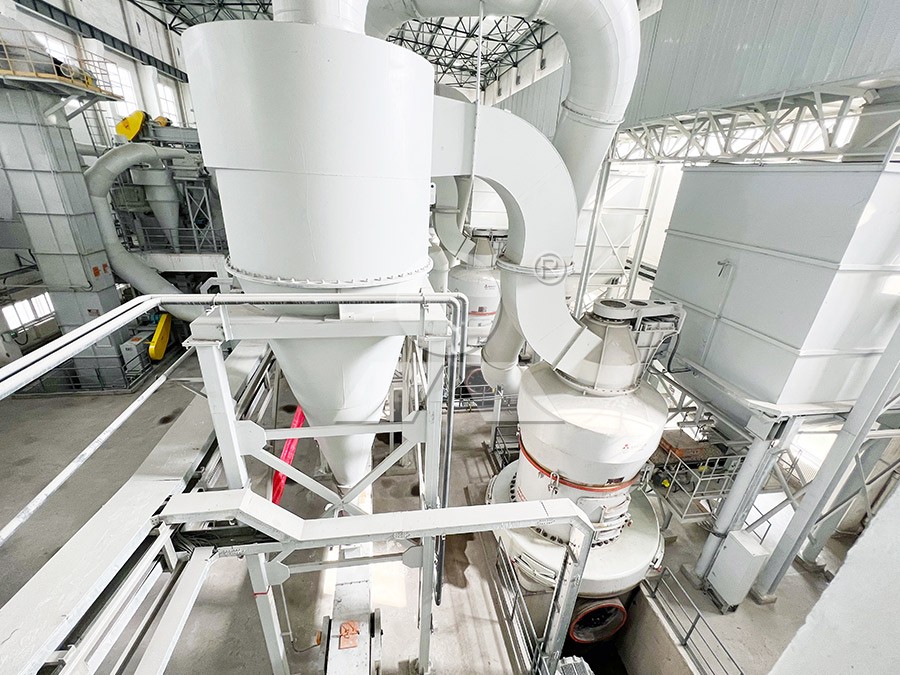
For projects requiring a different grinding approach, the LUM Ultrafine Vertical Grinding Mill is another technologically advanced choice. With an input size of 0-10 mm and capacity of 5-18 tph, it integrates ultrafine grinding, grading, and transporting. Its value proposition includes a unique roller shell design for higher yield and better product whiteness, and PLC-controlled multi-head powder separating technology that can reduce energy consumption by 30%-50%. A key feature for cost-conscious operations is its reversible structure, which allows grinding rollers to be easily moved out for maintenance, significantly reducing the time and labor cost associated with servicing.
Conclusion: Investing in Efficiency
So, how much does a pebble grinding mill cost? It could range from tens of thousands for a basic, small-capacity unit to several hundred thousand dollars for a high-capacity, technologically advanced system like the MW or LUM series. The most prudent approach is to move beyond the sticker price. Calculate the potential savings in energy, maintenance, and downtime that a modern, efficient mill offers. Request detailed quotations that outline not just the equipment cost, but also projected power consumption, recommended spare parts, and service plans. By focusing on Total Cost of Ownership and choosing a mill engineered for reliability and efficiency—such as the MW Ultrafine Grinding Mill for ultra-fine applications—you’re not just buying a machine; you’re investing in the long-term productivity and profitability of your operation.
Frequently Asked Questions (FAQ)
- What is the single biggest operational cost for a grinding mill?
Over its lifetime, energy consumption is almost always the largest ongoing expense. Investing in an energy-efficient mill (e.g., one that saves 30-50% on power) can lead to the fastest return on investment through reduced electricity bills. - Can one mill handle different materials and fineness levels?
Many modern mills, like the MW Ultrafine Grinding Mill, are designed for versatility. They can process a range of non-metallic minerals and offer adjustable fineness (e.g., 325-2500 mesh). However, optimal performance may require minor adjustments to parameters like classifier speed or grinding pressure when switching materials. - How important is the dust collection system?
Extremely important. An integrated, efficient system like a pulse dust collector is not just for environmental compliance. It protects worker health, prevents product loss, reduces cleanup costs, and minimizes wear on the mill’s internal components by maintaining a clean airflow. - What does “no rolling bearings in the grinding chamber” mean for me?
This design, featured in the MW Mill, dramatically increases reliability. It removes a primary failure point that is vulnerable to dust ingress and high temperatures. This translates to less unscheduled maintenance, lower spare parts costs, and higher overall equipment availability. - How do I choose between different mill types (e.g., Vertical vs. Trapezium)?
The choice depends on your specific needs: required fineness, capacity, moisture content of material, and floor space. Vertical mills (like LUM) often have a smaller footprint and integrate drying. Trapezium mills (like MTW) are renowned for stability and high efficiency for medium-fine grinding. Consulting with an application engineer who understands your material and goals is essential.