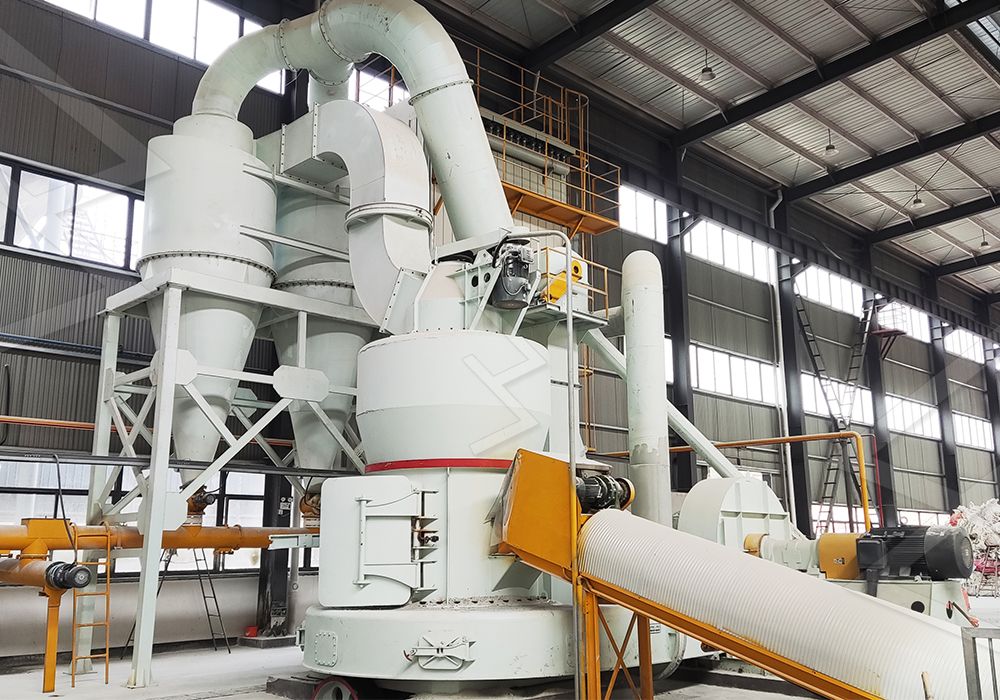
How Much Does a Limestone Grinding Mill Cost? – Price Guide 2024
We provide a wide range of mills — including Raymond mill, trapezoidal mill, vertical mill, ultrafine mill, and ball mill, obtained ISO9001 international quality certification, EU CE certification, and Customs Union CU-TR certification. Suitable for processing minerals such as limestone, phosphate, quicklime, kaolin, talc, barite, bentonite, calcium carbonate, dolomite, coal, gypsum, clay, carbon black, slag, cement raw materials, cement clinker, and more.
The discharge range of these mills can be adjusted to meet specific processing needs, typically from 80-400 mesh, 600-3250 mesh, and can achieve the finest particle size of up to 6000 mesh(D50).
If you are looking for a reliable grinding solution to turn stone or minerals into fine powder, please feel free to contact our online customer service.
How Much Does a Limestone Grinding Mill Cost? – Price Guide 2024
So, you’re in the market for a limestone grinding mill? Smart move. Limestone is a beast of a material—versatile, but it demands the right equipment to turn it into that high-value powder for everything from construction to cosmetics. But let’s cut to the chase: the number one question we get is, “How much is this gonna cost me?” The truth is, there’s no single price tag. A ballpark figure for a complete system can range from tens of thousands to well over a million dollars, depending on a whole host of factors. Let’s break it down so you can budget smarter.
Key Factors That Influence The Price
Don’t just look at the sticker price of the machine itself. The total investment is a combination of several things:
- Capacity & Output (tph): This is the big one. A mill that handles 5 tons per hour is a completely different (and less expensive) beast than one that processes 50 tph. Your production targets will dictate the size and, consequently, the cost of the mill you need.
- Fineness Requirements (Mesh Size): Need a coarse agricultural lime or a superfine powder for paint? Grinding to 325 mesh is standard, but if you require ultra-fine powders up to 2500 mesh, you’ll need more advanced (and costly) technology like an ultrafine grinding mill with a high-precision classifier.
- Technology & Features: Basic Raymond mills are a more budget-friendly entry point. However, modern vertical roller mills (VRMs) or ultrafine mills with advanced features like PLC control systems, efficient pulse dust collectors, and automatic lubrication offer far better energy efficiency, lower operating costs, and higher quality product, but they come at a higher initial investment.
- System Components: Remember, the mill is just the core. You also need to budget for the entire system: crushers, elevators, feeders, electrical controls, and, crucially, dust collection systems. This auxiliary equipment can add 30-50% to the total project cost.
- Brand & Quality: Established brands with proven reliability and extensive service networks might cost more upfront but save you a fortune in downtime and repair costs later. Don’t just go for the cheapest option; consider the total cost of ownership.
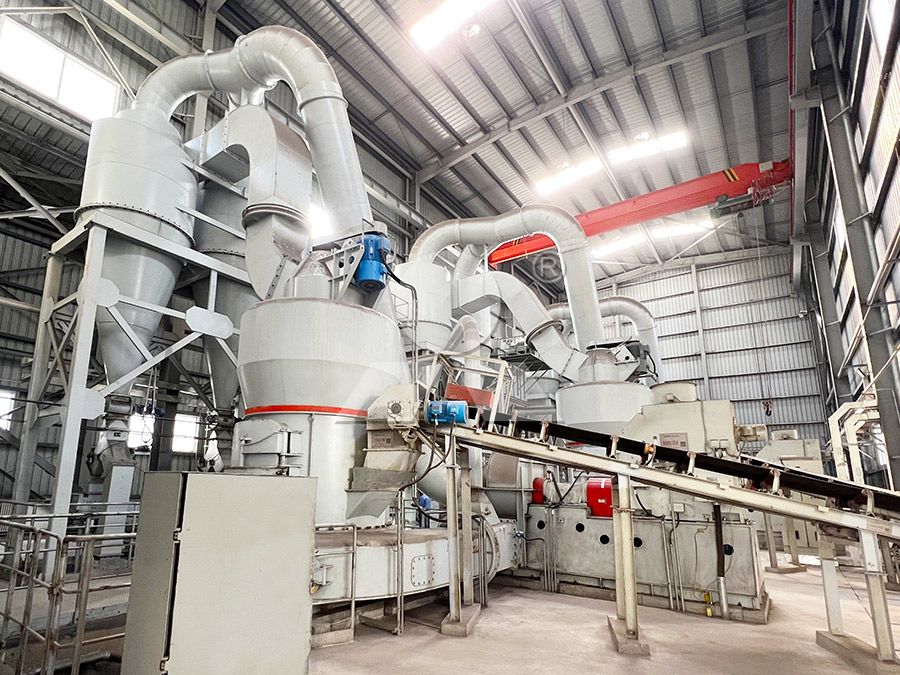
Operational Costs: The Hidden Part of the Equation
The purchase price is just the beginning. To understand the real cost, you gotta look at what it takes to run the thing day in and day out.
- Energy Consumption: This is your biggest ongoing expense. Older tech like ball mills are energy hogs. Modern mills like vertical roller mills can reduce energy consumption by 30-50%, paying for themselves over time through lower power bills.
- Wear Parts & Maintenance: Grinding limestone is abrasive. You will be replacing grinding rollers, rings, and liners. Look for mills designed with durable, wear-resistant alloys and features that make maintenance easy and fast to minimize downtime.
- Labor: Highly automated systems with central control rooms require far fewer operators than manual setups, significantly reducing long-term labor costs.
Finding The Right Mill For Your Needs & Budget
With so many options, it’s easy to get overwhelmed. For operations focused on high-capacity production of fine and ultra-fine limestone powder, we often point our customers towards our MW Ultrafine Grinding Mill. This workhorse is engineered for customers who need to make ultra-fine powder efficiently. It handles input sizes up to 20mm with a capacity range of 0.5-25 tph, making it super versatile.
Its key advantages for limestone include higher yielding with lower energy consumption (40% higher capacity than jet mills), an adjustable fineness between 325-2500 meshes thanks to its German-tech cage-type powder selector, and a design that’s built for reliability with no rolling bearings or screws in the grinding chamber to worry about. Plus, its efficient pulse dust collector makes operation eco-friendly—a must in today’s world.
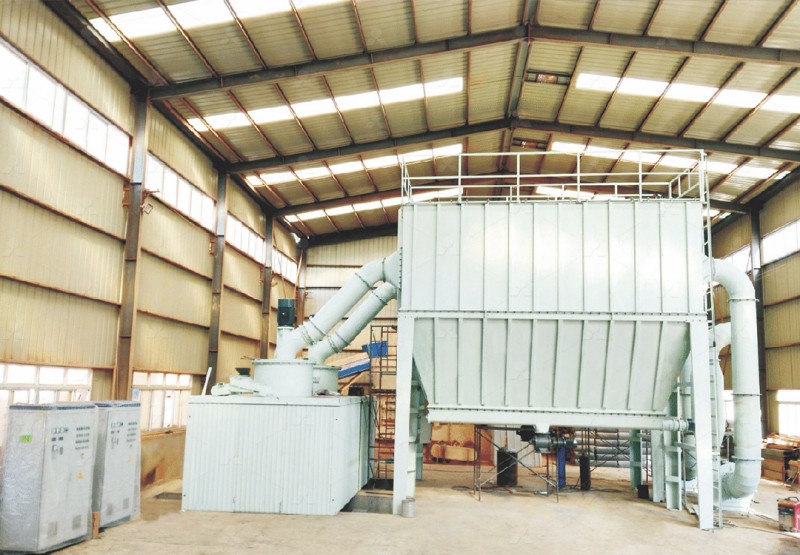
For another excellent option, particularly for slightly larger initial feed sizes, check out our LUM Ultrafine Vertical Grinding Mill. It combines ultra-fine grinding, grading, and transporting in a single, compact unit. It features more energy-saving multi-head powder separating technology and a reversible structure that makes maintenance and checking roller shells a breeze, drastically cutting down on service time.
Getting an Accurate Quote
The bottom line? The only way to get a real, accurate cost is to talk to an expert. Be prepared to discuss your specific material, desired output size, capacity goals, and site conditions. A reputable supplier will help you model the entire process and provide a detailed quote for a complete, turnkey system that meets your needs without blowing your budget. Do your homework, focus on total cost of ownership, and you’ll make an investment that pays off for years to come.