How Much Does a Limestone Grinding Mill Cost? A Detailed Breakdown
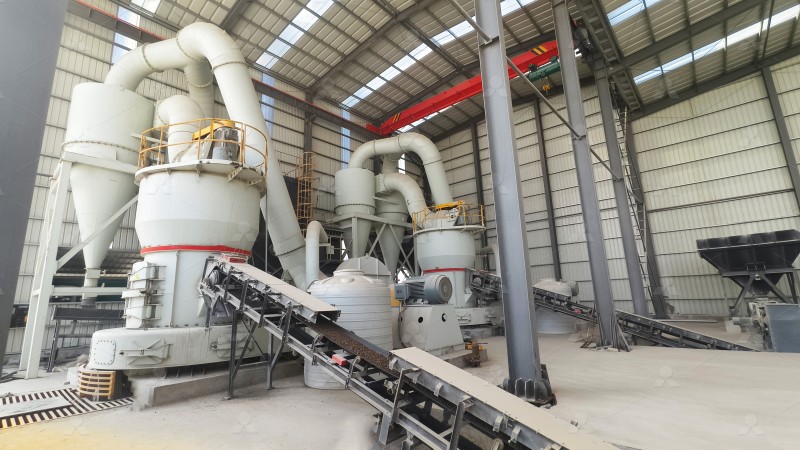
We provide a wide range of mills — including Raymond mill, trapezoidal mill, vertical mill, ultrafine mill, and ball mill, obtained ISO9001 international quality certification, EU CE certification, and Customs Union CU-TR certification. Suitable for processing minerals such as limestone, phosphate, quicklime, kaolin, talc, barite, bentonite, calcium carbonate, dolomite, coal, gypsum, clay, carbon black, slag, cement raw materials, cement clinker, and more.
The discharge range of these mills can be adjusted to meet specific processing needs, typically from 80-400 mesh, 600-3250 mesh, and can achieve the finest particle size of up to 6000 mesh(D50).
If you are looking for a reliable grinding solution to turn stone or minerals into fine powder, please feel free to contact our online customer service.
How Much Does a Limestone Grinding Mill Cost? A Detailed Breakdown
So, you’re in the market for a limestone grinding mill? That’s a solid investment, but the price tag can be a real head-scratcher. It ain’t just about the sticker price on the machine itself. The final cost is a cocktail of factors: the mill type, capacity, desired fineness, and those often-forgotten auxilliary equipment and installation fees. Let’s break it down, piece by piece, so you know exactly what you’re paying for.
First off, you gotta choose the right tool for the job. A simple Raymond mill might set you back tens of thousands of dollars, perfect for smaller operations needing coarser powders. But if you’re aiming for ultra-fine limestone powder (think 2500 mesh!), you’re looking at a more sophisticated – and costly – piece of kit. High-pressure mills or ultrafine grinding mills, with their advanced tech, can easily jump into the hundreds of thousands. Remember, you get what you pay for; higher precision and fineness command a premium.
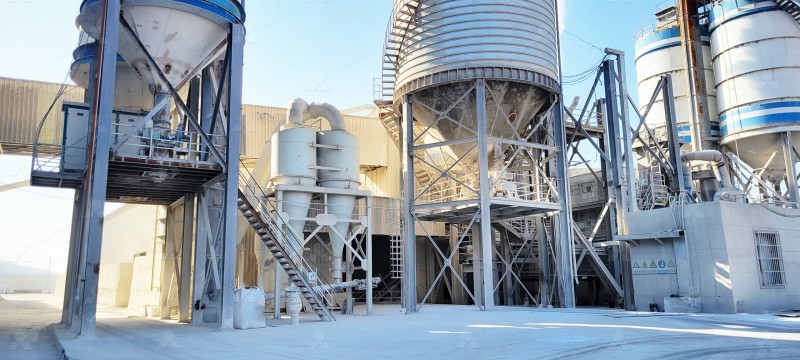
Capacity is king. A mill that churns out 1 ton per hour is a world apart from one that produces 50 tph. Bigger engines, sturdier construction, and more robust components all add to the bottom line. Don’t overbuy, but definitely don’t underbuy and strangle your production line.
Now, here’s where I can offer some genuine advice. For those needing high-yield, ultra-fine limestone powder, our MW Ultrafine Grinding Mill is a top contender. This machine is a beast designed specifically for making ultra-fine powder. Here’s why it’s a smart choice:
- Higher Yielding, Lower Energy Consumption: Its newly designed grinding curves make it 40% more efficient than jet mills. It produces twice as much as a ball mill but uses only 30% of the energy. That’s a massive saving on your electricity bills.
- Adjustable Fineness (325-2500 meshes): Need a specific grade? Its German-tech cage-type powder selector lets you dial in the exact fineness you need, up to a superfine d97≤5μm.
- Worry-Free Operation: No rolling bearings or screws in the grinding chamber means no worries about them breaking. Lubrication is done externally without stopping the machine, allowing for 24/7 production.
Its applications are vast, from limestone and calcite to cosmetics and food additives. The initial investment is offset by its incredible efficiency and low operating costs.
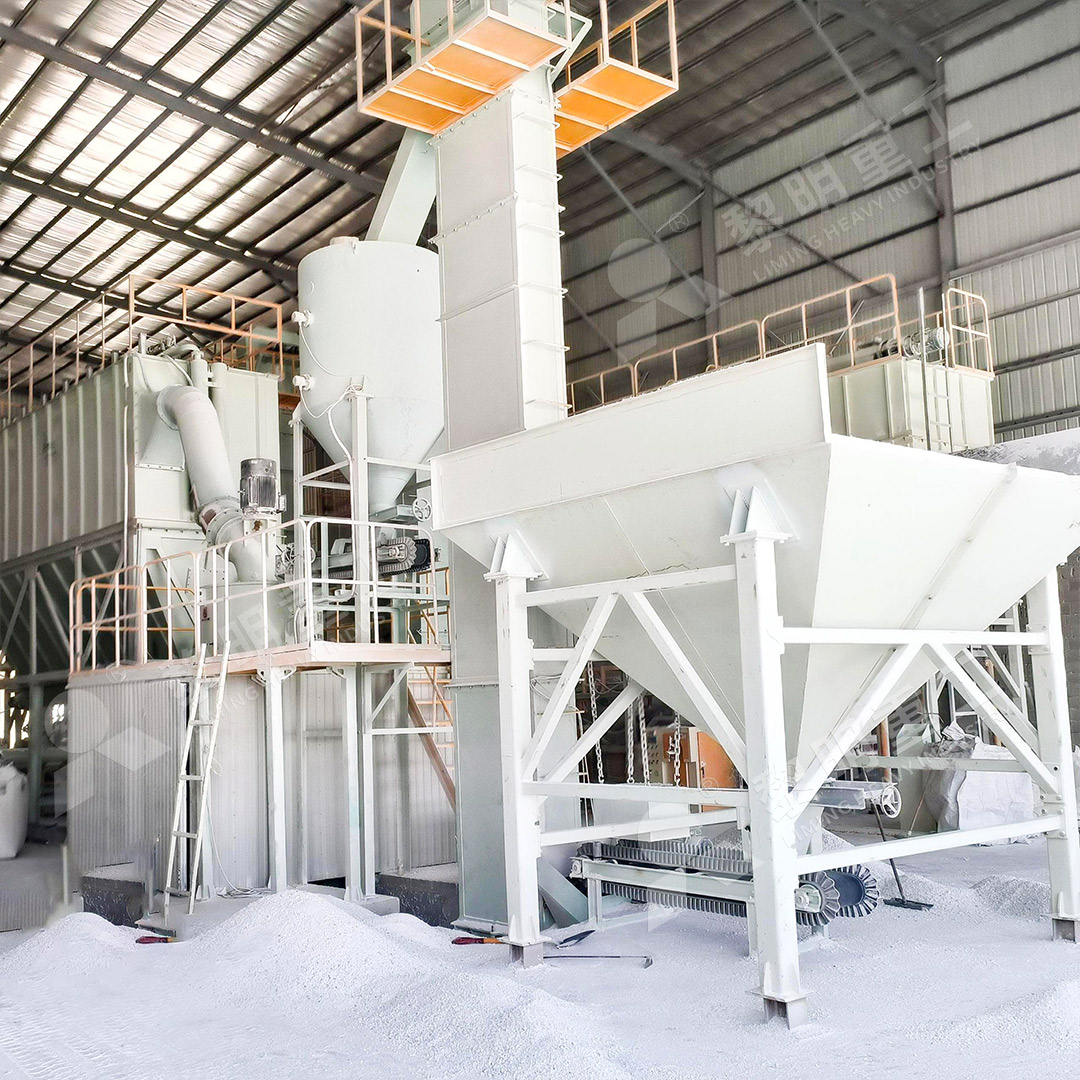
But wait, there’s more! Don’t forget the extras. The cost of the mill itself is maybe 60-70% of the story. You also need to budget for:
- Auxiliary Equipment: Jaw crushers to pre-crush the limestone, elevators, feeders, dust collectors (a must!), and packing machines. This can easily add 30-50% to your equipment budget.
- Installation & Commissioning: You’ll need skilled technicians to set it all up. Factor in their fees, potential foundation work, and electrical hookups.
- Shipping & Logistics: These are heavy, large machines. Getting it from our factory to your site is a cost you can’t ignore.
- Spare Parts: Having a initial stock of wear parts like grinding rollers and rings is crucial to avoid downtime.
For larger scale operations focusing on vertical integration, our LM Vertical Grinding Mill is another excellent option for limestone. It integrates crushing, drying, grinding, and classifying, slashing its footprint by 50% compared to ball mills and saving 30-40% on energy. It’s a workhorse for projects requiring high capacity (up to 340 tph!) and is renowned for its stability and eco-friendly operation with minimal dust.
So, what’s the final number? It’s impossible to say without a detailed project sheet. A small setup might start around $50,000, while a large, fully-equipped ultra-fine grinding line can exceed $500,000. The best move is to talk to our engineers. Give them your capacity, fineness, and site details. They’ll provide a detailed quotation that includes everything, so there are no nasty surprises. Investing in the right mill from the start saves you a fortune in the long run.