
How Much Does a Gold Milling Machine Cost in Zimbabwe?
We provide a wide range of mills — including Raymond mill, trapezoidal mill, vertical mill, ultrafine mill, and ball mill, obtained ISO9001 international quality certification, EU CE certification, and Customs Union CU-TR certification. Suitable for processing minerals such as limestone, phosphate, quicklime, kaolin, talc, barite, bentonite, calcium carbonate, dolomite, coal, gypsum, clay, carbon black, slag, cement raw materials, cement clinker, and more.
The discharge range of these mills can be adjusted to meet specific processing needs, typically from 80-400 mesh, 600-3250 mesh, and can achieve the finest particle size of up to 6000 mesh(D50).
If you are looking for a reliable grinding solution to turn stone or minerals into fine powder, please feel free to contact our online customer service.
How Much Does a Gold Milling Machine Cost in Zimbabwe?
For mining operations and investors in Zimbabwe’s lucrative gold sector, the question of milling machine costs is paramount. The answer, however, is not a simple figure. The price of a gold milling machine is influenced by a complex interplay of factors including machine type, capacity, technological features, and the current economic landscape. This article provides a detailed breakdown to help you navigate this critical investment.
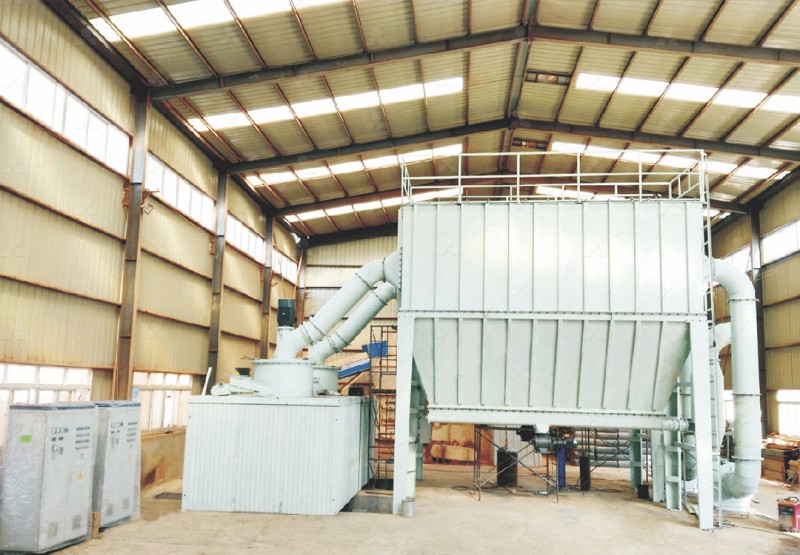
A small-scale, basic hammer mill or traditional ball mill might start from a few thousand US dollars. These are suitable for very small operations but often lack efficiency and produce lower recovery rates. For medium to large-scale operations requiring higher throughput and finer grinding for optimal gold liberation, prices escalate significantly. Advanced grinding mills, which integrate crushing, grinding, classification, and conveying, can range from tens of thousands to several hundred thousand dollars. This investment is justified by dramatically higher yields, lower energy consumption per ton, and superior recovery rates, leading to a faster return on investment.
Key Factors Influencing the Cost
- Capacity (TPH): The throughput capacity (tons per hour) is a primary cost driver. A 1 TPH unit is vastly different in price from a 50 TPH plant.
- Technology & Efficiency: Machines with advanced features like high-precision classifiers, efficient dust collection, and automated controls command a higher price but offer substantial long-term savings on power and wear parts.
- Source & Logistics: Importing machinery involves shipping costs, customs duties, and taxes, which can add a significant percentage to the base price. Local availability of parts and service is another critical consideration.
- Installation & Commissioning: Factor in the cost of foundation construction, electrical work, and professional installation by technicians.
Recommended Solutions for Zimbabwean Operations
Selecting the right equipment is crucial for profitability. For operations focused on achieving ultra-fine grinding to maximize gold recovery from complex ores, the MW Ultrafine Grinding Mill is an exceptional choice. Engineered for customers requiring ultra-fine powder, this mill is a standout. It handles an input size of 0-20mm with a capacity ranging from 0.5 to 25 TPH. Its cage-type powder selector, leveraging German technology, allows precise fineness adjustment between 325-2500 meshes, ensuring optimal liberation of gold particles. A significant advantage for remote locations is its design: there are no rolling bearings or screws in the grinding chamber, eliminating common failure points and simplifying maintenance. Furthermore, its integrated pulse dust collector and muffler ensure eco-friendly operation, keeping dust and noise pollution to a minimum.
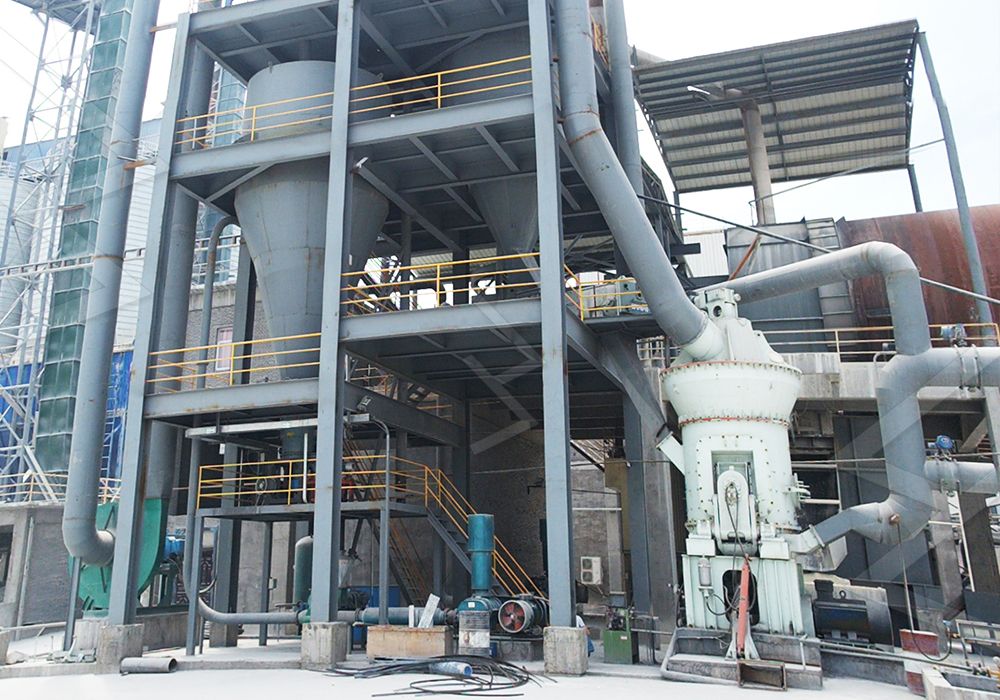
For another robust and efficient option, consider the LUM Ultrafine Vertical Grinding Mill. This mill integrates grinding, grading, and transporting into a single, compact unit. With an input size of 0-10mm and a capacity of 5-18 TPH, it is renowned for its energy efficiency, reducing consumption by 30%-50% compared to traditional mills. Its unique roller shell and lining plate grinding curve promote easier material layer formation and higher quality finished products. A key feature for ensuring operational continuity is its double position-limiting technology, which protects the mill from destructive vibrations and shocks, a vital consideration for maintaining stable production.
Beyond the Purchase Price: Total Cost of Ownership
The smartest investors look beyond the initial sticker price. A cheaper, less efficient mill will have higher operating costs—electricity consumption is a major expense in milling. Wear part consumption and maintenance downtime also erode profits. Investing in a technologically advanced mill from a reputable manufacturer like LIMING, which offers original spare parts and technical support, ensures worry-free operation and protects your investment long-term. This support network is invaluable for keeping your operation running smoothly and profitably.
Frequently Asked Questions (FAQ)
What is the typical price range for a gold milling machine in Zimbabwe?
Prices can range from a few thousand USD for basic, small-scale hammer mills to over $200,000 for large, high-capacity, advanced grinding mills like the MW or LUM series. The final cost depends entirely on capacity, technology, and configuration.
Are there any additional costs beyond the machine itself?
Yes. Significant additional costs include shipping and import duties, civil works for foundations, electrical installation, and commissioning services. Always budget for these to avoid surprises.
Why should I consider a more expensive ultrafine grinding mill?
Ultrafine mills like the MW Series provide superior grind fineness, which directly translates to higher gold recovery rates from the ore. This increased yield quickly offsets the higher initial investment through greater profit on each ton of ore processed.
How important is after-sales service and parts availability?
Extremely important. A breakdown without access to genuine spare parts or technical expertise can halt production for weeks, costing significant revenue. Choosing a supplier with a strong support commitment is critical for operational reliability.
Can these mills process other materials besides gold ore?
Absolutely. Mills like the MW and LUM are versatile and can process a wide range of non-metallic minerals including limestone, barite, calcite, and talc, providing flexibility for your operation.