
How Much Does a Feldspar Grinding Mill Machine Cost?
We provide a wide range of mills — including Raymond mill, trapezoidal mill, vertical mill, ultrafine mill, and ball mill, obtained ISO9001 international quality certification, EU CE certification, and Customs Union CU-TR certification. Suitable for processing minerals such as limestone, phosphate, quicklime, kaolin, talc, barite, bentonite, calcium carbonate, dolomite, coal, gypsum, clay, carbon black, slag, cement raw materials, cement clinker, and more.
The discharge range of these mills can be adjusted to meet specific processing needs, typically from 80-400 mesh, 600-3250 mesh, and can achieve the finest particle size of up to 6000 mesh(D50).
If you are looking for a reliable grinding solution to turn stone or minerals into fine powder, please feel free to contact our online customer service.
How Much Does a Feldspar Grinding Mill Machine Cost?
As a project manager or procurement specialist in the ceramics, glass, or filler industries, you’ve likely asked this question. The answer, frustratingly, is not a simple number. The cost of a feldspar grinding mill is a complex equation influenced by far more than just the initial price tag. It’s a calculation that must factor in production goals, material characteristics, operational efficiency, and long-term reliability. This article will guide you through the key variables that determine the final investment and highlight how selecting the right technology from the start can optimize your total cost of ownership.
Understanding the Cost Variables: Beyond the Sticker Price
The quoted price for a grinding mill is just the beginning. A holistic cost assessment must consider several interconnected factors:
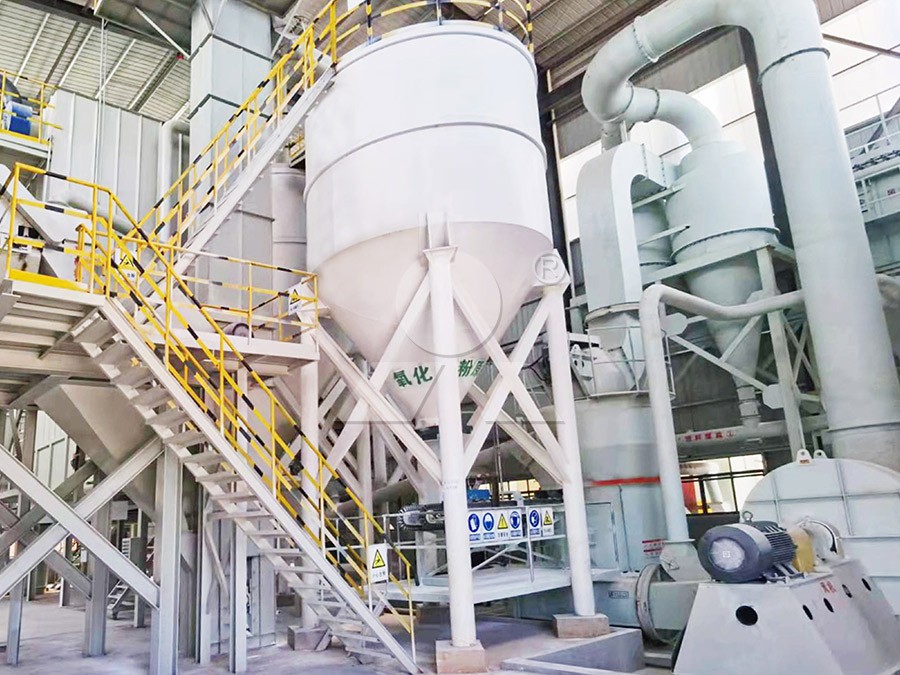
- Production Capacity & Fineness: Are you aiming for 3 tons per hour of 200-mesh powder or 15 tons per hour of 800-mesh ultra-fine powder? Machines are engineered for specific throughput and fineness ranges (e.g., 325-2500 meshes). A mill sized too small becomes a bottleneck; one too large wastes capital and energy.
- Total System Requirements: A grinding circuit is rarely just a mill. Costs can include auxiliary equipment like jaw crushers for primary size reduction, elevators, vibrating feeders, pulse dust collectors, silos, and packing systems. The mill’s design can significantly impact the complexity and cost of this ancillary equipment.
- Energy Consumption: This is the dominant operational expense. Over a 5-10 year lifespan, electricity costs can dwarf the initial machine investment. Mills with advanced grinding mechanics and efficient classifiers can offer savings of 30-50% compared to older designs.
- Wear Part Longevity & Maintenance: The abrasiveness of feldspar demands robust grinding elements. The frequency and cost of replacing rollers, rings, or liners, along with the ease of performing maintenance, directly affect downtime and long-term operating costs.
- Environmental & Space Footprint: Modern installations must comply with strict dust and noise regulations. Integrated, efficient dust collection systems add cost but are non-negotiable. Furthermore, a compact mill design can reduce factory floor space requirements, indirectly lowering construction costs.
Technology Match: Choosing the Right Mill for Feldspar
Feldspar’s moderate hardness and requirement for high whiteness and purity make certain mill technologies more suitable and cost-effective than others. While traditional Raymond mills or ball mills are common, newer vertical roller mills and advanced trapezium mills offer compelling advantages for modern, high-volume operations.
For operations prioritizing ultra-fine powders (above 800 mesh) with exceptional whiteness, the MW Ultrafine Grinding Mill presents a specialized solution. Engineered for customers needing to make ultra-fine powder, it addresses key cost drivers intelligently. Its design features a cage-type powder selector for precise fineness adjustment between 325-2500 meshes. Crucially, its grinding chamber eliminates rolling bearings and screws, removing common failure points and enabling worry-free, continuous 24-hour operation. With a reported production capacity 40% higher than jet mills and energy consumption only 30% of such systems for the same output, the MW series directly targets lower operating costs. Its integrated efficient pulse dust collector and muffler ensure the production meets environmental standards without additional, costly retrofitting.
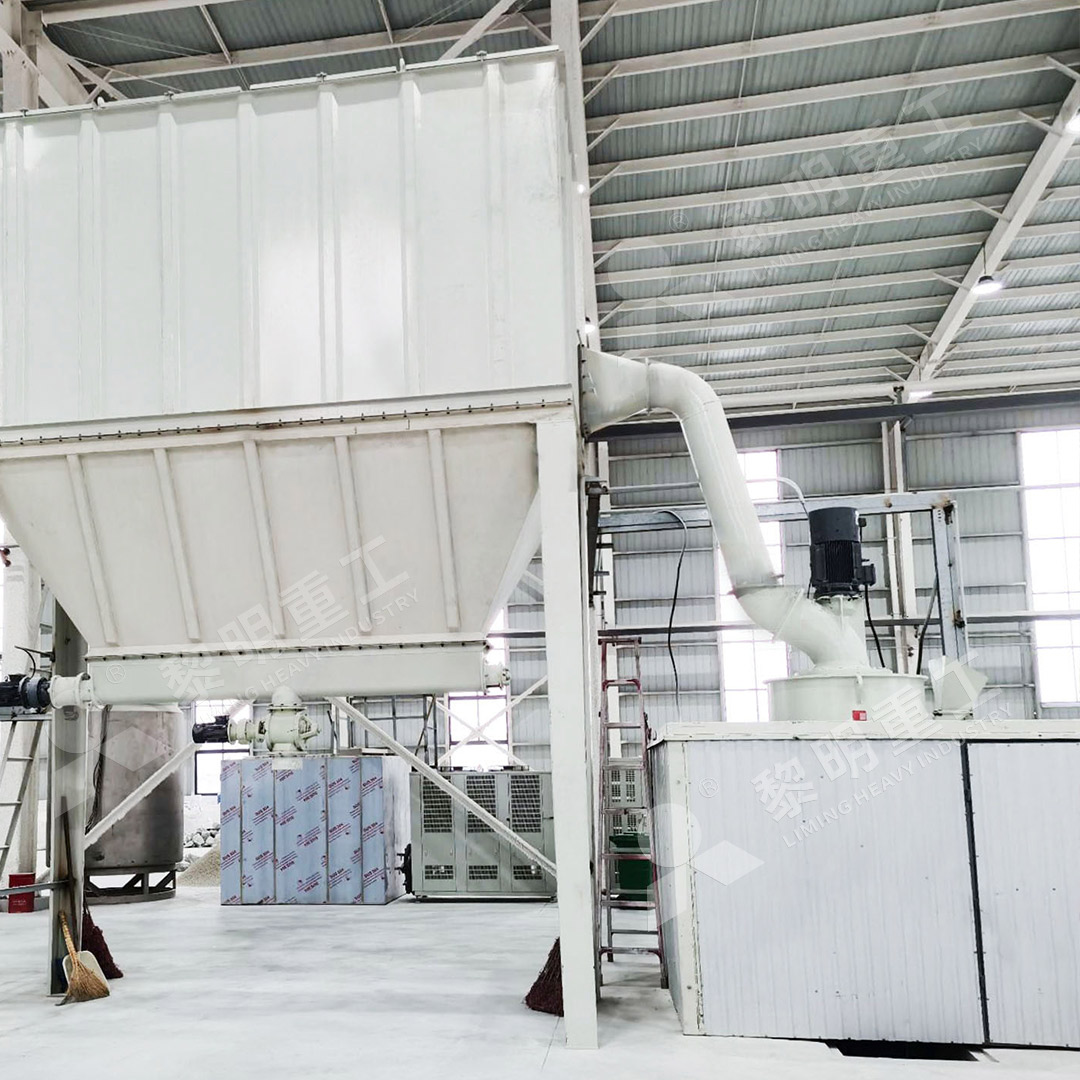
For high-capacity production of fine to ultra-fine feldspar powder, the LUM Ultrafine Vertical Grinding Mill is another premier choice. It integrates grinding, grading, and transporting into a single, space-saving unit. Its core cost-saving innovations include a unique roller and lining plate curve that promotes efficient material layer formation for higher yield and better product whiteness. The multi-head powder separating technology, controlled by a PLC system, allows precise cut-point control and can reduce energy consumption by 30%-50% compared to common grinding mills. Furthermore, its reversible structure with a hydraulic system allows grinding rollers to be easily moved out for maintenance, drastically reducing downtime and associated losses—a critical factor in total cost calculations.
The Real Cost: Total Cost of Ownership (TCO)
Therefore, the most insightful question shifts from “What is the price?” to “What is the Total Cost of Ownership?” TCO encompasses:
- Capital Expenditure (CAPEX): Initial purchase, shipping, installation, and commissioning.
- Operational Expenditure (OPEX): Energy, wear parts, routine maintenance labor, and consumables.
- Downtime Costs: Lost production revenue during maintenance or unexpected breakdowns.
- Quality & Efficiency Value: Higher yield, consistent fineness, and superior product whiteness can command better market prices and reduce waste.
A mill with a slightly higher initial price but 40% lower energy use, 50% longer wear part life, and quick-maintenance features will almost always have a lower TCO over a 5-year period than a cheaper, less efficient alternative.
Conclusion: An Investment in Precision and Efficiency
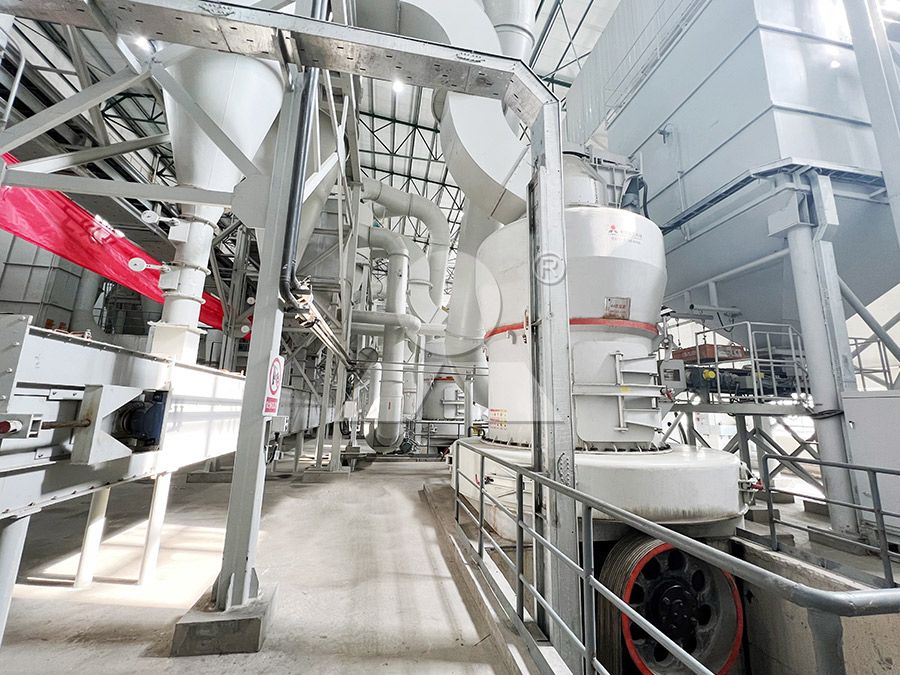
The cost of a feldspar grinding mill is an investment in your production’s future efficiency and profitability. By focusing on the technology that best matches your target fineness and capacity while prioritizing energy efficiency, low maintenance, and system reliability, you make a strategic decision that minimizes lifetime costs. Advanced mills like the MW Ultrafine Grinding Mill for specialized ultra-fine applications or the high-efficiency LUM Ultrafine Vertical Grinding Mill for large-scale production are designed with this exact TCO philosophy in mind. The goal is not to find the cheapest machine, but the most cost-effective partner for transforming raw feldspar into high-value powder for years to come.
Frequently Asked Questions (FAQs)
- What is the typical price range for a feldspar grinding mill?
Prices vary widely from tens of thousands to several hundred thousand dollars, depending on capacity, fineness, and technology level. A small Raymond mill may start lower, while a fully automated, high-capacity vertical roller mill system represents a larger, more productive investment. Request a detailed quotation based on your specific project parameters. - Which mill type is most energy-efficient for grinding feldspar to 800 mesh?
Modern vertical roller mills (like the LUM series) and advanced ultra-fine mills (like the MW series) are typically the most energy-efficient choices for fine and ultra-fine grinding. They employ multi-head classifiers and optimized grinding mechanics that can reduce energy consumption by 30-50% compared to traditional ball mills or older Raymond mill designs for similar output. - How often do wear parts need replacement, and what is the cost impact?
Replacement intervals depend on feldspar abrasiveness, operating hours, and mill design. Robust mills using special alloy rollers/rings can last thousands of hours. Choosing a mill with easily accessible and replaceable wear parts (e.g., a reversible roller design) minimizes downtime cost, which is often more significant than the part cost itself. - Can one mill handle different mineral powders, like switching from feldspar to quartz?
Many mills are versatile, but adjustments may be needed. The key is the mill’s flexibility in grinding pressure and classifier speed. Mills with PLC control and hydraulic systems (features found in the LUM and MW series) allow easy parameter adjustments to optimally handle materials of different hardness and density, making them excellent for multi-mineral processing plants. - Is a dust collection system included in the mill price?
This varies by supplier and package. Often, an efficient pulse jet dust collector is recommended or offered as an integral part of the grinding system to ensure environmental compliance. It’s essential to clarify what is included in the “complete system” quote to avoid unexpected ancillary costs.