
How Much Does a Desulfurization Mill Cost for Power Plants?
We provide a wide range of mills — including Raymond mill, trapezoidal mill, vertical mill, ultrafine mill, and ball mill, obtained ISO9001 international quality certification, EU CE certification, and Customs Union CU-TR certification. Suitable for processing minerals such as limestone, phosphate, quicklime, kaolin, talc, barite, bentonite, calcium carbonate, dolomite, coal, gypsum, clay, carbon black, slag, cement raw materials, cement clinker, and more.
The discharge range of these mills can be adjusted to meet specific processing needs, typically from 80-400 mesh, 600-3250 mesh, and can achieve the finest particle size of up to 6000 mesh(D50).
If you are looking for a reliable grinding solution to turn stone or minerals into fine powder, please feel free to contact our online customer service.
How Much Does a Desulfurization Mill Cost for Power Plants?
For power plant operators and project managers, the question of capital expenditure for flue gas desulfurization (FGD) systems is paramount. A critical component of this system is the grinding mill, responsible for producing the fine limestone powder (sorbent) essential for efficient sulfur dioxide removal. The cost of a desulfurization mill is not a single figure but a complex equation influenced by multiple factors. This article breaks down these cost drivers and explores how selecting the right technology can optimize your total investment.
Key Factors Influencing Mill Cost
The price tag of a grinding mill for power plant desulfurization is shaped by a combination of technical specifications, operational requirements, and long-term value considerations.
1. Capacity and Throughput Requirements
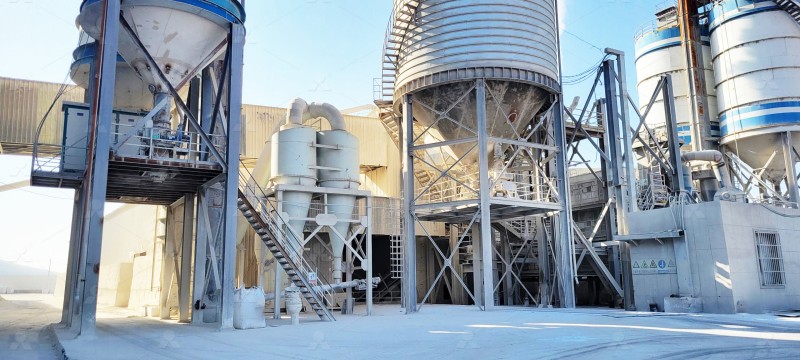
The required production capacity, measured in tons per hour (tph), is the primary cost driver. A mill designed for a 500 MW plant will have a significantly higher base cost than one for a 100 MW facility. It’s crucial to accurately calculate the sorbent demand based on coal sulfur content and targeted removal efficiency. Oversizing leads to unnecessary capital outlay, while undersizing compromises environmental compliance.
2. Technological Configuration and Efficiency
The choice of mill technology directly impacts both the initial purchase price and the lifetime operating cost. Traditional technologies like ball mills may have a lower upfront cost but suffer from higher energy consumption (up to 40-50% more) and greater wear part replacement frequency. Modern vertical roller mills and advanced trapezium mills command a higher initial investment but deliver substantial savings through drastically reduced power consumption, lower maintenance downtime, and superior grinding efficiency, offering a faster return on investment.
3. Material Fineness and Product Quality
Desulfurization efficiency is highly dependent on sorbent fineness and particle size distribution. Mills capable of producing a consistent, ultra-fine powder (typically 325-2500 mesh) with high whiteness and low iron contamination ensure optimal reaction kinetics in the absorber tower. Advanced powder separating systems, like the cage-type selector, add to the cost but are critical for achieving the required d97≤5μm fineness in a single pass, reducing recirculation load and improving system throughput.
4. Auxiliary Systems and Environmental Controls
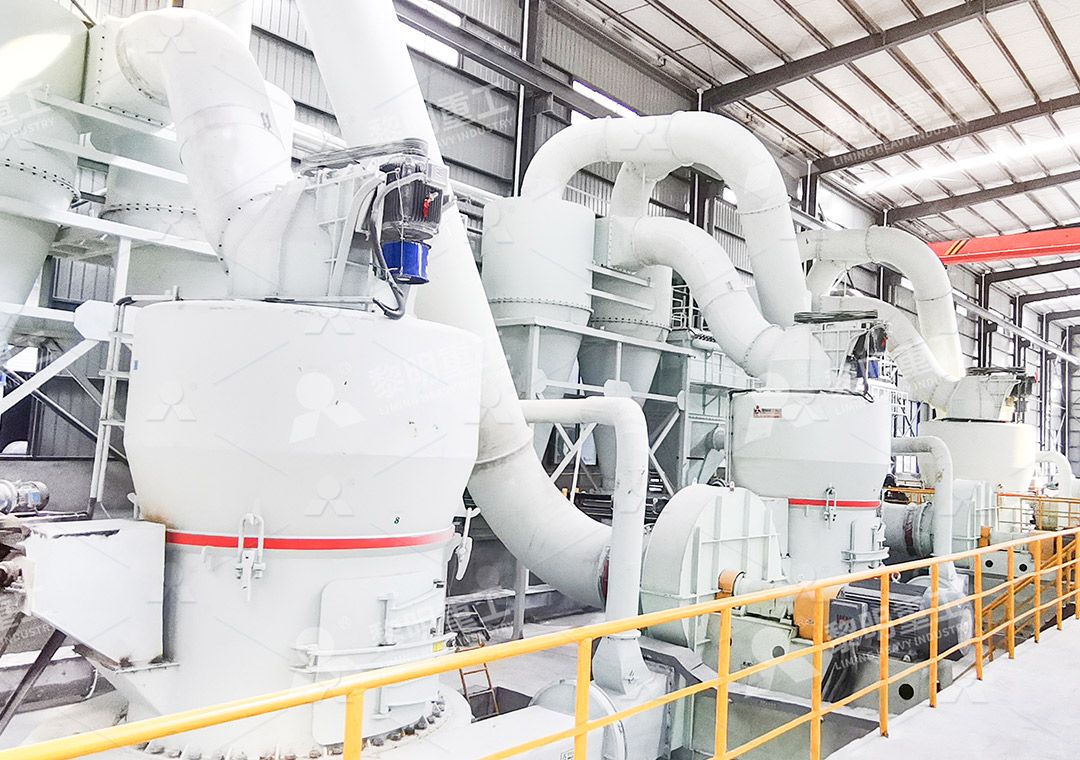
The complete milling system extends beyond the grinding chamber. Integrated components such as high-efficiency pulse jet dust collectors, mufflers, noise elimination rooms, automated PLC control systems, and advanced hydraulic systems contribute to the total cost. Investing in these integrated eco-friendly features is non-negotiable for modern plants to meet stringent emission standards for both noise and dust, avoiding future regulatory penalties.
Beyond Purchase Price: The Total Cost of Ownership (TCO)
A savvy procurement decision looks beyond the invoice. The Total Cost of Ownership encompasses:
- Energy Consumption: This is the largest operational expense. A mill that saves 30-50% on power can pay back its premium price within a few years.
- Maintenance & Spare Parts: Designs that facilitate easy access for maintenance, use durable wear-resistant alloys, and offer reliable local spare parts support minimize downtime costs.
- Operational Stability & Safety: Features like double position-limiting technology and external lubrication systems prevent catastrophic failures and enable 24/7 continuous operation.
- Footprint & Installation: Compact, vertically integrated mills reduce civil engineering and building costs.
Strategic Technology Recommendation: The LM Vertical Grinding Mill
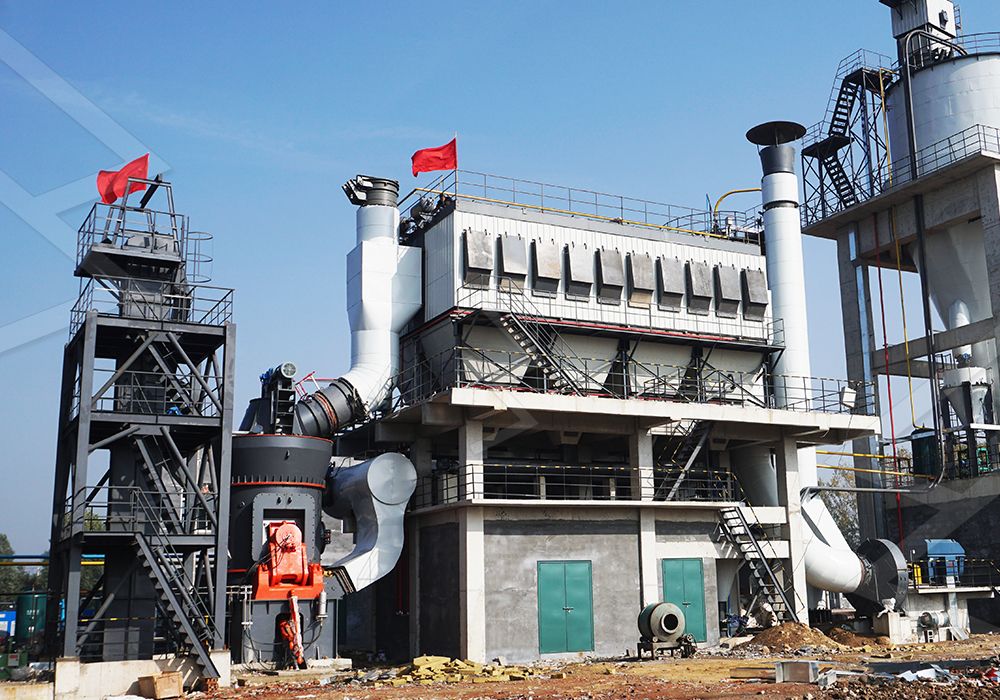
For power plant desulfurization applications balancing high capacity, operational economy, and proven reliability, the LM Vertical Grinding Mill stands out as an exemplary solution. Specifically engineered for non-metallic minerals and pulverized coal, it integrates crushing, drying, grinding, classifying, and conveying into a single, compact unit.
Its advantages directly address key cost concerns: it reduces the occupied area by approximately 50% compared to a ball mill system and saves 30%-40% in energy consumption. The short material lingering time minimizes repeated grinding and ensures low iron content in the final product, which is crucial for sorbent reactivity. Furthermore, its fully sealed negative-pressure operation and expert-level automatic control system guarantee an environmentally clean and labor-saving process, keeping long-term operational costs predictable and low.
Conclusion: An Investment in Performance and Compliance
Ultimately, the cost of a desulfurization mill is an investment in the plant’s operational efficiency, environmental compliance, and financial bottom line. While initial quotes may vary, the most economical choice is invariably the technology that delivers the lowest Total Cost of Ownership. By prioritizing energy efficiency, operational stability, minimal maintenance, and guaranteed product quality, power plants can secure not just a piece of equipment, but a reliable partner in meeting clean air mandates for decades to come. Engaging with a manufacturer that provides comprehensive technical support and genuine spare parts is the final, critical step in ensuring a worry-free operation.
Frequently Asked Questions (FAQs)
1. What is the typical price range for a desulfurization mill?
There is no universal “typical” price, as it varies widely from several hundred thousand to millions of dollars based on capacity (e.g., 5 tph vs. 50 tph), technology level, and system complexity. A detailed technical proposal from a manufacturer based on your specific requirements is essential for an accurate quotation.
2. Why are vertical roller mills often recommended over traditional ball mills for FGD?
Vertical roller mills (like the LM series) are favored due to their significantly higher energy efficiency (30-50% less power consumption), smaller footprint, integrated drying capability for moist limestone, and ability to produce a more consistent product fineness with lower iron content, all contributing to lower operating costs.
3. How important is the fineness of the limestone powder, and what mill feature controls it?
Extremely important. Finer powder has a greater surface area, leading to more efficient SO2 capture. The key component controlling fineness is the powder separator or classifier. Advanced separators, such as multi-head cage-type or rotor-type systems, allow precise adjustment of fineness (e.g., between 325-2500 meshes) and ensure a high screening rate of fine particles.
4. What are the main ongoing maintenance costs for a desulfurization mill?
The primary maintenance costs involve the replacement of wear parts like grinding rollers and rings/tables, routine servicing of lubrication systems, and inspection/replacement of filter bags in the pulse dust collector. Mills designed with reversible rollers, external lubrication points, and durable wear-resistant alloys help minimize these costs and associated downtime.
5. Can the mill system handle variations in limestone quality or moisture?
Modern mills, particularly vertical roller mills, are designed with robust grinding curves and hydraulic systems to handle fluctuations in material hardness. Integrated hot air drying systems allow them to process limestone with a certain moisture content effectively, ensuring stable operation and product quality even with variable feedstocks.
6. How long does it typically take to install and commission a new mill system?
The timeline depends on the mill size and system complexity. For a mid-to-large capacity system, installation and commissioning can take anywhere from 3 to 6 months, including foundation work, mechanical erection, electrical connection, and system tuning. Pre-fabricated modules and digitalized design from experienced manufacturers can streamline this process.