
How Much Does a Desulfurization Grinding Mill Cost for Power Plants?
We provide a wide range of mills — including Raymond mill, trapezoidal mill, vertical mill, ultrafine mill, and ball mill, obtained ISO9001 international quality certification, EU CE certification, and Customs Union CU-TR certification. Suitable for processing minerals such as limestone, phosphate, quicklime, kaolin, talc, barite, bentonite, calcium carbonate, dolomite, coal, gypsum, clay, carbon black, slag, cement raw materials, cement clinker, and more.
The discharge range of these mills can be adjusted to meet specific processing needs, typically from 80-400 mesh, 600-3250 mesh, and can achieve the finest particle size of up to 6000 mesh(D50).
If you are looking for a reliable grinding solution to turn stone or minerals into fine powder, please feel free to contact our online customer service.
How Much Does a Desulfurization Grinding Mill Cost for Power Plants?
When power plant operators consider installing or upgrading flue gas desulfurization (FGD) systems, one of the most critical questions that arises is: “How much will the grinding mill cost?” This isn’t a simple question to answer, as the price tag depends on numerous factors that vary significantly between different power generation facilities. Understanding these variables is essential for making an informed investment decision that balances upfront costs with long-term operational efficiency.
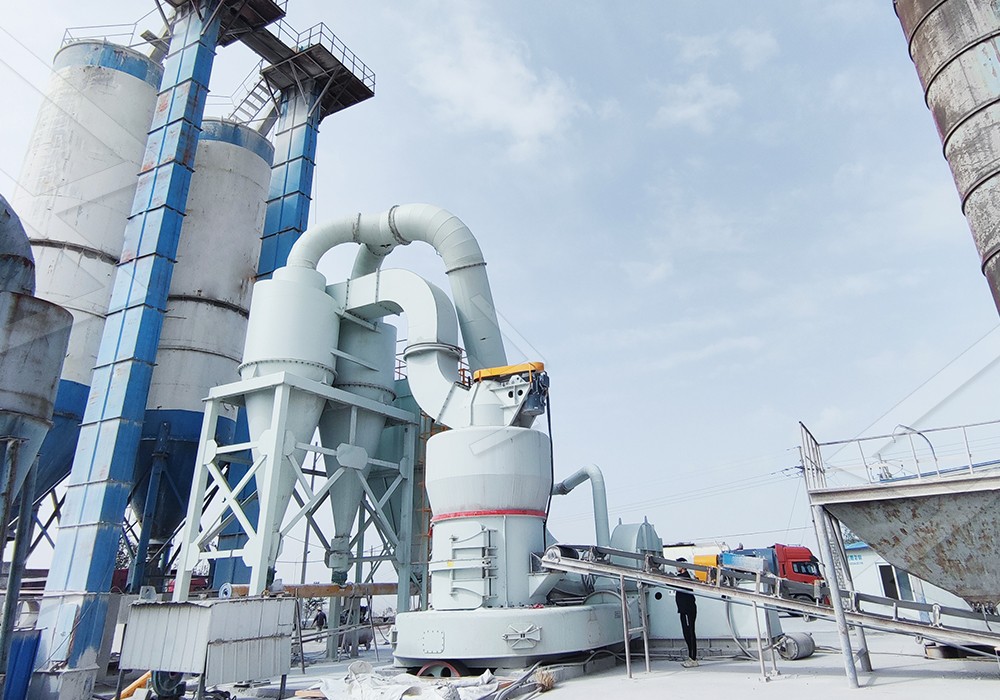
Key Factors Influencing Desulfurization Mill Pricing
The cost of a desulfurization grinding mill isn’t determined by a single factor but rather by a combination of technical requirements, operational parameters, and site-specific considerations. The primary elements that influence pricing include:
Capacity Requirements: The throughput capacity needed for your specific power generation output is perhaps the most significant cost driver. A 100MW plant will have dramatically different grinding requirements than a 1,000MW facility. Mills are typically priced according to their hourly production capacity, with larger units commanding higher prices.
Material Characteristics: The specific limestone or other sorbent material properties affect mill selection and cost. Harder materials with higher silica content require more robust grinding elements and potentially different mill technologies, increasing both initial investment and long-term maintenance expenses.
Fineness Specifications: The required particle size distribution for effective SO₂ removal directly impacts mill selection and operational costs. Finer grinding typically requires more sophisticated separation systems and higher energy consumption.
System Integration: Whether you’re purchasing a standalone mill or a complete grinding system with feeding, classification, dust collection, and material handling components significantly affects the total project cost.
Environmental Compliance: Meeting local emissions standards for noise and dust may require additional investments in filtration systems and sound enclosures.
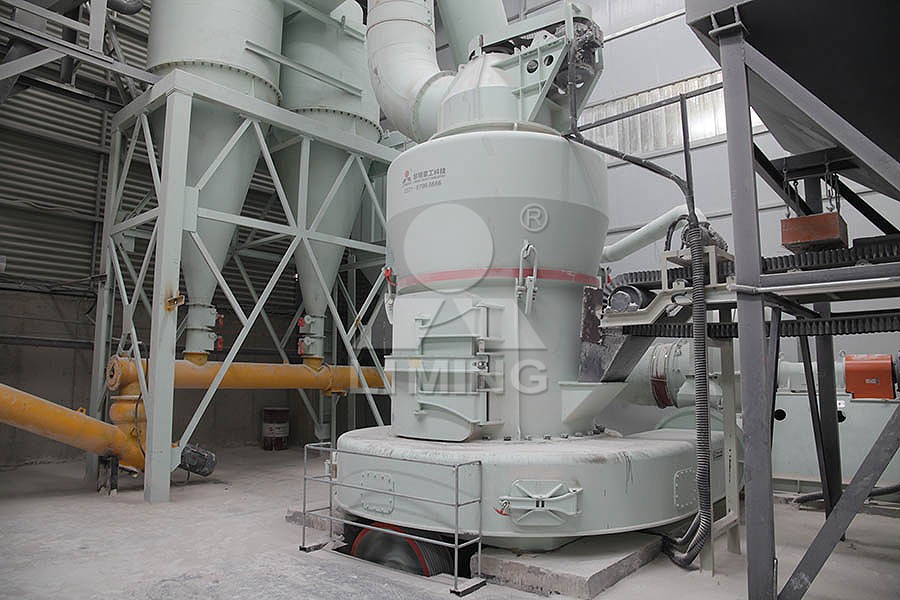
Beyond the Initial Purchase Price: Total Cost of Ownership
Savvy power plant managers look beyond the initial equipment price to consider the total cost of ownership over the mill’s operational lifetime. This comprehensive approach accounts for:
Energy Consumption: Grinding operations typically account for a significant portion of a power plant’s auxiliary power consumption. More efficient mills may have higher upfront costs but deliver substantial savings through reduced electricity usage over years of operation.
Maintenance Requirements: The frequency of maintenance shutdowns, ease of component replacement, and availability of spare parts all contribute to long-term operational costs. Mills designed with maintenance-friendly features can significantly reduce downtime expenses.
Wear Part Longevity: The service life of grinding elements, liners, and other wear components varies considerably between mill types and directly impacts operating costs.
Operational Labor: The degree of automation and operational complexity affects staffing requirements and associated labor costs.
Advanced Grinding Solutions for Modern Power Plants
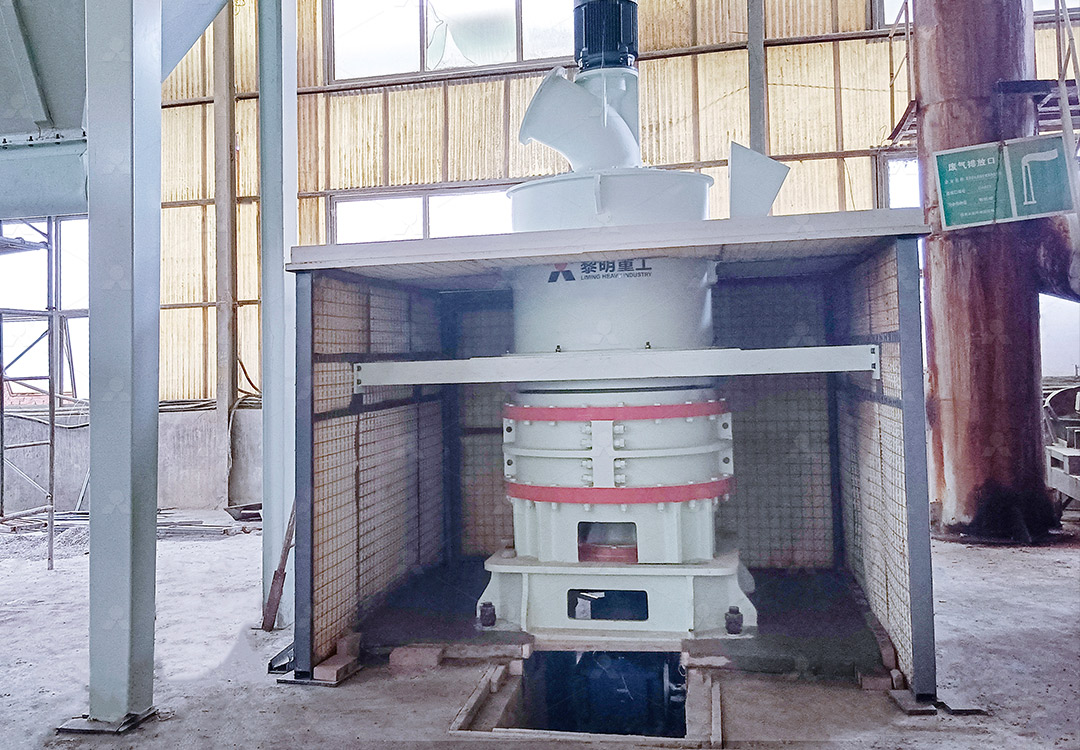
For power plants seeking to optimize their desulfurization operations, the MW Ultrafine Grinding Mill represents a technological advancement that balances performance with operational economy. This innovative mill processes materials with input sizes of 0-20 mm at capacities ranging from 0.5 to 25 tph, making it suitable for various power plant scales.
The MW Ultrafine Grinding Mill incorporates several features specifically beneficial for power plant desulfurization applications. Its newly designed grinding curves of grinding roller and grinding ring enhance grinding efficiency, achieving production capacity 40% higher than jet grinding mills and stirred grinding mills with the same fineness and power. Perhaps most significantly, the system energy consumption is only 30% of comparable jet grinding mills, delivering substantial operational cost savings.
For power plants requiring precise control over sorbent quality, the MW mill’s cage-type powder selector allows adjustable fineness between 325-2500 meshes, with screening rates achieving d97≤5μm in a single pass. This precision ensures optimal reactivity in the desulfurization process while minimizing sorbent consumption.
Strategic Considerations for Mill Selection
Choosing the right desulfurization grinding mill requires careful analysis of both technical and economic factors. Power plant operators should consider:
Future Regulatory Requirements: Anticipating increasingly stringent emissions standards may justify investing in technology capable of producing finer sorbent materials, even if not immediately required.
Fuel Source Variability: Plants that may switch between different coal types with varying sulfur content should select mills with sufficient flexibility to accommodate changing sorbent requirements.
Plant Lifecycle Stage: The remaining operational life of the power plant influences the optimal investment horizon for desulfurization equipment.
Local Sorbent Availability: The characteristics of locally available limestone or other sorbent materials may favor certain mill technologies over others.
Making the Right Investment Decision
Ultimately, the question of how much a desulfurization grinding mill costs cannot be answered with a simple price list. The true cost encompasses not only the initial capital expenditure but also years of operational expenses, maintenance requirements, and the critical role the mill plays in ensuring environmental compliance. By carefully evaluating both technical specifications and long-term economic factors, power plant operators can select grinding technology that delivers reliable performance and optimal value throughout its service life.
The integration of advanced mills like the MW Ultrafine Grinding Mill demonstrates how modern engineering can address the dual challenges of operational efficiency and environmental responsibility in power generation. With features such as external lubrication without shutdown capability enabling 24-hour continuous operation and efficient pulse dust collection ensuring environmentally compliant performance, such technologies represent the current state of the art in power plant desulfurization grinding.
Frequently Asked Questions
What is the typical price range for a desulfurization grinding mill for a medium-sized power plant?
Pricing varies significantly based on capacity and specifications, but for a medium-sized power plant (300-600MW), complete grinding systems typically range from $500,000 to $2,000,000. The MW Ultrafine Grinding Mill offers competitive pricing within this range while delivering superior energy efficiency that reduces operating costs.
How does mill selection affect overall desulfurization system efficiency?
The grinding mill directly impacts sorbent reactivity, consumption rates, and system reliability. Properly ground limestone with optimal particle size distribution increases SO₂ removal efficiency while reducing sorbent waste. The MW Ultrafine Grinding Mill’s adjustable fineness between 325-2500 meshes allows precise optimization for specific FGD system requirements.
What maintenance considerations should influence mill selection?
Key maintenance factors include ease of access to wear parts, availability of spare components, and mean time between failures. The MW Ultrafine Grinding Mill addresses these concerns with its innovative design that eliminates rolling bearings and screws in the grinding chamber, preventing common failure points and simplifying maintenance procedures.
How important is energy consumption in total operating costs?
Extremely important. Grinding operations can account for 50-70% of the total energy consumption in sorbent preparation. The MW Ultrafine Grinding Mill reduces this burden with energy consumption only 30% of comparable jet grinding mills, delivering substantial operational savings over the equipment lifespan.
Can existing power plants retrofit advanced grinding technology?
Yes, most power plants can retrofit modern grinding technology, though space constraints and integration requirements must be carefully evaluated. The compact design of mills like the MW Ultrafine Grinding Mill facilitates retrofitting in space-limited existing facilities.
What environmental compliance features should modern grinding mills include?
Modern mills should incorporate comprehensive dust collection systems, noise reduction technology, and efficient operation to minimize environmental impact. The MW Ultrafine Grinding Mill includes efficient pulse dust collection and muffler systems that ensure compliance with stringent environmental standards.