
How Much Does a Ball Grinding Mill Cost in Indonesia?
We provide a wide range of mills — including Raymond mill, trapezoidal mill, vertical mill, ultrafine mill, and ball mill, obtained ISO9001 international quality certification, EU CE certification, and Customs Union CU-TR certification. Suitable for processing minerals such as limestone, phosphate, quicklime, kaolin, talc, barite, bentonite, calcium carbonate, dolomite, coal, gypsum, clay, carbon black, slag, cement raw materials, cement clinker, and more.
The discharge range of these mills can be adjusted to meet specific processing needs, typically from 80-400 mesh, 600-3250 mesh, and can achieve the finest particle size of up to 6000 mesh(D50).
If you are looking for a reliable grinding solution to turn stone or minerals into fine powder, please feel free to contact our online customer service.
Understanding Ball Mill Costs in the Indonesian Market
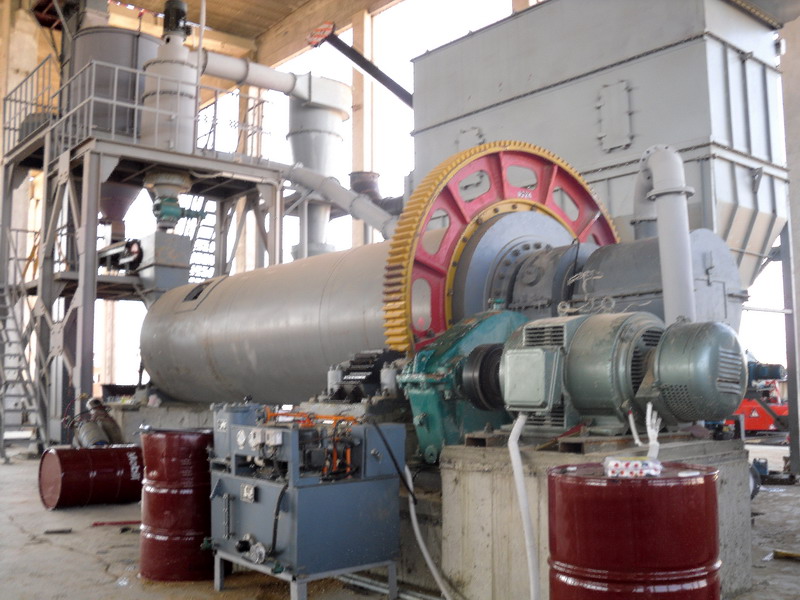
When evaluating the cost of a ball grinding mill for your operation in Indonesia, it’s crucial to look beyond the initial purchase price. The total investment encompasses equipment acquisition, installation, operational expenses, and long-term maintenance. While traditional ball mills have been a staple in mineral processing, modern alternatives often provide better value through superior efficiency and lower operating costs.
The price of a standard ball mill in Indonesia can range significantly based on capacity, specifications, and supplier. Smaller units might start around $50,000, while large industrial systems can exceed $500,000. However, focusing solely on the sticker price can be misleading. Energy consumption represents up to 40% of the total operating cost over the equipment’s lifespan, making efficiency a critical factor in your investment decision.
Key Factors Influencing Ball Mill Pricing
Several elements directly impact what you’ll pay for a grinding mill in Indonesia:
- Capacity Requirements: Production needs from 0.5 to 50 tph significantly affect sizing and pricing
- Material Characteristics: Hardness, abrasiveness, and moisture content of processed materials
- Automation Level: Advanced control systems increase initial cost but improve operational efficiency
- Supplier Origin: European, Chinese, and local Indonesian manufacturers offer different price points
- After-Sales Support: Local technical service availability affects long-term operational reliability
Modern Alternatives to Traditional Ball Mills
While ball mills have served industries reliably for decades, technological advancements have introduced more efficient grinding solutions. For operations requiring ultra-fine powders, specialized mills often deliver better performance with significantly lower energy consumption.
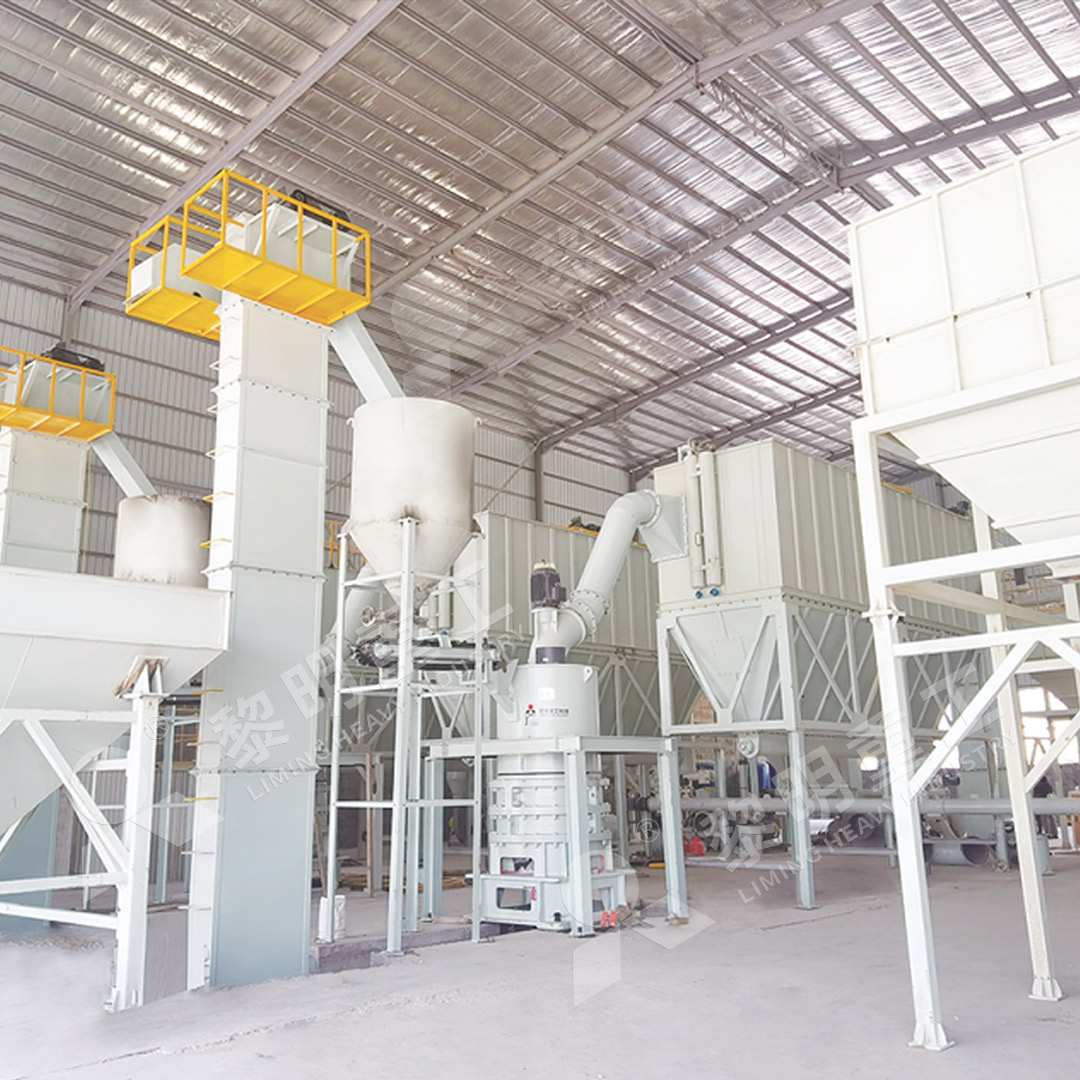
Our MW Ultrafine Grinding Mill represents a technological leap forward for Indonesian operations processing materials like limestone, calcite, dolomite, and various industrial powders. With an input size of 0-20 mm and capacity ranging from 0.5-25 tph, this system achieves fineness between 325-2500 meshes while consuming 30% less energy than jet mills and offering twice the output of comparable ball mills.
Advantages of Advanced Grinding Technology
The MW series incorporates several innovations that reduce long-term costs:
- Higher Yielding, Lower Energy Consumption: Production capacity is 40% higher than jet grinding mills with equivalent power input
- No Rolling Bearing in Grinding Chamber: Eliminates concerns about bearing damage and enables 24-hour continuous operation
- Eco-Friendly Operation: Integrated pulse dust collector and muffler minimize environmental impact
- Digitalized Processing: High-precision manufacturing ensures reliability and consistent performance
For operations requiring vertical grinding solutions, our LUM Ultrafine Vertical Grinding Mill offers another efficient alternative. With input size of 0-10 mm and capacity of 5-18 tph, it incorporates the latest grinding roller technology and German powder separating technology for exceptional performance in ultrafine powder applications.
Making the Right Investment Decision
When calculating the true cost of a grinding mill for your Indonesian operation, consider the complete lifecycle expenses. A lower-priced ball mill might seem attractive initially, but higher energy consumption and maintenance requirements can quickly erode those savings.
Modern grinding systems like our MW series typically demonstrate a return on investment within 12-24 months through reduced operating costs. The advanced design minimizes downtime with features like external lubrication without shutdown and worry-free operation supported by readily available spare parts.
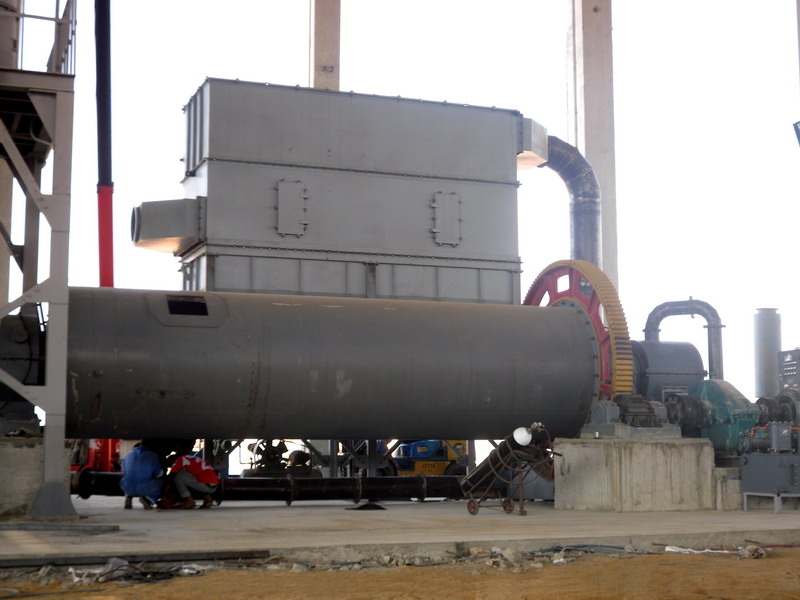
Indonesian operators should also factor in local conditions, including power reliability, humidity levels, and material characteristics specific to the region. Consulting with technical experts who understand both the equipment and local operational challenges can prevent costly mismatches between machinery and application requirements.
Frequently Asked Questions
What is the typical lifespan of a grinding mill in Indonesia’s climate?
With proper maintenance, high-quality grinding mills typically operate effectively for 15-20 years in Indonesia’s tropical climate. Regular servicing and using appropriate protective coatings against humidity are essential for maximizing equipment longevity.
How does material hardness affect grinding mill selection?
Harder materials require more robust construction and may necessitate specific liner materials. Our technical team can recommend the optimal mill configuration based on Mohs hardness testing of your specific materials.
Are there local service support options for grinding mills in Indonesia?
Yes, we maintain technical service teams in major Indonesian industrial centers, ensuring prompt support and genuine spare parts availability throughout the archipelago.
What financing options are available for equipment purchases?
We offer various financing solutions through partnerships with Indonesian and international financial institutions, including leasing arrangements that can help manage cash flow while acquiring advanced grinding technology.