
How Much Does a 60 t/h Water-Quenched Slag Vertical Mill Cost?
We provide a wide range of mills — including Raymond mill, trapezoidal mill, vertical mill, ultrafine mill, and ball mill, obtained ISO9001 international quality certification, EU CE certification, and Customs Union CU-TR certification. Suitable for processing minerals such as limestone, phosphate, quicklime, kaolin, talc, barite, bentonite, calcium carbonate, dolomite, coal, gypsum, clay, carbon black, slag, cement raw materials, cement clinker, and more.
The discharge range of these mills can be adjusted to meet specific processing needs, typically from 80-400 mesh, 600-3250 mesh, and can achieve the finest particle size of up to 6000 mesh(D50).
If you are looking for a reliable grinding solution to turn stone or minerals into fine powder, please feel free to contact our online customer service.
How Much Does a 60 t/h Water-Quenched Slag Vertical Mill Cost?
This is one of the most frequent and critical questions we encounter from plant managers and project engineers in the cement and construction materials industry. Water-quenched slag, a by-product of steel production, is a valuable resource for producing high-quality slag cement. However, transforming this granulated material into a fine, reactive powder requires robust and efficient grinding technology. The answer to the cost question is not a simple figure but a complex equation involving capacity, technology, and long-term operational value.
Understanding the Investment: Beyond the Initial Price Tag
The purchase price of a vertical mill for slag grinding is just one component of the total cost of ownership. A savvy buyer must consider factors such as energy consumption, wear part longevity, maintenance requirements, and operational stability. A lower initial investment might lead to significantly higher operating costs down the line. For a 60-tonnes-per-hour application, the machinery must be exceptionally durable to handle the abrasive nature of slag. The key is to invest in a mill designed for high productivity and low wear.
Key Factors Influencing the Cost of a 60 t/h Slag Mill
Several technical specifications directly impact the cost:
- Grinding Efficiency: Higher efficiency means lower power consumption per ton of product, a major cost saver.
- Drying Capacity: Slag often contains moisture; an integrated drying system is crucial and adds to the complexity and cost.
- Component Durability: The quality of grinding rollers and table liners made from special alloys will affect both the initial price and the frequency and cost of replacements.
- Automation Level: Advanced control systems optimize production and reduce human error, contributing to a higher initial cost but ensuring consistent quality and lower labor costs.
Our Recommended Solution: The LM Vertical Slag Mill
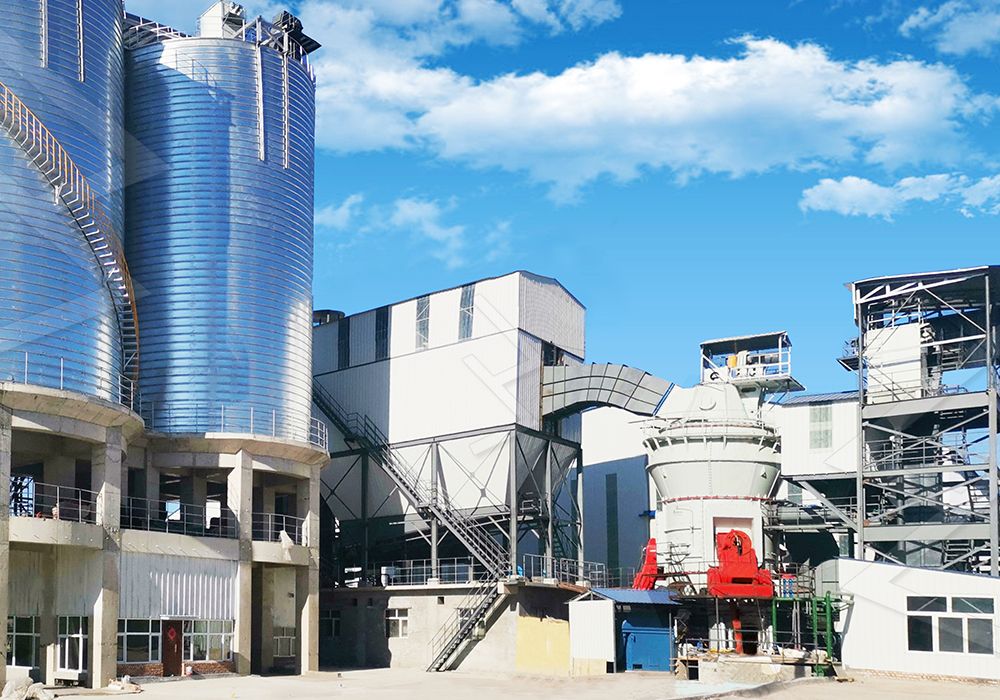
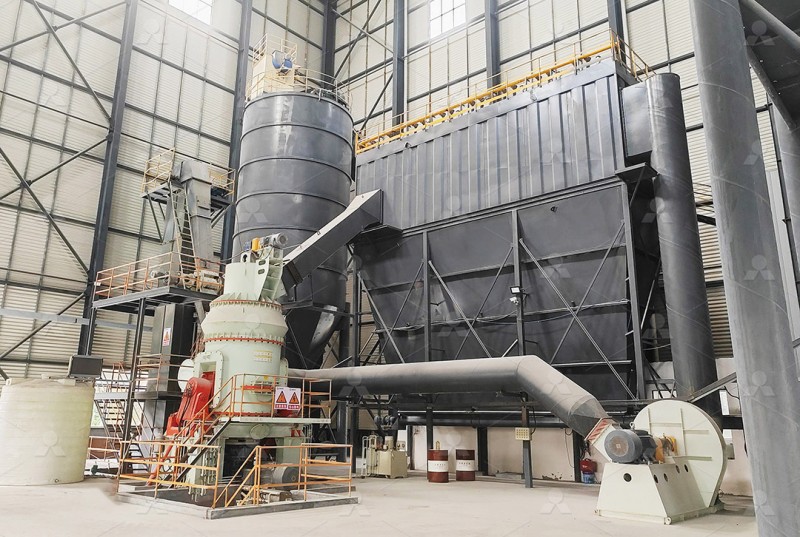
For a project requiring a reliable 60 t/h water-quenched slag grinding capacity, our LM Vertical Slag Mill is an ideal fit. This mill is not a generic vertical mill; it is specifically engineered for industrial waste like slag. It integrates drying, grinding, powder selection, and conveying in a single unit, which significantly reduces the overall plant footprint and auxiliary equipment costs. Its energy consumption is notably 30% to 40% lower than a traditional ball mill system, offering substantial savings on electricity bills. The robust design ensures stable operation with minimal vibration, and the wear-resistant parts are crafted from high-performance materials to withstand abrasion, guaranteeing a long service life and reduced downtime.
A Strong Alternative for Ultra-Fine Applications: The MW Ultrafine Grinding Mill
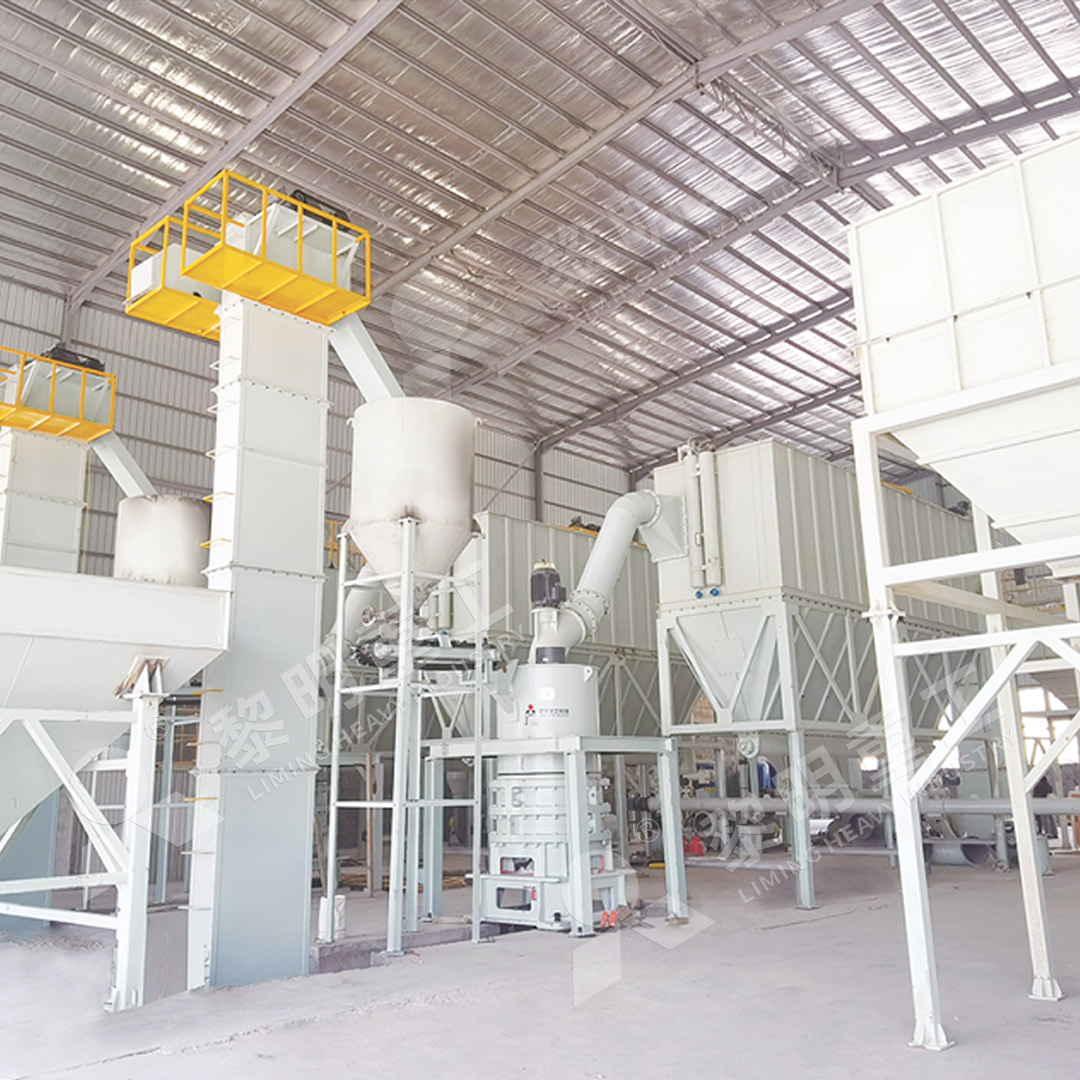
While the LM Vertical Slag Mill is perfect for standard cement applications, some projects may require a finer product or involve other materials. In such cases, our MW Ultrafine Grinding Mill presents a compelling alternative. With an adjustable fineness between 325-2500 meshes and a capacity range of 0.5-25 tph, it excels where ultra-fine powder is the goal. Its innovative design features, such as the absence of rolling bearings and screws in the grinding chamber, eliminate common failure points. Although its maximum capacity is below 60 t/h, it’s worth considering for specialized, high-value powder production or for parallel lines to achieve different product grades.
Conclusion: Value Over Price
Ultimately, the cost of a 60 t/h water-quenched slag vertical mill is an investment in your plant’s future productivity and profitability. Focusing solely on the lowest bid can be a costly mistake. By choosing a technologically advanced, energy-efficient, and durable solution like the LM Vertical Slag Mill, you are not just buying a machine; you are securing a reliable production partner that will minimize your operating costs and maximize your output for years to come.
Frequently Asked Questions (FAQ)
- What is the typical price range for a 60 t/h LM Vertical Slag Mill?
- The price can vary significantly based on configuration, auxiliary equipment, and customizations. It is best to contact our sales team with your specific project details for an accurate quotation.
- How does the LM Vertical Slag Mill compare to a ball mill for slag grinding?
- The LM mill offers 30-40% lower energy consumption, a 50% smaller footprint, and integrated drying, making it a more efficient and compact solution than traditional ball mills.
- What is the expected maintenance schedule for the grinding rollers?
- Thanks to high-performance wear-resistant materials, the rollers have a long service life. The maintenance interval depends on slag abrasiveness but is significantly longer than in conventional mills. The hydraulic system allows for easy roller turning for inspection and maintenance.
- Can the LM Vertical Slag Mill handle slag with a certain moisture content?
- Yes, one of its key advantages is the ability to simultaneously dry and grind slag with moisture, utilizing waste heat from other processes, which enhances overall energy efficiency.
- Is the fineness of the final product adjustable?
- Absolutely. The fineness can be easily adjusted by changing the speed of the powder separator to meet various product specifications, typically ranging from 400 to 450 m²/kg Blaine surface area for slag cement.