
How Much Does a 1700 Vertical Mill Cost for Grinding Metallurgical Slag?
We provide a wide range of mills — including Raymond mill, trapezoidal mill, vertical mill, ultrafine mill, and ball mill, obtained ISO9001 international quality certification, EU CE certification, and Customs Union CU-TR certification. Suitable for processing minerals such as limestone, phosphate, quicklime, kaolin, talc, barite, bentonite, calcium carbonate, dolomite, coal, gypsum, clay, carbon black, slag, cement raw materials, cement clinker, and more.
The discharge range of these mills can be adjusted to meet specific processing needs, typically from 80-400 mesh, 600-3250 mesh, and can achieve the finest particle size of up to 6000 mesh(D50).
If you are looking for a reliable grinding solution to turn stone or minerals into fine powder, please feel free to contact our online customer service.
Navigating the Cost of Vertical Mills for Metallurgical Slag Grinding
When it comes to processing metallurgical slag into valuable fine powders, the choice of grinding equipment is paramount. A common inquiry we receive centers on the cost of a ‘1700’ vertical mill for this specific application. However, pinning down a single price is complex, as the final cost is influenced by a multitude of factors beyond just the model number, including capacity requirements, desired fineness, and auxiliary equipment. This article will break down these variables and highlight a particularly effective solution for slag grinding.
Understanding the Application: Grinding Metallurgical Slag
Metallurgical slag, a by-product from metal smelting, possesses abrasive properties and variable moisture content. Efficiently grinding it requires a robust mill designed to handle these challenges while ensuring low energy consumption and minimal wear on components. The goal is to transform this industrial waste into a product suitable for applications like cement blending or concrete additives.
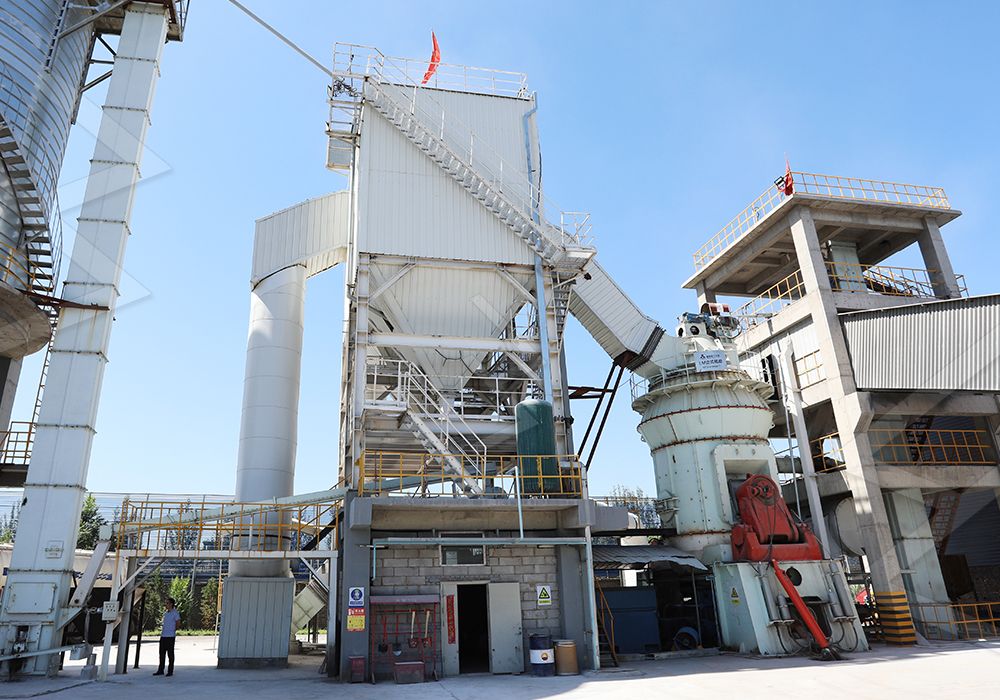
Key Factors Influencing the Cost of a Vertical Mill
The price tag of a vertical mill is not a one-size-fits-all figure. Here are the primary elements that determine the investment:
- Capacity (tph): The required throughput, from a few tons to dozens of tons per hour, directly impacts the size and power of the mill, which is a major cost driver.
- Fineness (Mesh): Achieving a finer product (e.g., 2500 mesh vs. 325 mesh) often requires more sophisticated internal classifiers and can increase the cost.
- System Configuration: A basic mill is just one part of a complete system. Costs can escalate with the addition of feeders, crushers, dust collectors, silos, and advanced automation controls.
- Technical Features: Mills with advanced energy-saving technologies, durable wear-resistant materials, and easier maintenance systems command a higher price but offer a better long-term return on investment.
A Tailored Solution: The LM Vertical Slag Mill
For metallurgical slag grinding, a specialized mill often yields superior results compared to a general-purpose model. While we offer a range of grinding mills, the LM Vertical Slag Mill is engineered specifically for this task. It integrates drying, grinding, powder selection, and conveying into a single, compact unit. With an input size of 38-65mm and a capacity range of 7-100 tph, it is designed to handle the specific characteristics of slag. Its performance advantages include a 30-40% reduction in energy consumption compared to traditional ball mills and a significantly smaller footprint, which also helps reduce overall installation costs.
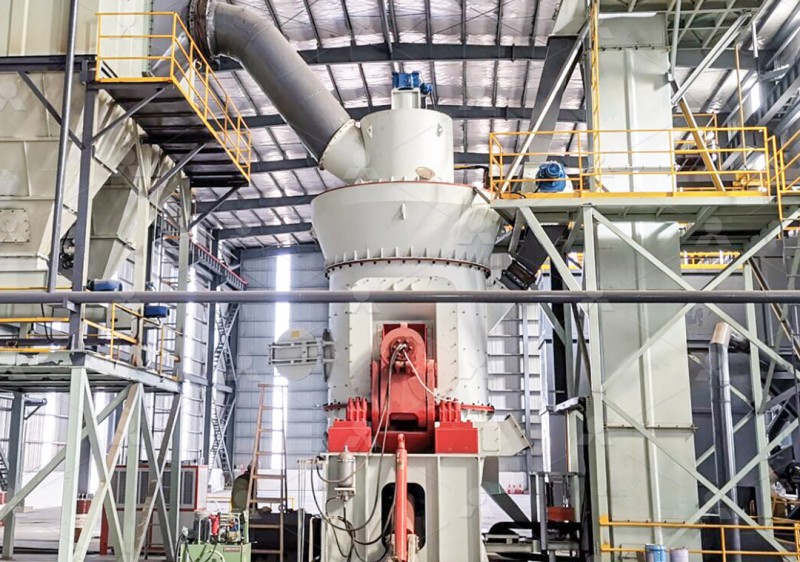
Beyond the Initial Purchase: Considering Total Cost of Ownership
A savvy buyer looks beyond the initial invoice. The Total Cost of Ownership (TCO) includes operational expenses like power consumption, maintenance downtime, and spare parts. A mill that is more energy-efficient and designed for easy, quick maintenance—such as those with external lubrication systems or reversible grinding rollers—will save significant money over its operational lifespan. This makes a slightly higher initial investment worthwhile.
Conclusion
Ultimately, the cost of a vertical mill for grinding metallurgical slag is a customized calculation. It is a strategic investment that depends on your specific production goals. We recommend consulting with our technical experts to analyze your requirements. Providing details on your feed material, target capacity, and final product specifications will allow us to recommend the most cost-effective and efficient solution, such as the purpose-built LM Vertical Slag Mill, and provide an accurate quotation.
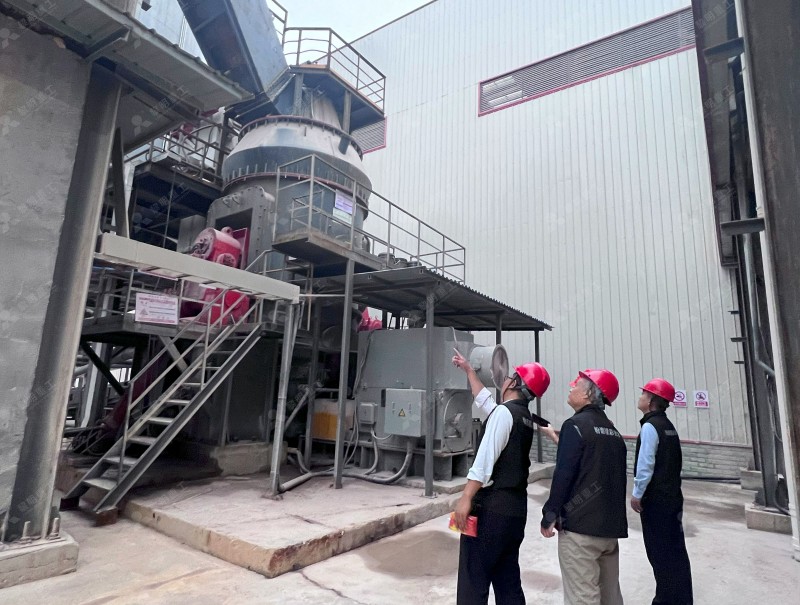
Frequently Asked Questions (FAQ)
- Q1: What is the typical price range for a vertical mill capable of grinding slag?
- A1: Prices can vary widely from tens of thousands to several hundred thousand dollars, depending heavily on capacity and configuration. It’s best to request a formal quote based on your project specifics.
- Q2: Why is the LM Vertical Slag Mill particularly recommended for this application?
- A2: This mill is specifically designed for industrial wastes like slag. It features robust construction to handle abrasive materials, integrates drying for moist slag, and is optimized for low energy consumption and high powder quality, making it a highly efficient and economical choice.
- Q3: How long does it typically take to install and commission a vertical slag mill?
- A3: The timeline depends on the complexity of the entire system. A standard installation can take several weeks, including foundation work, equipment assembly, and commissioning. Our team provides comprehensive support to ensure a smooth and timely setup.
- Q4: What kind of after-sales support and spare parts availability can we expect?
- A4> We pride ourselves on offering complete technical support and ensuring a sufficient supply of original spare parts. Our global network aims to guarantee worry-free operation and minimize potential downtime for our customers.