
How Much Do Limestone Mill Grinding Media and Wear Parts Cost?
We provide a wide range of mills — including Raymond mill, trapezoidal mill, vertical mill, ultrafine mill, and ball mill, obtained ISO9001 international quality certification, EU CE certification, and Customs Union CU-TR certification. Suitable for processing minerals such as limestone, phosphate, quicklime, kaolin, talc, barite, bentonite, calcium carbonate, dolomite, coal, gypsum, clay, carbon black, slag, cement raw materials, cement clinker, and more.
The discharge range of these mills can be adjusted to meet specific processing needs, typically from 80-400 mesh, 600-3250 mesh, and can achieve the finest particle size of up to 6000 mesh(D50).
If you are looking for a reliable grinding solution to turn stone or minerals into fine powder, please feel free to contact our online customer service.
How Much Do Limestone Mill Grinding Media and Wear Parts Cost?
When operating a limestone grinding mill, one of the most significant ongoing expenses is the cost of grinding media and wear parts. These components are subject to constant abrasion and impact, leading to regular replacement needs. The total cost of ownership isn’t just the initial price tag on the parts; it encompasses their lifespan, the frequency of replacement, and the associated downtime for your operation.
Factors influencing cost include the hardness and abrasiveness of the limestone, the fineness of the required product, the mill’s operating hours, and most importantly, the design of the mill itself. A poorly designed mill will consume media and wear parts at a much higher rate, drastically increasing your operational expenditure.
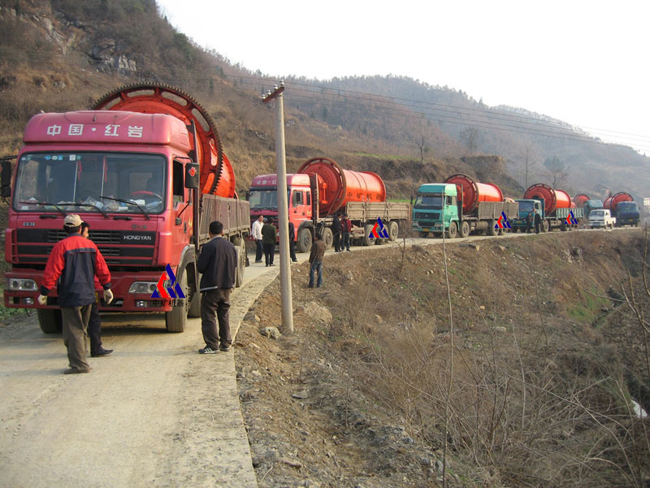
For operations focused on producing ultra-fine limestone powder, the choice of mill is paramount. Traditional ball mills, while having a lower initial cost, often have higher media consumption and energy costs. This is where advanced mill designs offer a superior value proposition.
A Cost-Effective Solution for Ultra-Fine Grinding
Our MW Ultrafine Grinding Mill is engineered specifically to minimize these costs for customers requiring ultra-fine powder. Its innovative design directly adresses the pain points of media and part wear.
A key feature that sets the MW Mill apart is its No Rolling Bearing & Screw in Grinding Chamber design. This eliminates common failure points and worries about damage to bearings or their sealing parts. There is simply no machine damage problem caused by loose screws, a frequent and costly issue in other mills. Furthermore, the lubricating device is installed externally, allowing for lubrication without shutdown and enabling continuous 24/7 production, maximizing your uptime.
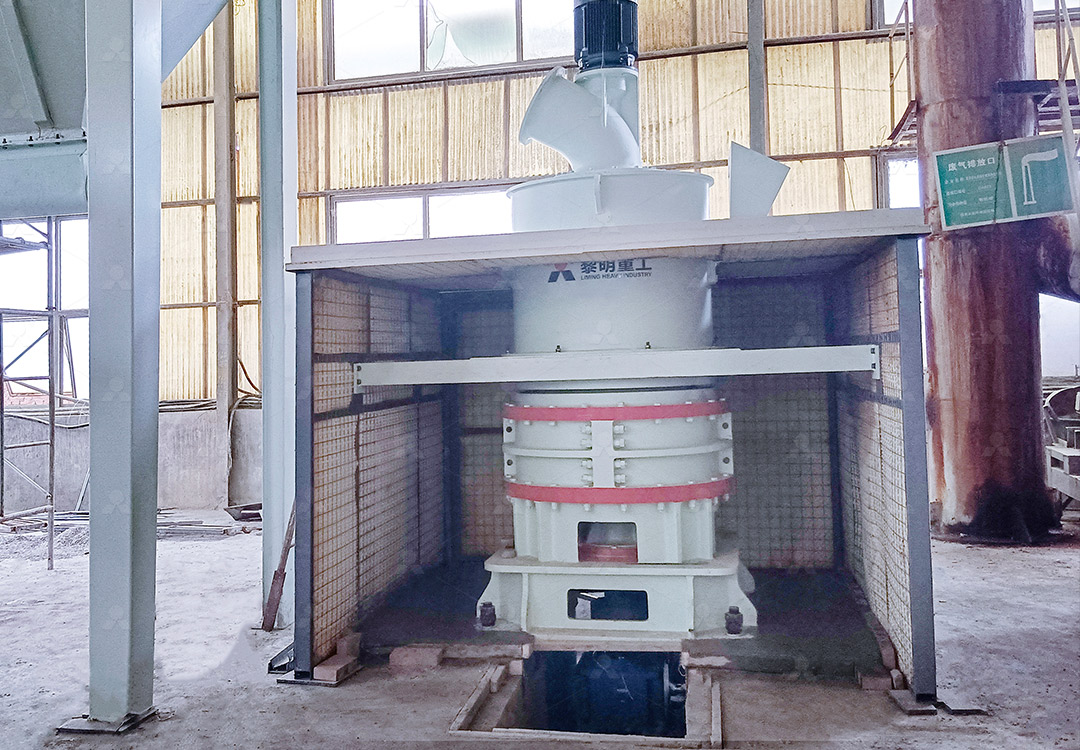
Beyond durability, the MW Mill delivers on performance and efficiency. It boasts Higher Yielding and Lower Energy Consumption. With newly designed grinding curves, its production capacity is 40% higher than jet or stirred grinding mills and double that of a ball mill, while system energy consumption is only 30% of a jet mill. It also offers Adjustable Fineness Between 325-2500 meshes thanks to its German-technology cage-type powder selector.
Calculating Your True Cost
When evaluating the cost of grinding media and wear parts, you must look beyond the invoice price. Consider the total grinding cost per ton of finished product, which includes:
- Cost of replacement grinding media/rollers
- Cost of other wear parts (liners, rings, etc.)
- Labor cost for replacement and maintenance
- Cost of lost production during downtime
- Energy consumption per ton
By choosing a mill like the MW Series designed for longevity and efficiency, you effectively reduce all these variables. You change parts less frequently, spend less on energy, and keep your mill running longer, translating to a significantly lower cost per ton over the life of the equipment.
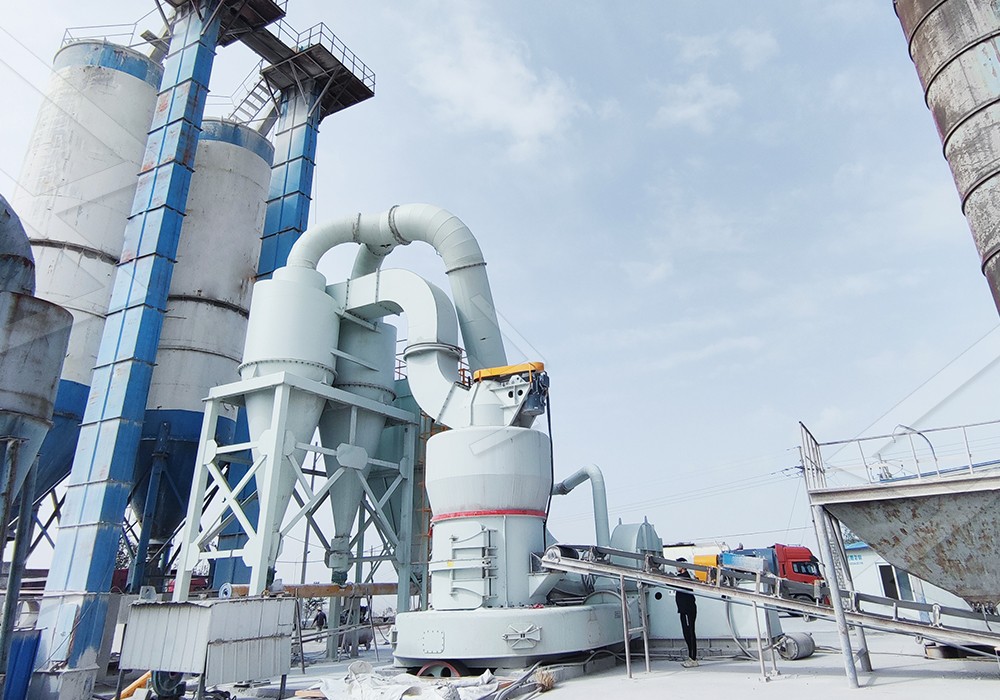
In conclusion, while the upfront price of quality wear parts is a consideration, the real savings are found in a mill designed to protect those parts and extend their life. For ultra-fine limestone grinding, the MW Ultrafine Grinding Mill presents a compelling case for reducing your total operating costs, making it a smart long-term investment for any serious operation.