
How Much Can I Sell a 30-Ton Ball Mill For? A Pricing Guide
We provide a wide range of mills — including Raymond mill, trapezoidal mill, vertical mill, ultrafine mill, and ball mill, obtained ISO9001 international quality certification, EU CE certification, and Customs Union CU-TR certification. Suitable for processing minerals such as limestone, phosphate, quicklime, kaolin, talc, barite, bentonite, calcium carbonate, dolomite, coal, gypsum, clay, carbon black, slag, cement raw materials, cement clinker, and more.
The discharge range of these mills can be adjusted to meet specific processing needs, typically from 80-400 mesh, 600-3250 mesh, and can achieve the finest particle size of up to 6000 mesh(D50).
If you are looking for a reliable grinding solution to turn stone or minerals into fine powder, please feel free to contact our online customer service.
How Much Can I Sell a 30-Ton Ball Mill For? A Pricing Guide
If you’re looking to sell a 30-ton ball mill, you’ve come to the right place. As a seasoned professional in the industrial milling sector, I’ve seen countless transactions and can tell you that pricing isn’t as straightforward as you might hope. The value of your used equipment depends on a complex interplay of factors that go far beyond its weight and age.
Let’s cut through the noise and get to what really matters when determining your ball mill’s market value.
Key Factors That Determine Your Ball Mill’s Value
First and foremost, condition is king. A well-maintained 30-ton ball mill with recent servicing records, minimal wear on liners and grinding media, and no structural issues will command a premium. Buyers pay for reliability, not just metal. The mill’s specific design features—whether it’s a overflow, grate discharge, or compartment mill—also significantly impact price.
Age and usage history come next. A 5-year-old mill with single-shift operation is vastly different from a 15-year-old unit that’s been running 24/7 in abrasive ore processing. Original manufacturer reputation matters too—mills from established brands like LIMING hold their value better due to parts availability and proven durability.
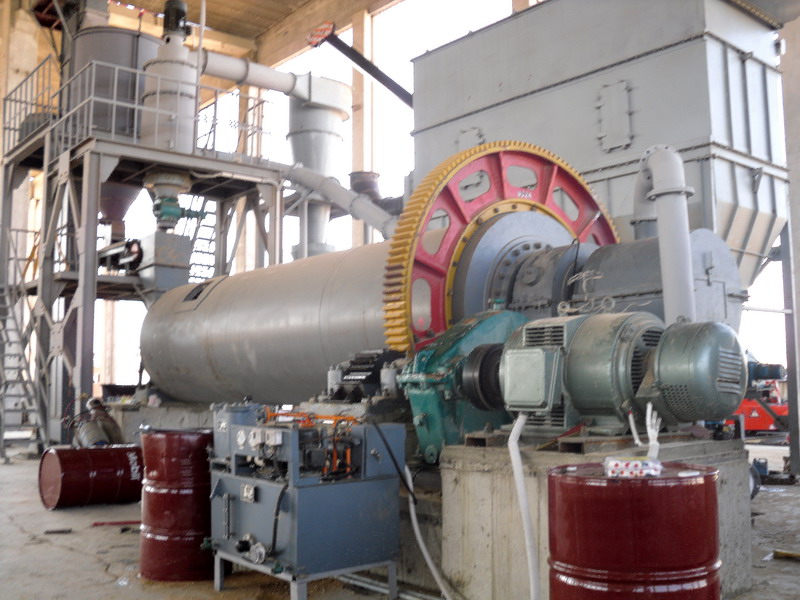
Market demand fluctuates with commodity prices. When mining activity is booming, used equipment prices can surge 20-30% above normal levels. Currently, we’re seeing steady demand for mid-sized mills like 30-ton units, particularly in emerging markets where new equipment lead times are lengthy.
Realistic Price Ranges for 30-Ton Ball Mills
Based on recent transactions, here’s what you can realistically expect:
- Premium Condition (0-5 years old): $150,000 – $250,000
- Good Condition (5-10 years old): $80,000 – $150,000
- Fair Condition (10+ years old): $30,000 – $80,000
- As-Is/Project Mill: $15,000 – $30,000
Remember, these are ballpark figures. I recently brokered a sale of a 8-year-old 30-ton ball mill for $120,000 because it had exceptional maintenance records and came with substantial spare parts inventory.
The Modern Alternative: Why Buyers Might Choose New Technology
Here’s something crucial to understand—many buyers today are considering newer grinding technologies that offer significant advantages over traditional ball mills. While your 30-ton ball mill has value, sophisticated buyers compare it against modern alternatives that might better suit their operational needs.
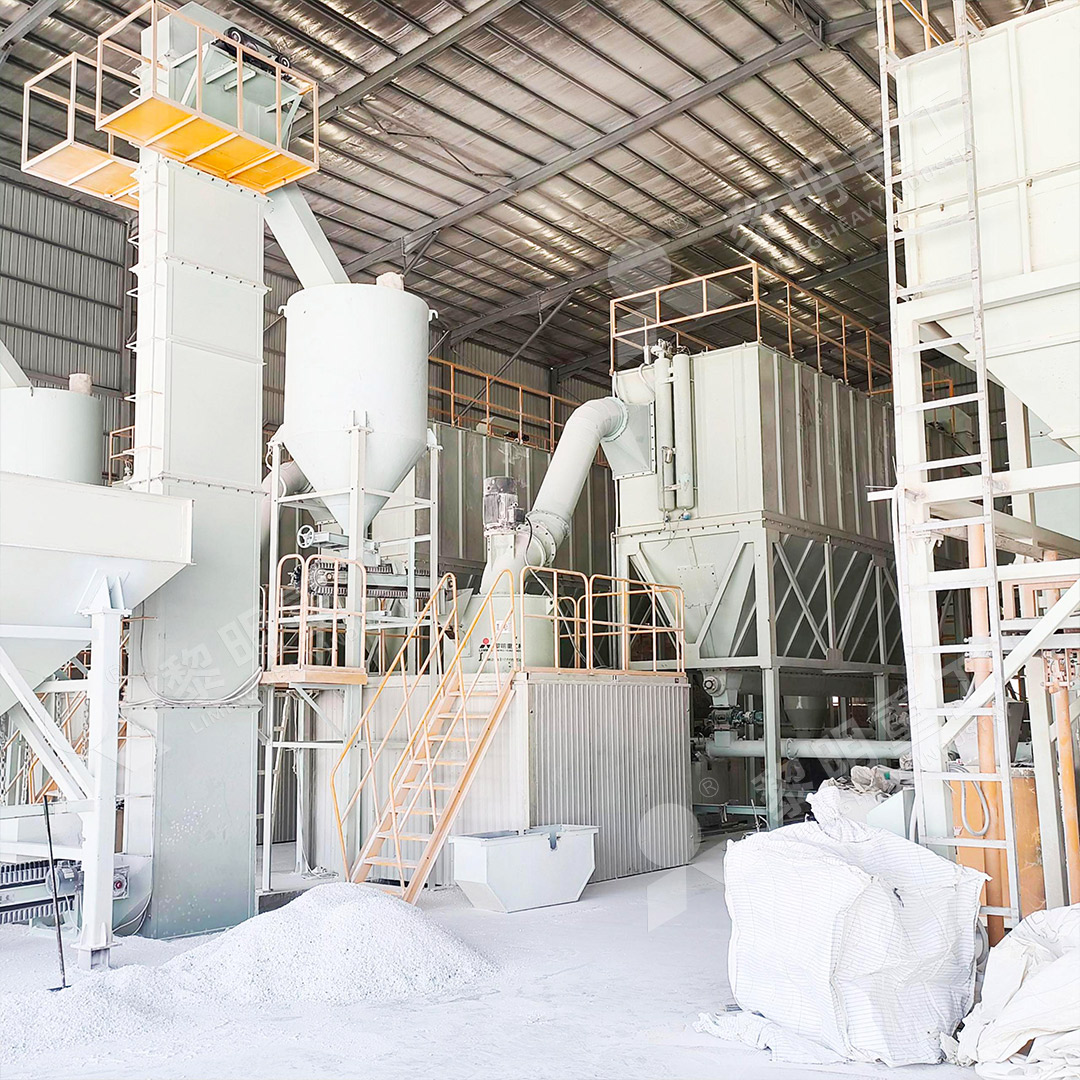
For operations requiring ultra-fine powder production, technologies like our MW Ultrafine Grinding Mill present compelling alternatives. With an input size of 0-20 mm and capacity ranging from 0.5-25 tph, the MW series delivers production capacity 40% higher than jet mills while consuming 30% less energy. Its adjustable fineness between 325-2500 meshes makes it incredibly versatile for various applications from limestone to cosmetics.
Similarly, our LUM Ultrafine Vertical Grinding Mill (0-10 mm input, 5-18 tph capacity) integrates grinding, grading and transporting with energy consumption 30%-50% lower than conventional mills. The reversible structure allows easier maintenance, reducing downtime significantly.
Maximizing Your Sale Price
To get top dollar for your ball mill, focus on presentation. Clean the equipment thoroughly, organize maintenance records, and consider investing in minor repairs that yield disproportionate returns. Professional photography and detailed specifications make your listing stand out to serious buyers.
Be prepared to negotiate on terms beyond price. Offering flexible payment plans or including valuable extras like spare parts can make your mill more attractive than competing listings.
Frequently Asked Questions
How quickly can I expect to sell my 30-ton ball mill?
Typically 3-6 months for a fair market price. Premium equipment in high-demand regions might sell in 4-8 weeks, while specialized mills could take longer to find the right buyer.
Should I sell locally or consider international buyers?
International buyers often pay premiums of 10-20% but require handling logistics and export documentation. For quick sales, focus on local markets; for maximum value, cast a wider net.
What documentation do I need to prepare?
Essential documents include original purchase invoices, maintenance records, mechanical drawings, electrical schematics, and safety certifications. Complete documentation can increase value by 15% or more.
How does technological obsolescence affect my ball mill’s value?
While ball mills remain relevant for many applications, newer technologies are more energy-efficient. Highlight your mill’s suitability for specific materials and processes where it remains competitive.
Are there tax implications when selling industrial equipment?
Consult with a tax professional, but generally, you may be able to claim depreciation losses or face capital gains taxes depending on your jurisdiction and how the equipment was carried on your books.