
How Many Tons of Limestone Powder Can a Raymond Mill Grind Per Hour?
We provide a wide range of mills — including Raymond mill, trapezoidal mill, vertical mill, ultrafine mill, and ball mill, obtained ISO9001 international quality certification, EU CE certification, and Customs Union CU-TR certification. Suitable for processing minerals such as limestone, phosphate, quicklime, kaolin, talc, barite, bentonite, calcium carbonate, dolomite, coal, gypsum, clay, carbon black, slag, cement raw materials, cement clinker, and more.
The discharge range of these mills can be adjusted to meet specific processing needs, typically from 80-400 mesh, 600-3250 mesh, and can achieve the finest particle size of up to 6000 mesh(D50).
If you are looking for a reliable grinding solution to turn stone or minerals into fine powder, please feel free to contact our online customer service.
How Many Tons of Limestone Powder Can a Raymond Mill Grind Per Hour?
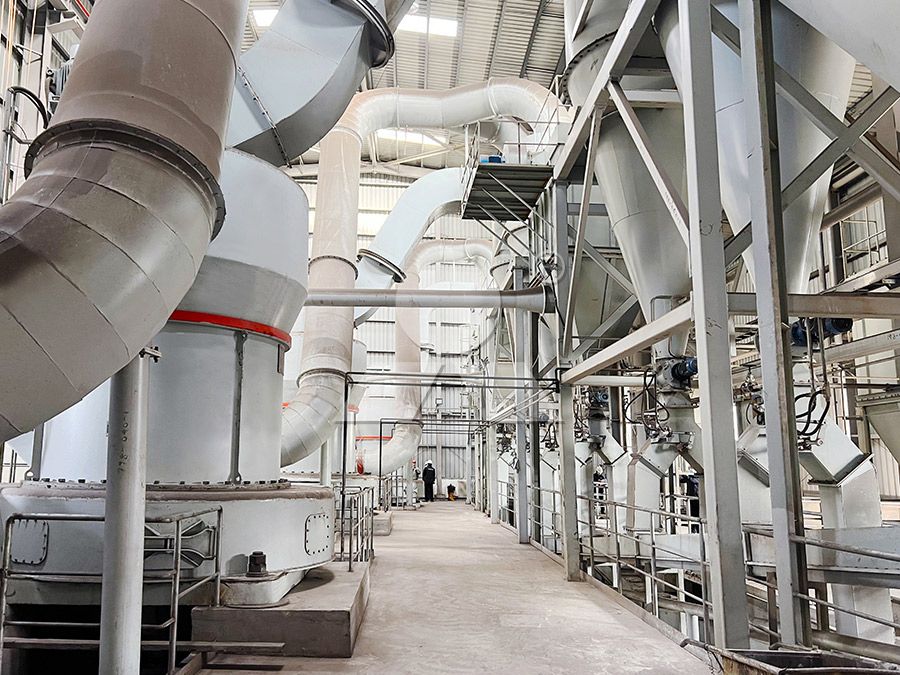
This is one of the most common and critical questions we receive from clients in the mineral processing industry. The answer, while seemingly straightforward, depends on a nuanced interplay of factors. At its core, a traditional Raymond Mill, the workhorse of fine grinding for decades, typically offers a capacity range for limestone between 0.6 to 5 tons per hour (tph). However, simply stating this figure does a disservice to the complexity of modern milling. The actual throughput for your specific operation hinges on the desired product fineness, the moisture and hardness of the raw limestone, and the overall system design.
Key Factors Influencing Raymond Mill Output
Understanding these variables is essential for accurate production planning and capital investment.
- Fineness Requirement: This is the primary governor of output. Grinding limestone to 200 mesh (75μm) will yield significantly higher hourly tonnage than producing a superfine 500 mesh (25μm) powder. The finer the target, the more grinding cycles the material must undergo within the mill’s classification system, reducing overall throughput.
- Material Characteristics: The hardness (often measured on the Mohs scale), initial feed size (ideally under 25mm for Raymond Mills), and moisture content of the limestone directly impact grinding efficiency. Drier, softer limestone with consistent feed size will maximize capacity.
- System Configuration: A well-designed ancillary system—including efficient feeding, dust collection, and product conveying—is vital. Any bottleneck in these components will limit the mill’s potential output, regardless of its intrinsic grinding power.
Beyond Traditional Raymond Mills: The Evolution of Grinding Technology
While the classic Raymond Mill design remains effective for many applications, technological advancements have led to a new generation of grinding equipment that offers substantially higher efficiency, greater control over particle size distribution, and improved environmental performance. For operations requiring higher output, superior product quality, or energy savings, these modern solutions are worth serious consideration.
Modern Alternatives for Enhanced Limestone Processing
For projects where the 0.6-5 tph range of a traditional Raymond Mill is a limiting factor, or where ultra-fine powders are the end goal, our engineering team often recommends more advanced milling solutions. Two standout technologies in our portfolio are designed to meet these demanding requirements.
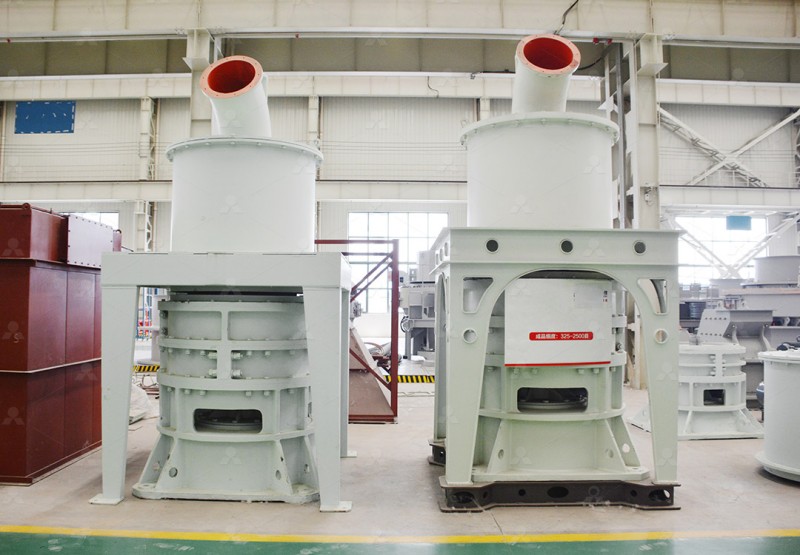
For clients targeting the ultra-fine powder market (325-2500 meshes), the MW Ultrafine Grinding Mill represents a significant leap forward. It is specifically engineered for customers who need to produce ultra-fine limestone powder for high-value applications like paints, cosmetics, and advanced polymers. With a capacity range of 0.5 to 25 tph, it can handle a broader spectrum of production needs. Its innovative design, featuring a German-technology cage-type powder selector, allows for precise fineness adjustment. A key advantage is its higher yield and lower energy consumption—achieving 40% higher output than jet mills while using only 30% of the energy. Furthermore, its dust removal system ensures an eco-friendly operation that meets stringent environmental standards.
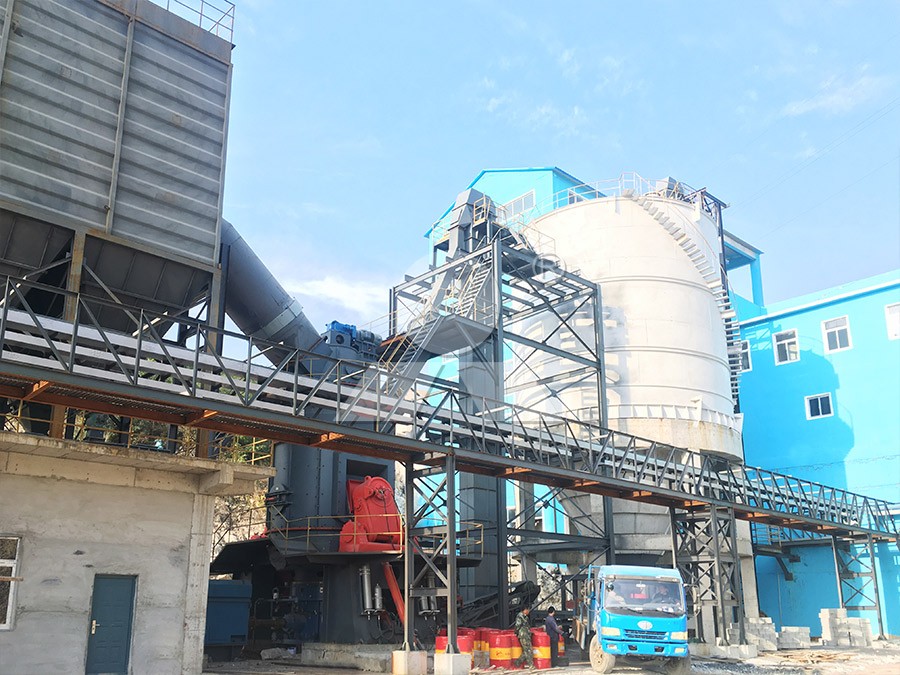
Another powerful option is the LUM Ultrafine Vertical Grinding Mill. This mill integrates grinding, grading, and transporting into one robust system. With a capacity of 5 to 18 tph for feed sizes up to 10mm, it excels in producing superfine dry powder. Its defining feature is the unique roller shell and lining plate grinding curve, which promotes easier material layer formation and a high rate of finished product in a single pass. This design not only boosts efficiency but also enhances the whiteness and cleanliness of the final limestone powder. The mill’s multi-head powder separating technology, controlled by a PLC system, enables precise cuts in particle size and reduces energy consumption by 30%-50% compared to conventional mills.
Making the Right Choice for Your Operation
Selecting the optimal grinding mill is not just about maximum tonnage. It involves a holistic analysis of your raw material, target product specifications, total cost of ownership (including energy and maintenance), and environmental footprint. While the Raymond Mill is a proven and cost-effective solution for many, the advanced capabilities of mills like the MW and LUM series can unlock new levels of productivity and product quality for forward-thinking operations.
We recommend a thorough consultation with our technical experts. By analyzing a sample of your limestone and discussing your production goals, we can provide a data-driven recommendation to ensure your grinding circuit is not only capable but optimized for long-term success and profitability.
Frequently Asked Questions (FAQ)
1. What is the main difference between a Raymond Mill and the MW Ultrafine Grinding Mill?
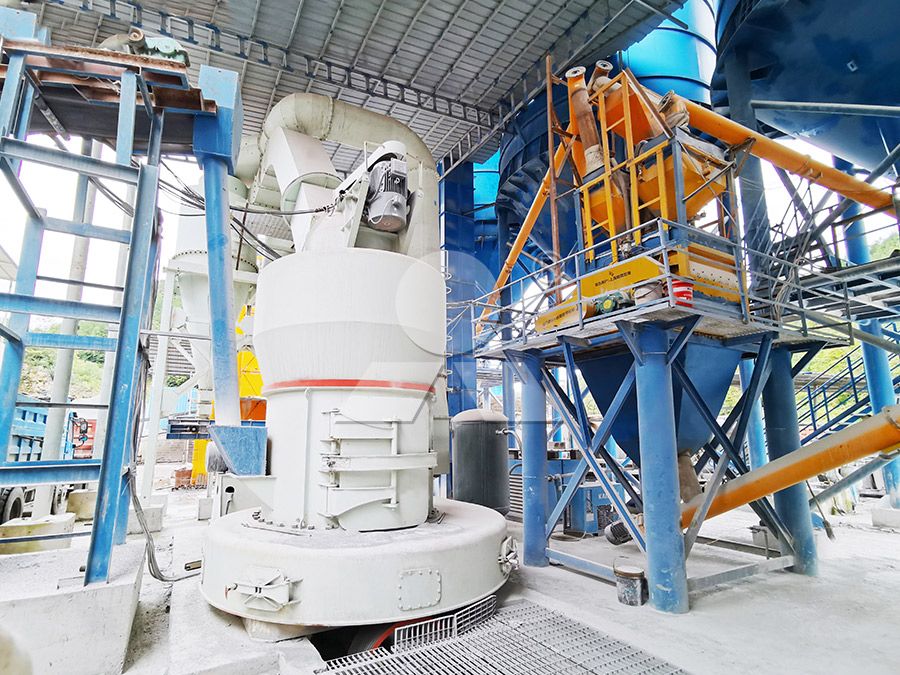
The primary difference lies in fineness range and technology. Traditional Raymond Mills are ideal for fine grinding up to around 425 mesh. The MW Ultrafine Grinding Mill is designed for producing much finer powders, from 325 to 2500 meshes, using advanced selector technology for higher precision and energy efficiency in the ultra-fine spectrum.
2. Can these mills handle moist limestone?
Standard Raymond and vertical mills require relatively dry feed material (typically low moisture content). For materials with higher moisture, integrated drying systems are available, especially in vertical mill designs like the LUM or LM series, which can combine drying and grinding in a single step.
3. How does the energy consumption of a modern vertical mill compare to a ball mill for limestone grinding?
Modern vertical roller mills, such as our LUM and LM series, are significantly more energy-efficient. They can reduce energy consumption by 30% to 50% compared to traditional ball mills, as they utilize a more efficient grinding principle involving pressure and shear rather than impact alone.
4. What kind of maintenance should I expect with the MW Mill’s “no rolling bearing in the chamber” design?
This design is a major maintenance advantage. By eliminating rolling bearings and screws from the high-wear grinding chamber, it removes the risk of bearing seizure or screw loosening due to vibration and contamination. Lubrication points are external, allowing for easier, safer maintenance and contributing to the potential for 24/7 continuous operation.
5. How is the final product fineness controlled and adjusted on these mills?
Fineness is primarily controlled by the integrated powder separator (classifier). In advanced models like the MW and LUM mills, the speed of the separator’s rotor is adjusted via the control system. Increasing the rotor speed allows only finer particles to pass, resulting in a finer product, and vice-versa. This allows for quick and precise adjustments without stopping the mill.
6. Are spare parts readily available for these machines?
Yes. As a manufacturer responsible for both production and sales, we maintain a sufficient supply of original spare parts for all our equipment, including grinding rollers, rings, and selector blades. This ensures worry-free operation and minimizes downtime when scheduled maintenance is required.