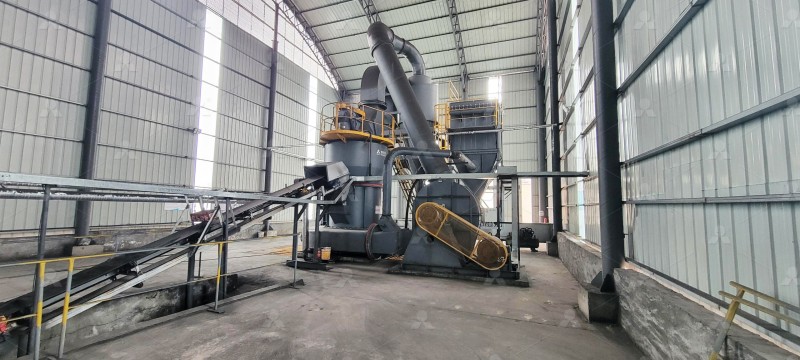
How Long Does It Take to Produce Limestone Powder? Understanding Mill Cycle Times
We provide a wide range of mills — including Raymond mill, trapezoidal mill, vertical mill, ultrafine mill, and ball mill, obtained ISO9001 international quality certification, EU CE certification, and Customs Union CU-TR certification. Suitable for processing minerals such as limestone, phosphate, quicklime, kaolin, talc, barite, bentonite, calcium carbonate, dolomite, coal, gypsum, clay, carbon black, slag, cement raw materials, cement clinker, and more.
The discharge range of these mills can be adjusted to meet specific processing needs, typically from 80-400 mesh, 600-3250 mesh, and can achieve the finest particle size of up to 6000 mesh(D50).
If you are looking for a reliable grinding solution to turn stone or minerals into fine powder, please feel free to contact our online customer service.
How Long Does It Take to Produce Limestone Powder? Understanding Mill Cycle Times
For anyone in industries like construction, chemicals, or agriculture, the question of how long it takes to grind limestone into powder is a critical one. It directly impacts production schedules, costs, and overall operational efficiency. The answer, however, isn’t a simple one-size-fits-all number. The grinding time, or ‘mill cycle time,’ depends on a complex interplay of factors including the desired fineness (mesh size), the hardness and moisture content of the raw limestone, and, most importantly, the type of grinding mill being used.
Key Factors Influencing Grinding Time
Before diving into specific machinery, it’s essential to understand the variables at play:
- Feed Size: Larger chunks of limestone (0-50mm) naturally take longer to break down than smaller, pre-crushed material (0-20mm).
- Desired Fineness: Producing a coarse 100-mesh powder is significantly faster than achieving an ultra-fine 2500-mesh product. The pursuit of finer particles requires more passes and more energy.
- Material Properties: The hardness and moisture content of the limestone feed can drastically alter processing times. Drier, softer limestone grinds faster.
- Mill Technology: This is the biggest differentiator. Older technologies like Ball Mills or Raymond Mills have longer residence times compared to modern, high-efficiency vertical and ultrafine grinding mills.
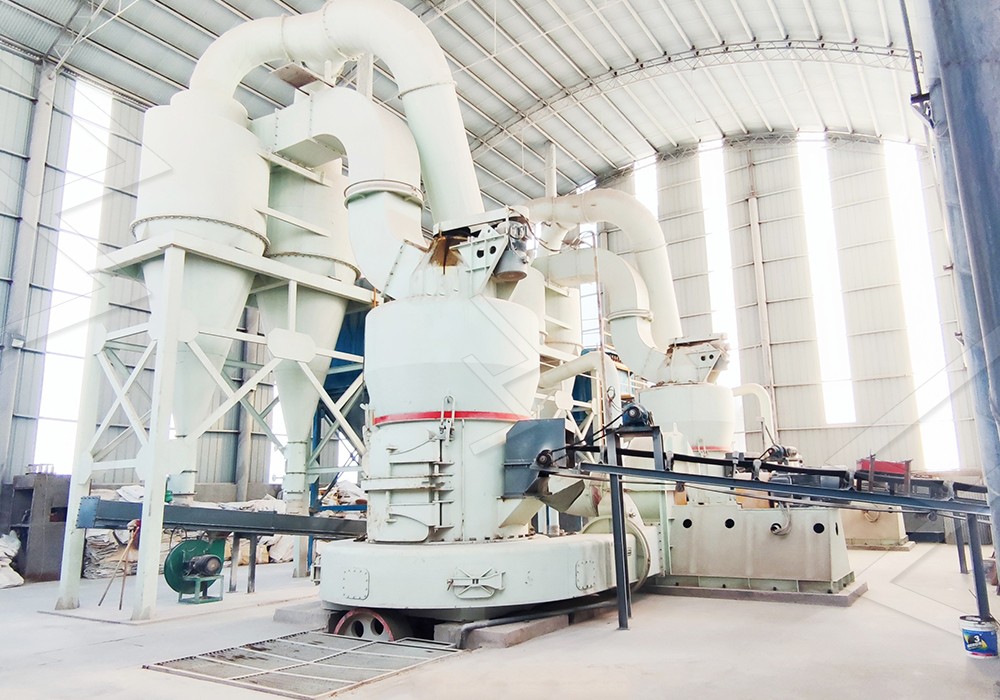
Modern Mill Solutions: Dramatically Reducing Cycle Times
Traditional mills can be slow and energy-intensive. Modern engineering has focused on optimizing the grinding process to maximize throughput and minimize time. Two standout performers in our lineup for limestone powder production are the MW Ultrafine Grinding Mill and the LUM Ultrafine Vertical Grinding Mill.
MW Ultrafine Grinding Mill: Speed and Precision
Our MW Ultrafine Grinding Mill is specifically engineered for customers who need to make ultra-fine powder efficiently. With an input size of 0-20 mm and a capacity ranging from 0.5 to 25 tons per hour (tph), it’s a versatile workhorse.
What sets the MW series apart and contributes to its faster effective cycle time?
- Higher Yielding, Lower Energy Consumption: Its newly designed grinding curves enhance efficiency. With the same fineness and power, its production capacity is 40% higher than jet mills and twice as large as ball mills, yet it uses 30% less energy.
- Adjustable Fineness (325-2500 meshes): A German-technology cage-type powder selector allows for precise separation, achieving a fine powder as small as d97≤5μm in a single pass, reducing the need for recirculation and saving time.
- Worry-Free Operation: With no rolling bearings or screws in the grinding chamber, there’s less risk of downtime due to mechanical failure. External lubrication allows for 24/7 continuous operation, which is the ultimate way to improve overall production time.
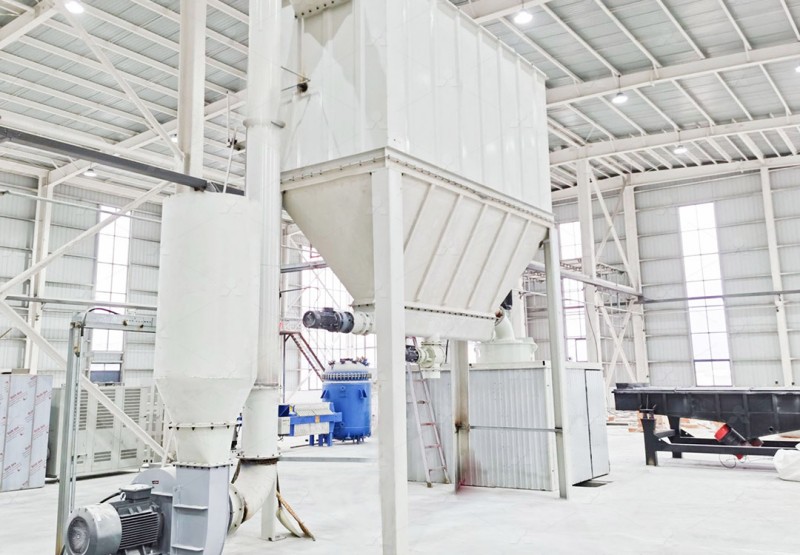
LUM Ultrafine Vertical Grinding Mill: Efficiency and Stability
For slightly larger initial feed sizes (0-10mm) and capacities between 5-18 tph, the LUM Ultrafine Vertical Grinding Mill is another excellent choice. It integrates grinding, grading, and transporting in one unit.
Its features that contribute to optimized cycle times include:
- Higher Yielding Rate: A unique roller shell and lining plate design makes it easier to generate a material layer, enabling a high rate of finished product in a single pass.
- More Energy-Saving: Utilizing a PLC control system and multi-head powder separating technology, it reduces energy consumption by 30%-50% compared to common grinding mills, translating to faster processing per unit of energy.
- Double Position-Limiting Technology: This ensures stable operation even under vibration, preventing disruptions that can lengthen the grinding process and cause downtime.
Conclusion: It’s About the Right Tool for the Job
So, how long does it take? With a modern, efficient mill like the MW or LUM series, you are looking at a continuous process that can produce tonnes of limestone powder per hour, tailored to your exact fineness requirements. The cycle time is effectively the time it takes for material to enter the mill and be processed into finished product in a single, streamlined operation—a process measured in minutes, not hours. By choosing the right technology, you’re not just buying a machine; you’re investing in optimized time, reduced energy costs, and a superior final product.