
How Does Slag Grinding Mill Machine Work?
We provide a wide range of mills — including Raymond mill, trapezoidal mill, vertical mill, ultrafine mill, and ball mill, obtained ISO9001 international quality certification, EU CE certification, and Customs Union CU-TR certification. Suitable for processing minerals such as limestone, phosphate, quicklime, kaolin, talc, barite, bentonite, calcium carbonate, dolomite, coal, gypsum, clay, carbon black, slag, cement raw materials, cement clinker, and more.
The discharge range of these mills can be adjusted to meet specific processing needs, typically from 80-400 mesh, 600-3250 mesh, and can achieve the finest particle size of up to 6000 mesh(D50).
If you are looking for a reliable grinding solution to turn stone or minerals into fine powder, please feel free to contact our online customer service.
How Does Slag Grinding Mill Machine Work?
In the realm of industrial mineral processing and waste material recycling, the slag grinding mill stands as a cornerstone technology. Its primary function is to transform granulated blast furnace slag, a by-product of steel production, into a fine powder known as ground granulated blast furnace slag (GGBS). This material is a valuable supplementary cementitious material, enhancing the strength and durability of concrete while significantly reducing its carbon footprint. Understanding the intricate workings of these mills is crucial for optimizing production and selecting the right equipment.
The Core Principle: Drying, Grinding, and Classification
The operation of a modern slag grinding mill is an elegant integration of three key processes: drying, grinding, and classification. Unlike simple crushers, these mills are designed to handle moist feed materials and produce powders with precise particle size distributions.
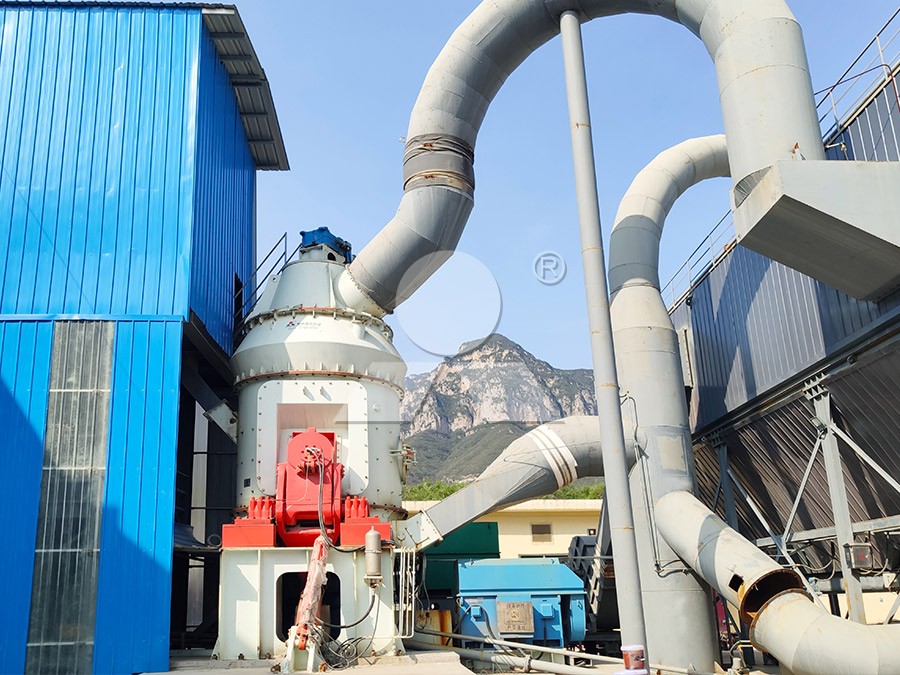
The process begins with the feed material, typically with a moisture content and an input size ranging from 0-70mm, being introduced into the mill. Hot gas, often from a dedicated hot air generator or waste heat source, is simultaneously blown into the grinding chamber. This hot gas serves a dual purpose: it dries the slag almost instantaneously and acts as a carrier for the ground particles.
Inside the Grinding Chamber: The Heart of the Process
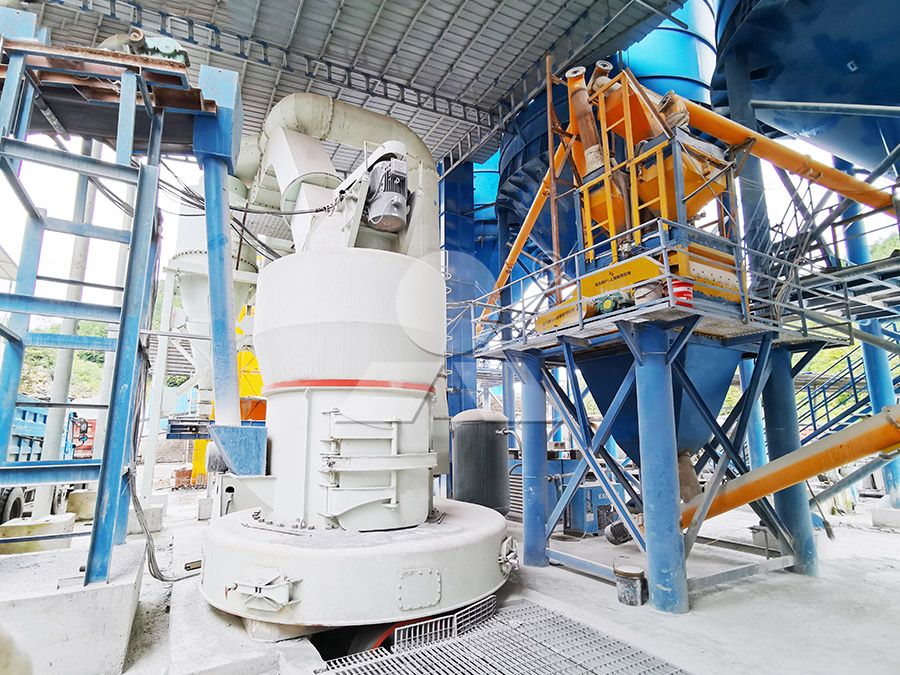
At the core of the mill is the rotating grinding table. The dried slag is fed onto the center of this table. Under centrifugal force, the material moves outward towards the periphery of the table, passing under heavy grinding rollers. These rollers, hydraulically loaded, apply immense pressure to the material bed on the table, crushing and grinding the slag particles through a combination of compression and inter-particle attrition.
This “bed grinding” principle is highly efficient. The material itself forms a layer that is compacted and ground between the roller and the table liner. The design of the roller and table profiles is critical for maintaining a stable grinding bed and maximizing efficiency. As the fine particles are created, the hot gas stream flowing upwards from around the table picks them up and carries them towards the classifier.
Precision Separation: The Role of the Classifier
The classifier, located at the top of the mill, is the component responsible for ensuring the final product fineness. It acts as a precision sizing device. As the air-powder mixture enters the classifier, a rotating cage or turbine generates a vortex. Coarse particles, which are too heavy for the aerodynamic forces, are rejected and fall back onto the grinding table for further comminution. Only the fine particles that meet the target fineness (often measured as specific surface area or particle size in microns) pass through the classifier blades.
This closed-loop grinding and classification system ensures high efficiency and consistent product quality. The fineness of the final GGBS can be accurately controlled by adjusting the speed of the classifier rotor, allowing operators to produce different grades of product for various concrete applications.
Final Collection and System Benefits
The fine powder that exits the classifier is transported by the gas stream to a downstream baghouse filter or cyclone collector, where it is separated from the air and collected as the final product. The cleaned air may be recirculated or vented. The entire system operates under negative pressure, preventing dust emissions and ensuring a clean working environment.
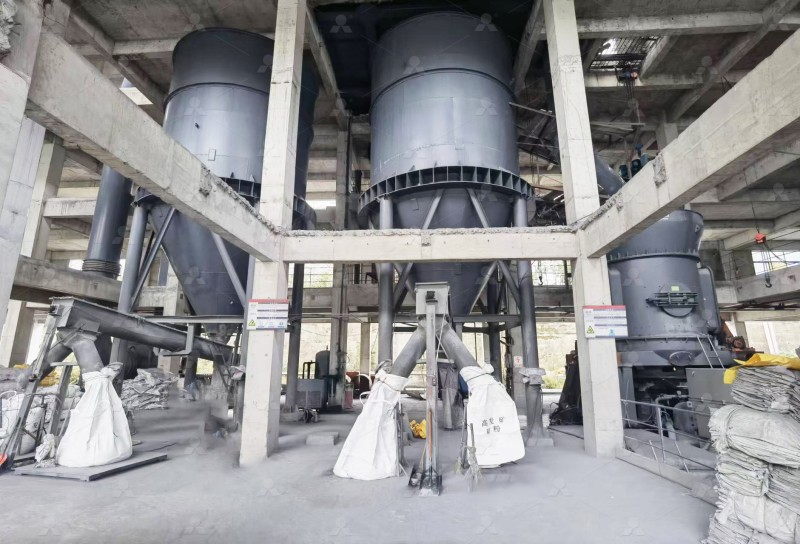
The advantages of this vertical roller mill technology for slag grinding are profound. It integrates multiple steps into a single, compact unit, drastically reducing footprint. The direct grinding of material on the table with rollers is more energy-efficient than the tumbling action of a traditional ball mill, often reducing energy consumption by 30-40%. Furthermore, the short material retention time minimizes over-grinding and allows for quick adjustments to product specifications.
Choosing the Right Technology: Spotlight on LIMING’s LM Vertical Slag Mill
When selecting equipment for slag grinding, reliability, efficiency, and product quality are paramount. LIMING’s LM Vertical Slag Mill is engineered specifically for this demanding application. Integrating drying, grinding, powder selection, and conveying into one robust system, it is the ideal solution for transforming industrial slag into a high-value resource.
The LM Vertical Slag Mill boasts a unique grinding device that achieves the integration of grinding and powder selection, focusing exclusively on the challenges of slag milling. Its vertical structure reduces the covered area by approximately 50% compared to a ball mill system, while its energy consumption is only 30% to 40% of a ball mill’s. Key components are manufactured from high-performance wear-resistant materials, ensuring reliable operation, long service life for wearing parts, and consistently high efficiency. The mill produces finished powder with uniform fineness and a high screening rate, all while operating at relatively low noise levels. For operations focused on cement production, concrete enhancement, or steel slag recycling, the LM Vertical Slag Mill represents a turnkey, high-performance grinding solution.
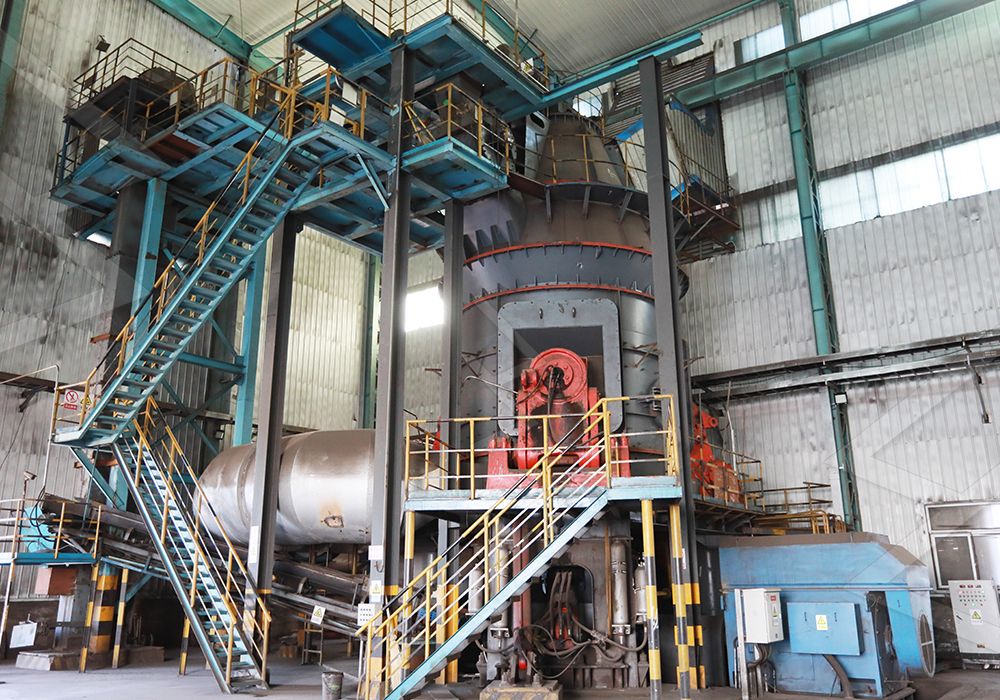
For applications requiring ultra-fine powders from a wider range of materials, including slag, limestone, and calcite, the MW Ultrafine Grinding Mill is another excellent option from LIMING. Designed for customers needing to produce ultra-fine powder between 325-2500 meshes, it features a German-technology cage-type powder selector for precise separation. Its innovative design eliminates rolling bearings and screws in the grinding chamber, removing common failure points and enabling worry-free, continuous 24-hour operation. Equipped with an efficient pulse dust collector and muffler, it ensures an environmentally friendly production process with minimal dust and noise.
Conclusion
The slag grinding mill is a masterpiece of industrial engineering, transforming waste into wealth through a sophisticated process of drying, pressure grinding, and aerodynamic classification. By understanding the principles behind its operation—from the formation of the material bed under the rollers to the precise cut-point of the dynamic classifier—operators and plant managers can maximize throughput, optimize energy use, and guarantee a premium product. Investing in advanced, application-specific technology like vertical roller mills is key to building a sustainable and profitable slag processing operation.
Frequently Asked Questions (FAQs)
1. What is the main advantage of a vertical roller mill over a ball mill for slag grinding?
The primary advantages are significantly lower energy consumption (typically 30-40% less), a much smaller physical footprint, integrated drying capability for moist slag, and shorter material retention time which allows for quicker product adjustment and less over-grinding.
2. How is the fineness of the ground slag controlled in the mill?
Fineness is primarily controlled by the speed of the classifier rotor located at the top of the mill. Increasing the speed allows only finer particles to pass through, resulting in a finer product. Decreasing the speed yields a coarser product. The grinding pressure of the rollers can also be adjusted to influence the grinding efficiency for different material hardnesses.
3. Can the mill handle slag with high moisture content?
Yes, modern vertical slag mills like the LIMING LM model are designed with integrated drying capabilities. Hot gas (up to 450°C) is introduced into the grinding chamber concurrently with the feed material, effectively drying it during the grinding process, making them suitable for slag with considerable moisture.
4. What is the typical particle size range for GGBS produced by these mills?
Ground Granulated Blast Furnace Slag for use in concrete typically has a specific surface area (Blaine) between 400-600 m²/kg. Modern mills can reliably produce powders in this range and finer, with some ultra-fine mills capable of achieving products with 95% of particles less than 10 microns.
5. How is wear managed on the grinding rollers and table?
Critical wear parts like roller shells and table liners are made from high-chromium or other advanced wear-resistant alloys. Designs often feature a reversible roller shell to double service life. Furthermore, hydraulic systems allow the rollers to be easily swung out of the mill for maintenance, reducing downtime for part inspection and replacement.
6. Is dust a major concern with slag grinding mills?
Not with a properly configured system. Modern mills operate under negative pressure, meaning air is drawn into the mill at all potential leak points, preventing dust escape. The final product collection is done via high-efficiency baghouse filters or cyclones, ensuring dust emissions are far below international environmental standards.