
How Does a Ring Roller Mill Work? | Operating Principle Explained
We provide a wide range of mills — including Raymond mill, trapezoidal mill, vertical mill, ultrafine mill, and ball mill, obtained ISO9001 international quality certification, EU CE certification, and Customs Union CU-TR certification. Suitable for processing minerals such as limestone, phosphate, quicklime, kaolin, talc, barite, bentonite, calcium carbonate, dolomite, coal, gypsum, clay, carbon black, slag, cement raw materials, cement clinker, and more.
The discharge range of these mills can be adjusted to meet specific processing needs, typically from 80-400 mesh, 600-3250 mesh, and can achieve the finest particle size of up to 6000 mesh(D50).
If you are looking for a reliable grinding solution to turn stone or minerals into fine powder, please feel free to contact our online customer service.
How Does a Ring Roller Mill Work? | Operating Principle Explained
Ever wondered how industries manage to turn chunks of rock and mineral into the super-fine powders used in everything from cosmetics to concrete? The answer often lies in a workhorse piece of equipment known as a Ring Roller Mill. Let’s break down the operating principle of this fascinating machinery.
The Core Components
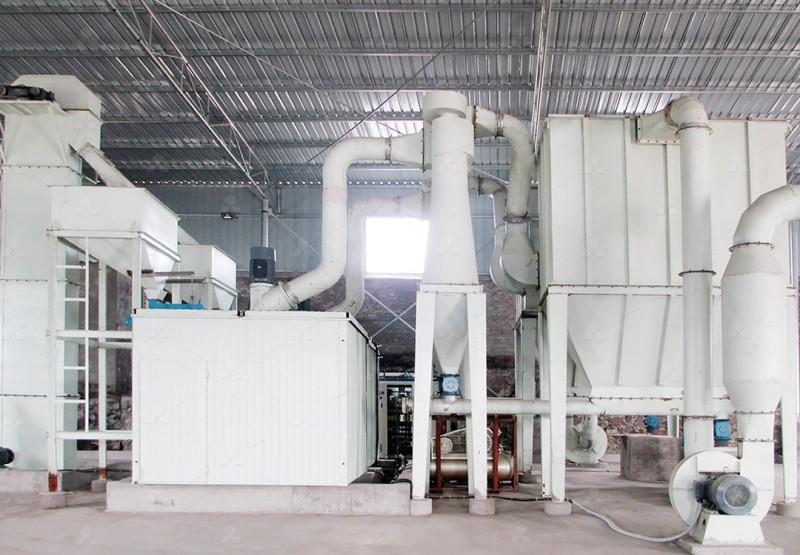
At its heart, a ring roller mill consists of three main parts: the grinding rollers, the stationary grinding ring (or raceway), and a classifier. The matrial is fed into the center of the mill, where it’s distributed onto the grinding ring.
The Grinding Action: Crushing and Grinding
The magic happens when the main motor, connected through a reducer, drives the central shaft and turnplate. This rotation forces the grinding rollers to swing outward due to centrifugal force, pressing tightly against the inner surface of the grinding ring. As the rollers rotate, material is caught between them and the ring, being crushed and ground into finer particles. It’s a combination of immense pressure and shear force that pulverizes the material.
The Airflow and Classification System
This isn’t just about brute force; precision is key. An integral air blower draws air through the mill. This air stream performs two critical functions:
- It cools the system, preventing heat damage to both the machine and the heat-sensitive materials.
- It transports the ground powder upwards to the integral classifier.
The classifier, often a rotating cage or turbine, acts like a precise sieve. It allows only particles that meet the target fineness to pass through and be carried to the collection cyclone. Coarser particles are rejected by the classifier and fall back onto the grinding ring for further grinding. This closed-loop system ensures consistent product quality and high efficiency.
Why Choose a Modern Ring Roller Mill?
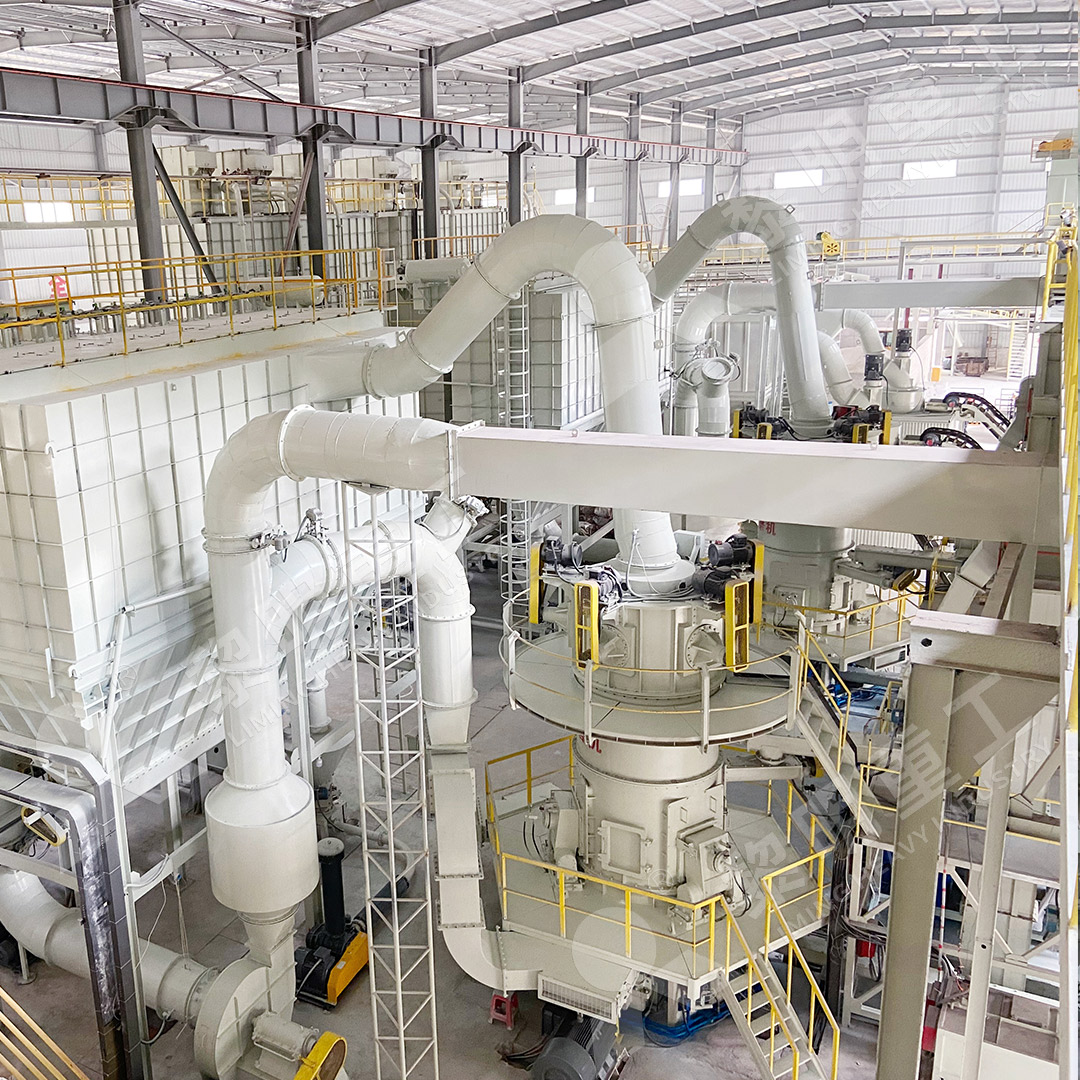
Older milling technologies, like ball mills, are often less efficient and have higher energy consumption. Modern ring roller mills, like our MW Ultrafine Grinding Mill, are engineered for superior performance.
Our MW Ultrafine Grinding Mill is a standout choice for operations requiring ultra-fine powders between 325-2500 meshes. With an input size of 0-20 mm and a capacity range of 0.5-25 tph, it’s incredibly versatile. Its ingenous design eliminates rolling bearings and screws inside the grinding chamber, virtually eradicating worries about bearing failure or loose screws causing downtime. Paired with an efficient pulse dust collector, it operates cleaner and quieter, making it a perfect solution for producing powders for chemicals, paints, cosmetics, and food additives.
For applications demanding even more advanced technology, our LUM Ultrafine Vertical Grinding Mill integrates the latest grinding roller and powder separating technologies. It offers exceptional energy savings of 30%-50% and features a unique reversible structure that makes maintenance and wear-part replacement remarkably easy, significantly reducing shutdown losses.
Conclusion
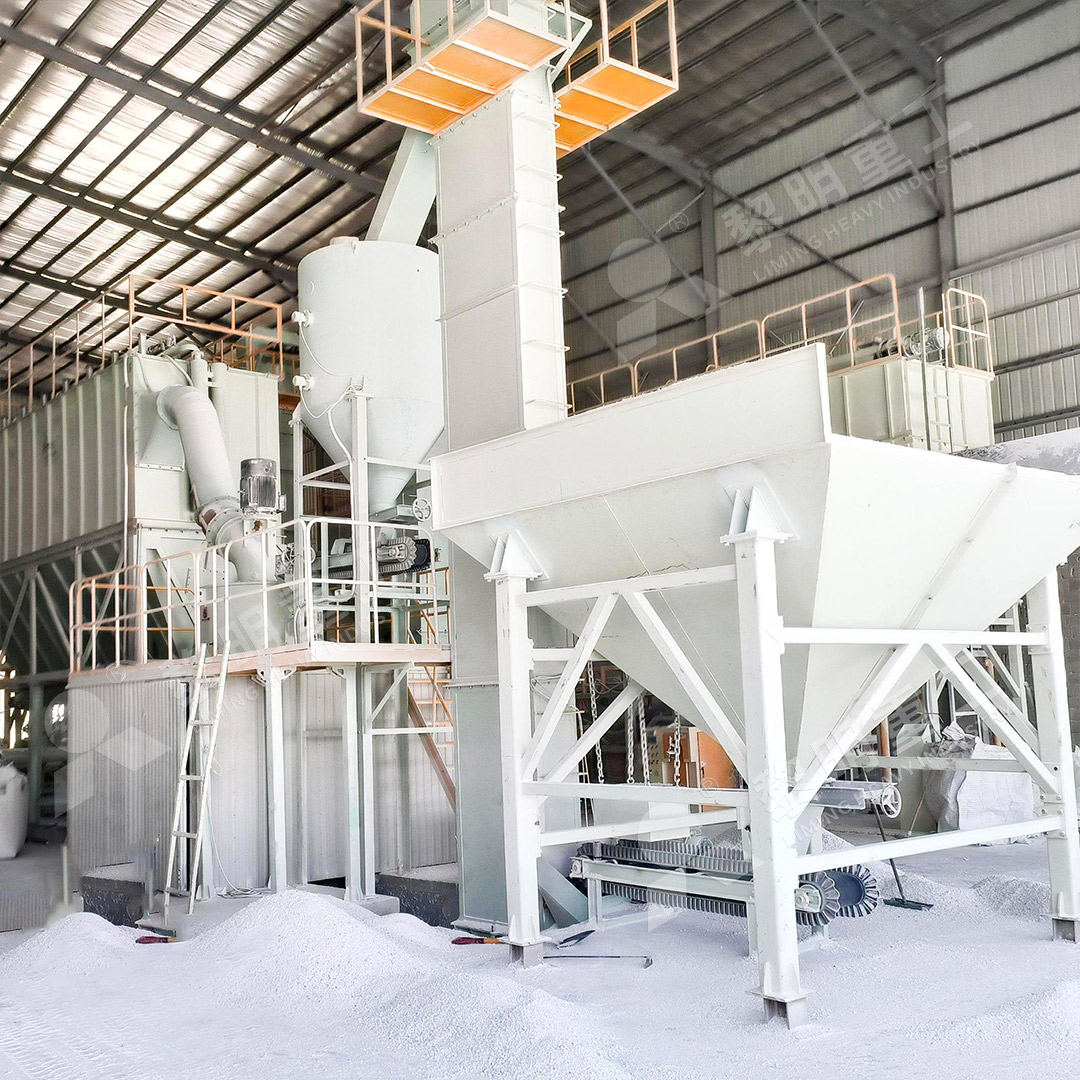
In summary, the ring roller mill operates on a elegant principle of grinding, air transportation, and precise classification. This combination delivers high efficiency, consistent product quality, and operational reliability. For any operation looking to invest in a robust and advanced grinding solution, exploring our MW and LUM series mills is a step towards greater productivity and lower operating costs.