
How Does a Raw Mill Work in a Cement Plant? – Complete Process Explanation
We provide a wide range of mills — including Raymond mill, trapezoidal mill, vertical mill, ultrafine mill, and ball mill, obtained ISO9001 international quality certification, EU CE certification, and Customs Union CU-TR certification. Suitable for processing minerals such as limestone, phosphate, quicklime, kaolin, talc, barite, bentonite, calcium carbonate, dolomite, coal, gypsum, clay, carbon black, slag, cement raw materials, cement clinker, and more.
The discharge range of these mills can be adjusted to meet specific processing needs, typically from 80-400 mesh, 600-3250 mesh, and can achieve the finest particle size of up to 6000 mesh(D50).
If you are looking for a reliable grinding solution to turn stone or minerals into fine powder, please feel free to contact our online customer service.
How Does a Raw Mill Work in a Cement Plant?
Raw milling is a critical process in cement manufacturing, where raw materials like limestone, clay, and iron ore are ground into a fine powder called “raw meal.” This powder is then heated in a kiln to produce clinker, the key ingredient in cement. Let’s break down how a raw mill operates in a cement plant.
1. Raw Material Preparation
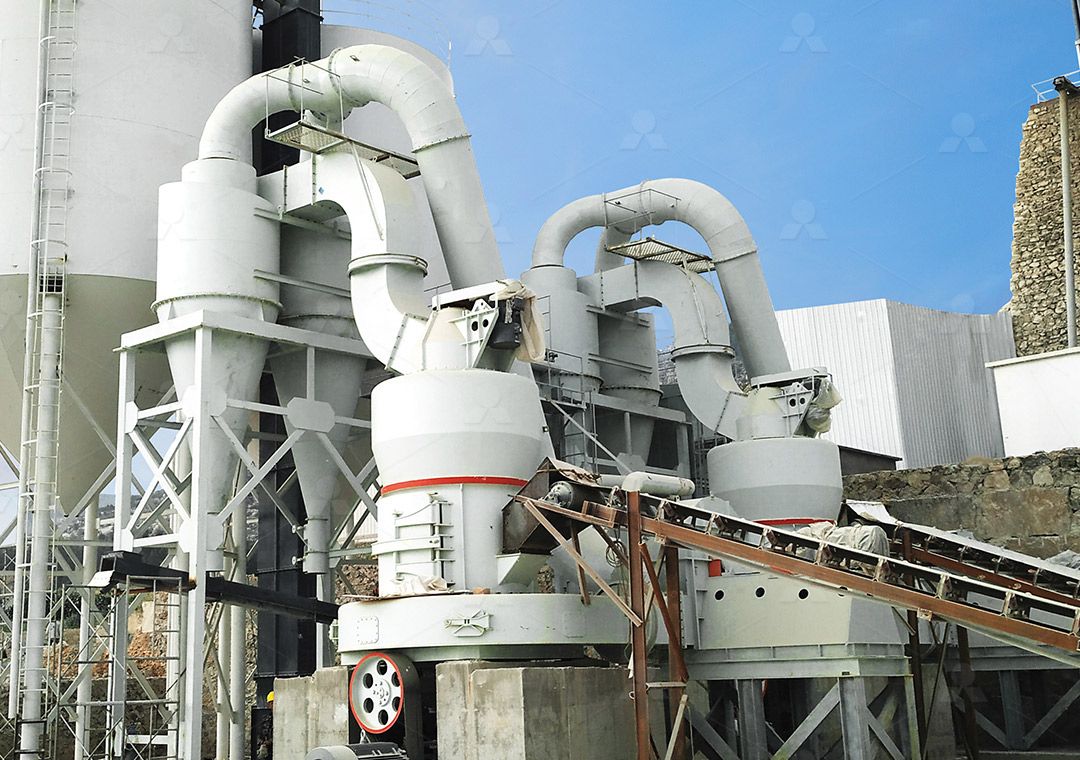
Before entering the raw mill, materials are crushed to a size of 0-20mm (or smaller, depending on the mill type). Our MW Ultrafine Grinding Mill excels here, handling inputs up to 20mm with a capacity of 0.5-25 tph. Its advanced grinding curves and cage-type powder selector ensure efficient pre-grinding.
2. Grinding Process
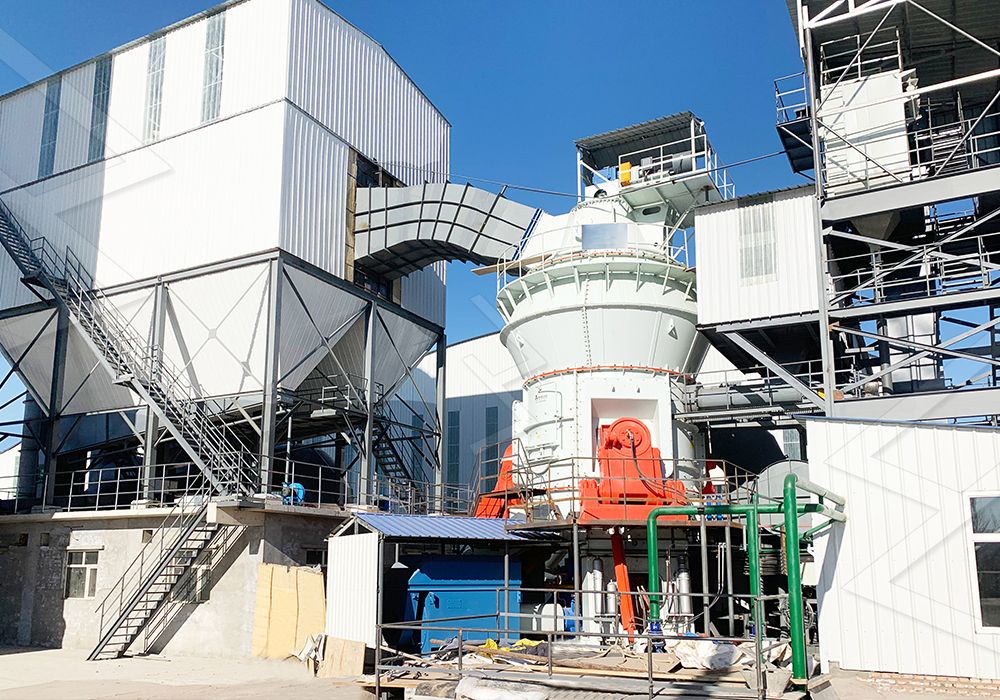
The heart of the raw mill is its grinding chamber. Materials are fed centrally onto a rotating grinding table. Rollers or balls exert pressure, crushing particles against the table. Key features of modern mills include:
- Energy Efficiency: Vertical mills (like our LUM Ultrafine Vertical Grinding Mill) save 30-50% energy vs. ball mills.
- Adjustable Fineness: Powder separators classify particles, sending coarse material back for regrinding.
3. Drying & Transport
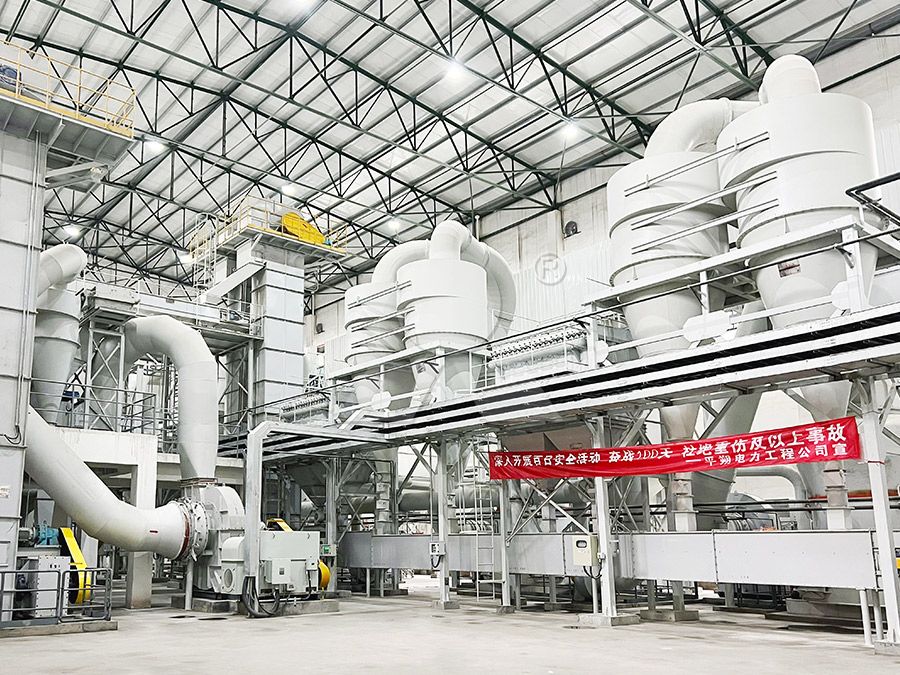
Hot gases from the kiln preheat system dry the raw meal during grinding. The fine powder is carried by airflow to a cyclone collector, while oversized particles recycle. Our mills integrate pulse dust collectors (e.g., MW Mill’s eco-friendly dust removal) to minimize pollution.
4. Final Product Storage
The homogenized raw meal is stored in silos before kiln feeding. Consistent fineness (325-2500 mesh) is ensured by technologies like the MW Mill’s German-designed powder selector.
Why Choose Our Grinding Mills?
For cement plants seeking reliability and efficiency, our MW Ultrafine Grinding Mill and LUM Vertical Mill offer:
- 40% higher yield than jet mills.
- No rolling bearings in the grinding chamber (reducing maintenance).
- Fully automated, precision-engineered operation.
Upgrade your raw milling process with LIMING’s cutting-edge technology today!