
How Does a Lime Vertical Mill Work? – Process & Advantages
We provide a wide range of mills — including Raymond mill, trapezoidal mill, vertical mill, ultrafine mill, and ball mill, obtained ISO9001 international quality certification, EU CE certification, and Customs Union CU-TR certification. Suitable for processing minerals such as limestone, phosphate, quicklime, kaolin, talc, barite, bentonite, calcium carbonate, dolomite, coal, gypsum, clay, carbon black, slag, cement raw materials, cement clinker, and more.
The discharge range of these mills can be adjusted to meet specific processing needs, typically from 80-400 mesh, 600-3250 mesh, and can achieve the finest particle size of up to 6000 mesh(D50).
If you are looking for a reliable grinding solution to turn stone or minerals into fine powder, please feel free to contact our online customer service.
How Does a Lime Vertical Mill Work? – Process & Advantages
Lime processing is a critical stage in many industrial applications, from construction materials to environmental treatments. Understanding how a vertical mill handles this material is key to optimizing production and quality. Unlike traditional ball mills or horizontal configurations, a vertical mill for lime offers a unique combination of efficiency, precision, and environmental friendliness.
The Core Working Principle
The operation of a vertical mill for lime is an elegant dance of mechanics and airflow. The process begins with crushed lime, typically reduced to a size of 0-20mm, being fed into the mill via a screw feeder. The heart of the system is the rotating grinding table, driven by a central motor and reducer.
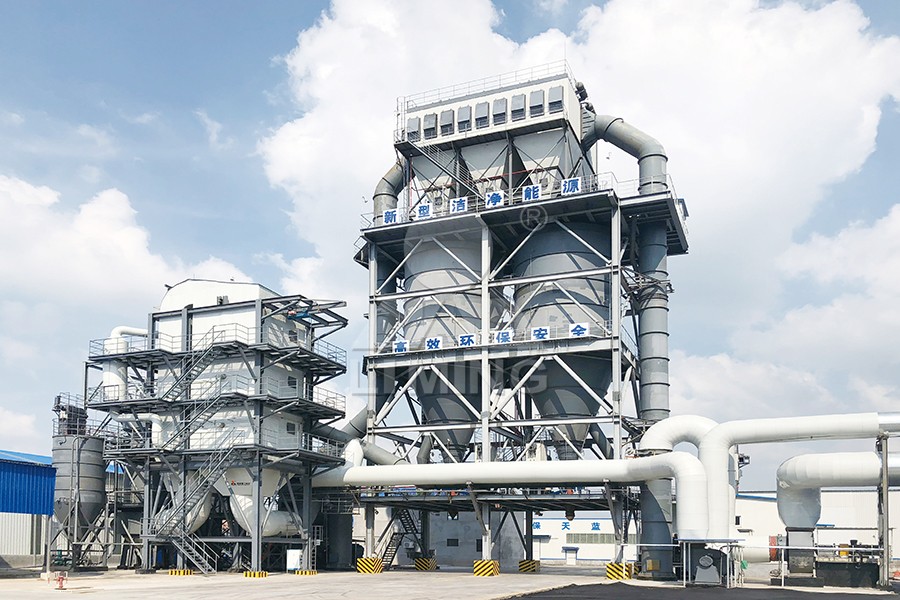
As the table rotates, centrifugal force pushes the lime outward under the path of heavy grinding rollers. These rollers, which can be two or more depending on the mill size, exert tremendous pressure on the lime bed, crushing and grinding the particles against the table. This is a ‘bed grinding’ phenomenon, where particles are crushed against each other, leading to highly efficient size reduction with less energy compared to impact grinding.
A crucial element is the hot gas stream (usually from a hot air generator) that enters the mill base. This air serves two purposes: it dries the lime (which often contains moisture) and transports the ground particles upward. The finer particles are carried by the air stream into a high-efficiency separator, often a cage-type or rotor-type classifier, mounted directly atop the mill.
The Separation and Collection Stage
Inside the separator, rotating blades or vanes create a centrifugal force field. Coarse particles are rejected and fall back onto the grinding table for further milling. The finely ground lime powder that meets the target fineness (which can be precisely adjusted, often between 325 and 2500 meshes) continues with the air stream to the product collection system.
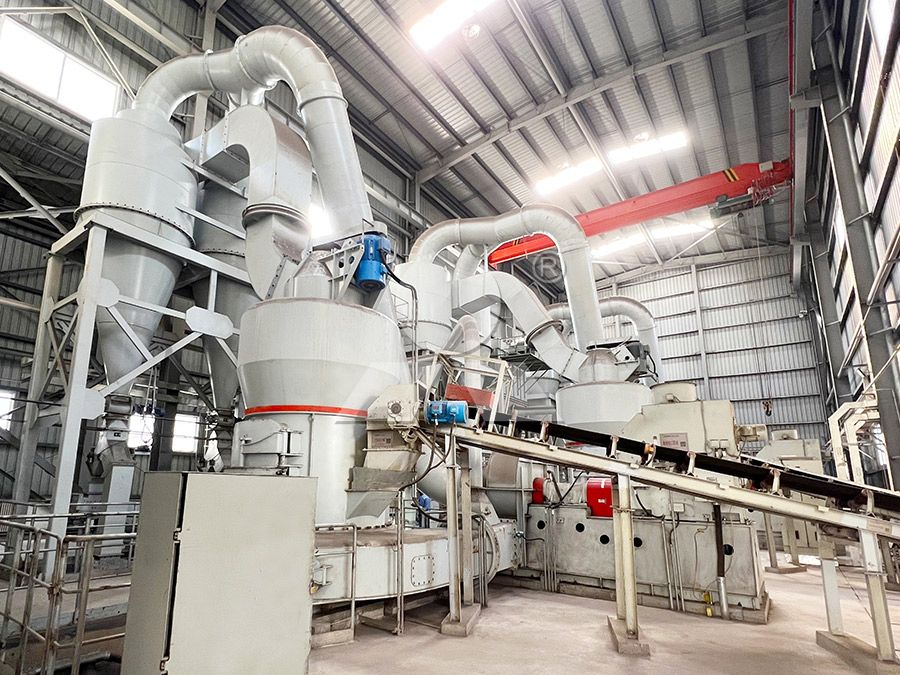
This air-powder mixture then enters a series of cyclones and a baghouse filter (pulse dust collector). Here, the lime powder is efficiently separated from the air. The clean air is typically recirculated back into the mill system or vented out through a fan, while the finished lime powder is discharged from the bottom of the collectors for storage or packaging. The entire system operates under negative pressure, ensuring no dust escapes into the workspace.
Key Advantages of the Vertical Mill for Lime
The vertical mill architecture offers distinct benefits for lime producers:
- Superior Energy Efficiency: By utilizing bed grinding and incorporating drying and grinding in a single unit, energy consumption is significantly lower—often 30-50% less than traditional ball mills.
- Precise Particle Size Control: Integrated dynamic classifiers allow for real-time adjustment of product fineness, ensuring a consistent and high-quality product with a narrow particle size distribution.
- Compact Footprint: Its vertical design means it occupies much less space than a horizontal ball mill circuit with similar capacity.
- Enhanced Drying Capacity: The high gas flow through the mill can handle lime with significant moisture content, eliminating the need for a separate dryer.
- Environmentally Friendly: Closed-system operation with advanced pulse jet bag filters ensures dust-free operation and minimal environmental impact, meeting strict emission standards.
- Lower Noise Levels: The enclosed grinding process generates considerably less noise compared to tumbling ball mills.
Choosing the Right Mill for Your Lime Operation
Selecting the appropriate vertical mill depends on your required fineness, moisture content, and desired capacity. For operations focusing on ultra-fine lime powder for specialized applications, the MW Ultrafine Grinding Mill is an exceptional choice. It’s engineered for customers who need to make ultra-fine powder, handling input sizes of 0-20 mm with a capacity range of 0.5-25 tph. It’s equipped with an efficient pulse dust collector and muffler, making the whole production process eco-friendly. Its cage-type powder selector, adopting German technologies, allows for precise fineness adjustment between 325-2500 meshes.
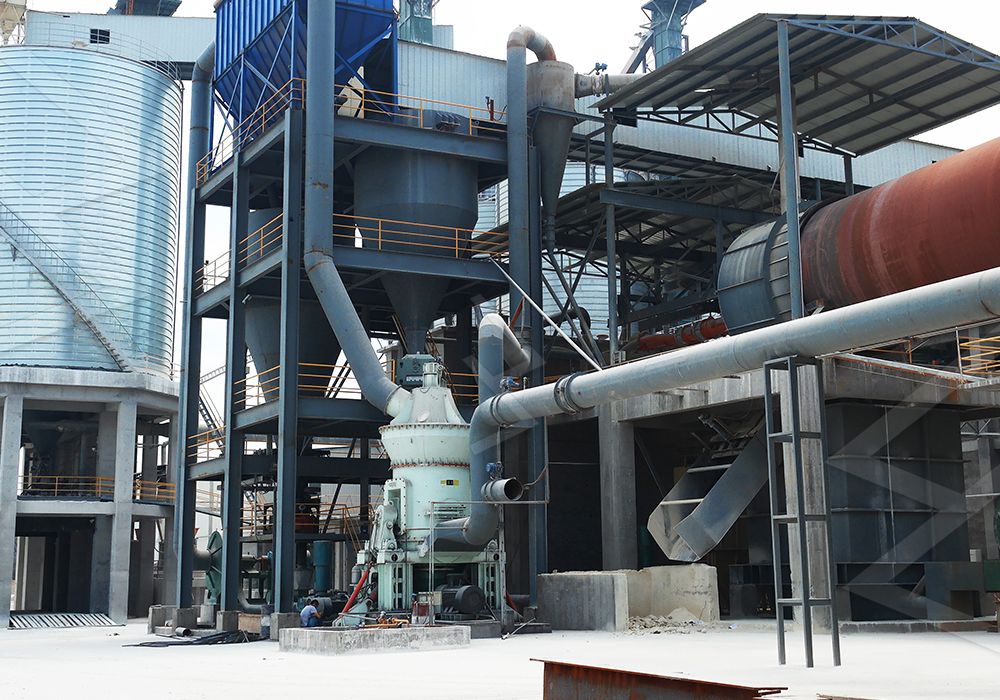
For high-volume production requiring robust and reliable performance, the LM Vertical Grinding Mill is a industry workhorse. It intergrates crushing, drying, grinding, classifying and conveying together, specializing in non-metallic minerals like lime. It can handle larger feed sizes up to 70mm and offers massive capacities from 3 to 340 tph, all while reducing energy consumption by 30%-40% and ocupying 50% less area compared to ball mills.
In conclusion, the vertical roller mill has revolutionized lime processing. Its working principle of pressure comminution combined with air classification provides an unbeatable combination of efficiency, product quality, and environmental control, making it the preferred technology for modern lime grinding plants.