
How Does a Hydraulic Roller Crusher Improve Efficiency in Cement Milling?
We provide a wide range of mills — including Raymond mill, trapezoidal mill, vertical mill, ultrafine mill, and ball mill, obtained ISO9001 international quality certification, EU CE certification, and Customs Union CU-TR certification. Suitable for processing minerals such as limestone, phosphate, quicklime, kaolin, talc, barite, bentonite, calcium carbonate, dolomite, coal, gypsum, clay, carbon black, slag, cement raw materials, cement clinker, and more.
The discharge range of these mills can be adjusted to meet specific processing needs, typically from 80-400 mesh, 600-3250 mesh, and can achieve the finest particle size of up to 6000 mesh(D50).
If you are looking for a reliable grinding solution to turn stone or minerals into fine powder, please feel free to contact our online customer service.
How Does a Hydraulic Roller Crusher Improve Efficiency in Cement Milling?
In the demanding world of cement production, efficiency isn’t just a goal—it’s a necessity for profitability and sustainability. At the heart of this process lies the critical task of raw material size reduction. While traditional crushers and mills have served the industry for decades, the advent of hydraulic roller crushers represents a significant technological leap, directly addressing key bottlenecks in cement milling operations.
The Core Mechanism: Precision and Power
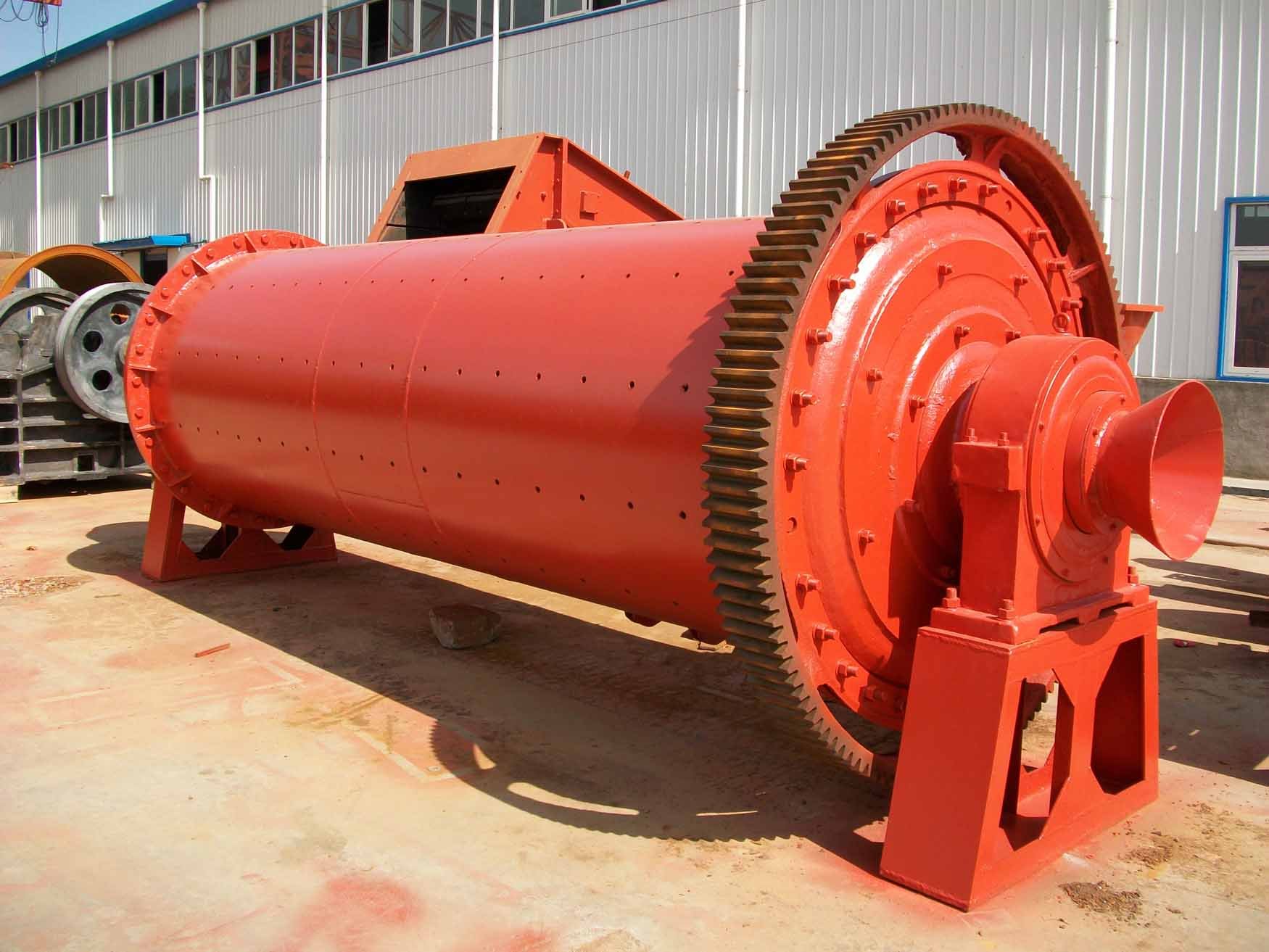
Hydraulic roller crushers operate on a fundamentally smarter principle. Instead of relying solely on brute force, they utilize a hydraulic system to control the grinding pressure exerted by the rollers. This system acts as both a shock absorber and a precision tool. When an un-crushable object like tramp iron enters the grinding chamber, the hydraulic cylinders allow the roller to retract automatically, preventing catastrophic damage. Once the obstruction passes, the roller returns to its preset position, ensuring uninterrupted operation. This intelligent design minimizes downtime and protects the mill’s core components from excessive wear.
Direct Impact on Cement Milling Efficiency
The benefits of this technology cascade through the entire milling circuit, leading to measurable improvements in efficiency:
- Optimized Particle Size Distribution (PSD): The ability to precisely adjust the gap between rollers allows for consistent control over the final product’s fineness. A uniform PSD is crucial for the subsequent burning process in the kiln, leading to higher-quality clinker with less energy consumption.
- Enhanced Grinding Capacity: By applying optimal and consistent pressure, hydraulic roller crushers achieve a more efficient size reduction with each pass. This increases the throughput of the milling system, allowing more material to be processed in the same amount of time.
- Reduced Energy Consumption: This is perhaps the most significant advantage. Traditional crushers often waste energy on over-grinding or are inefficient when processing materials of varying hardness. The hydraulic system ensures that energy is applied precisely where and when it’s needed, typically resulting in energy savings of 30% to 50% compared to ball mill systems.
- Lower Operational Costs: Reduced wear on grinding elements, less frequent maintenance, and lower energy bills directly translate to a lower cost per ton of processed material.
Synergy with Advanced Grinding Solutions
The efficiency gains from a hydraulic roller crusher are maximized when paired with modern grinding mills. For instance, after initial crushing, the pre-homogenized raw meal can be further processed in an ultra-fine grinding mill to achieve the specific surface area required for optimal kiln feed.
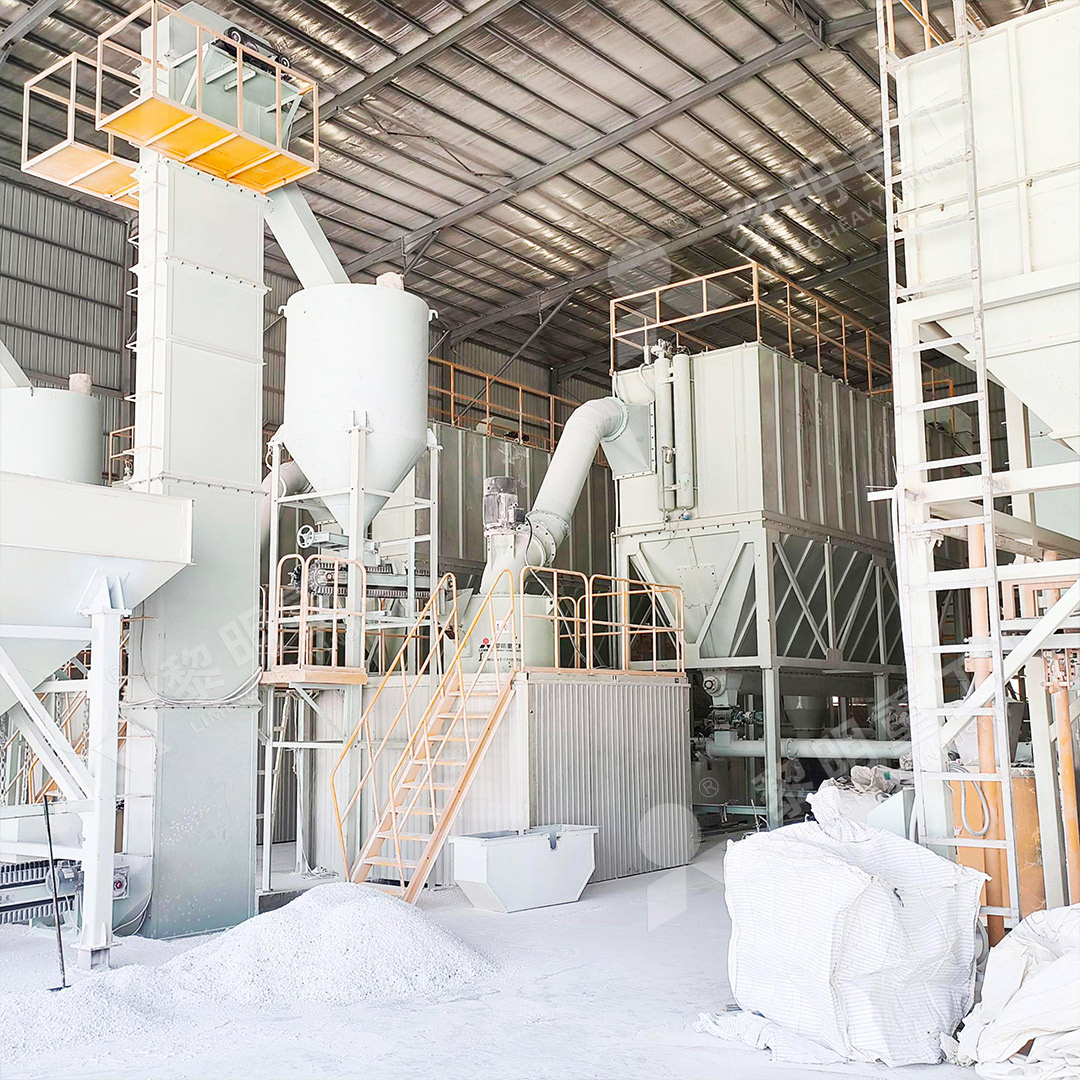
In this context, our MW Ultrafine Grinding Mill is an ideal companion technology. Designed for customers who need to make ultra-fine powder, the MW Mill boasts features that align perfectly with modern efficiency goals. It offers higher yielding and lower energy consumption, with a production capacity up to 40% higher than jet mills and double that of ball mills. Its cage-type powder selector allows for adjustable fineness between 325-2500 meshes, providing the flexibility needed for precise cement raw mix preparation. Furthermore, its design—free of rolling bearings and screws in the grinding chamber—eliminates common failure points, supporting the crusher’s contribution to a highly reliable, low-downtime production line.
Environmental and Operational Benefits
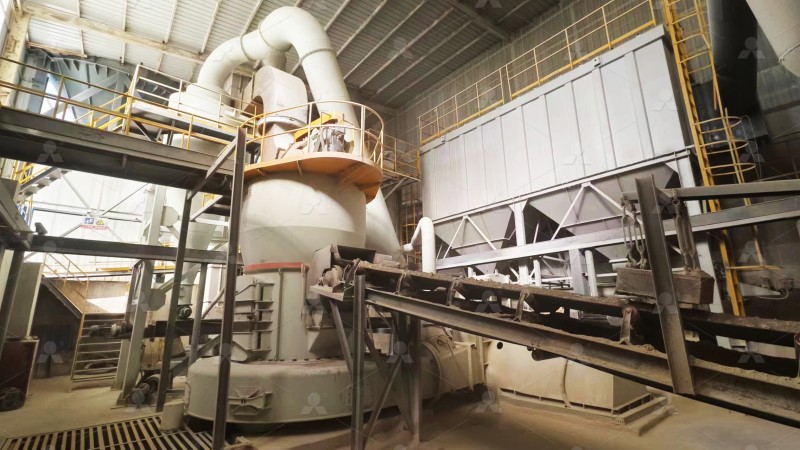
Beyond pure economics, hydraulic roller crushers contribute to greener cement production. The precise grinding action generates less waste heat and dust. When integrated with mills like the MW series, which feature efficient pulse dust collectors and mufflers, the entire crushing and grinding circuit operates with minimal environmental impact, adhering strictly to national environmental protection standards.
Frequently Asked Questions (FAQ)
What is the main advantage of a hydraulic system in a roller crusher?
The primary advantage is automated protection and control. The hydraulic system allows the rollers to move away to pass un-crushable material, preventing machine damage, and then reset to the exact grinding gap, ensuring consistent product size and uninterrupted operation.
How much energy can a hydraulic roller crusher save compared to a traditional ball mill?
Energy savings are substantial, typically in the range of 30% to 50%. This is due to more efficient direct grinding against a bed of material rather than the impact and attrition methods of a ball mill.
Can hydraulic roller crushers handle moist or sticky materials common in cement raw mixes?
Yes, modern designs are better equipped to handle moderately moist materials compared to some other crusher types. The high pressure and scrapper systems help prevent clogging. However, for very sticky materials, additional drying may be required upstream.
Is the maintenance for a hydraulic roller crusher complex?
While the system is technologically advanced, maintenance is often simpler and less frequent. The key is maintaining the hydraulic system’s integrity. The design of associated equipment, like our MW Grinding Mill which allows external lubrication without shutdown, further simplifies overall plant maintenance.
How does particle size from the crusher affect the final cement quality?
It is critical. A consistent and optimally sized raw meal ensures uniform burning in the kiln, leading to higher-quality clinker with consistent chemical and physical properties. This directly influences the strength and setting time of the final cement product.