How Does a Horizontal Coal Mill Work in a Thermal Power Plant?
We provide a wide range of mills — including Raymond mill, trapezoidal mill, vertical mill, ultrafine mill, and ball mill, obtained ISO9001 international quality certification, EU CE certification, and Customs Union CU-TR certification. Suitable for processing minerals such as limestone, phosphate, quicklime, kaolin, talc, barite, bentonite, calcium carbonate, dolomite, coal, gypsum, clay, carbon black, slag, cement raw materials, cement clinker, and more.
The discharge range of these mills can be adjusted to meet specific processing needs, typically from 80-400 mesh, 600-3250 mesh, and can achieve the finest particle size of up to 6000 mesh(D50).
If you are looking for a reliable grinding solution to turn stone or minerals into fine powder, please feel free to contact our online customer service.
How Does a Horizontal Coal Mill Work in a Thermal Power Plant?
In the heart of a thermal power plant, the coal mill plays a crucial role in converting raw coal into the fine powder necessary for efficient combustion. This process is vital for generating the steam that drives turbines and produces electricity. Let’s dive into the workings of a horizontal coal mill, a common type used in many power plants.
The Basics of Horizontal Coal Milling
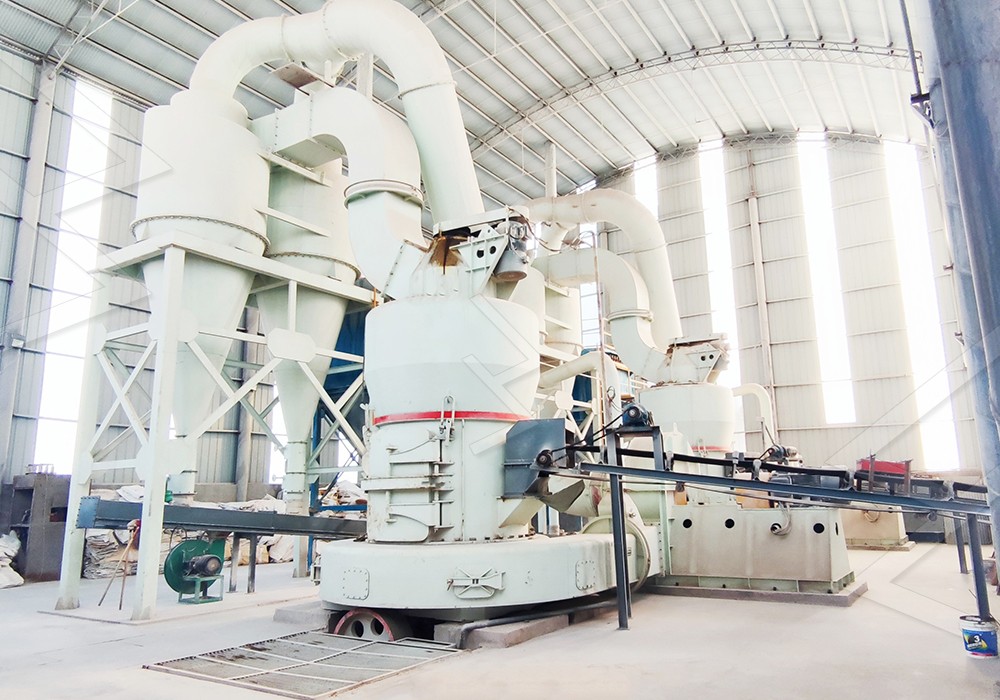
A horizontal coal mill, often referred to as a ball mill or Raymond mill in some contexts, operates on a relatively straightforward principle. Raw coal, crushed to a size of less than 25 mm, is fed into the mill through a vibrating feeder. Inside the mill, the coal is pulverized between grinding rollers and a rotating grinding table or ring. The centrifugal force generated by the rotation causes the coal to move outward, where it is ground into fine powder by the rollers.
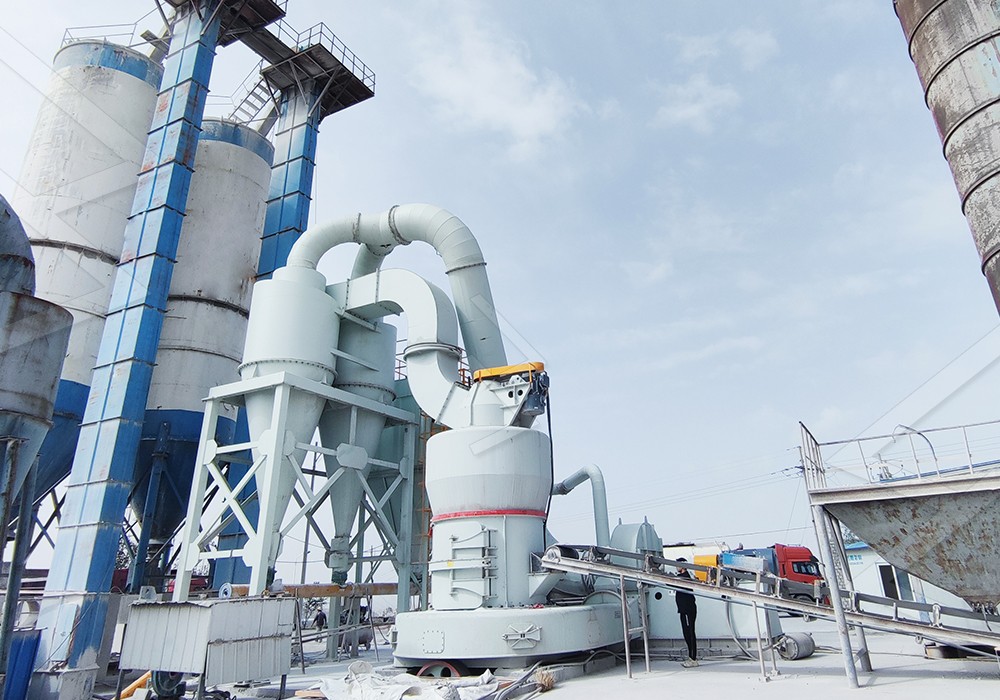
Once the coal is ground, an air stream generated by a blower carries the fine powder through a classifier. Here, larger particles are separated and returned for further grinding, while the fine powder is transported to the burners for combustion. This entire process is enclosed to prevent dust emissions, with modern mills incorporating efficient dust collection systems to meet environmental standards.
Key Components and Their Functions
The main components of a horizontal coal mill include the grinding chamber, grinding rollers, classifier, blower, and dust collector. The grinding rollers, often made from wear-resistant materials, apply pressure to the coal against the grinding table, ensuring efficient pulverization. The classifier ensures that only finely ground coal particles proceed to the next stage, maintaining consistency in particle size for optimal combustion.
One critical aspect is the mill’s ability to handle varying coal qualities and moisture levels. Advanced mills are designed with drying capabilities, using hot air from the plant’s exhaust gases to dry the coal during grinding, which enhances efficiency and prevents clogging.
Enhancing Efficiency with Modern Technology
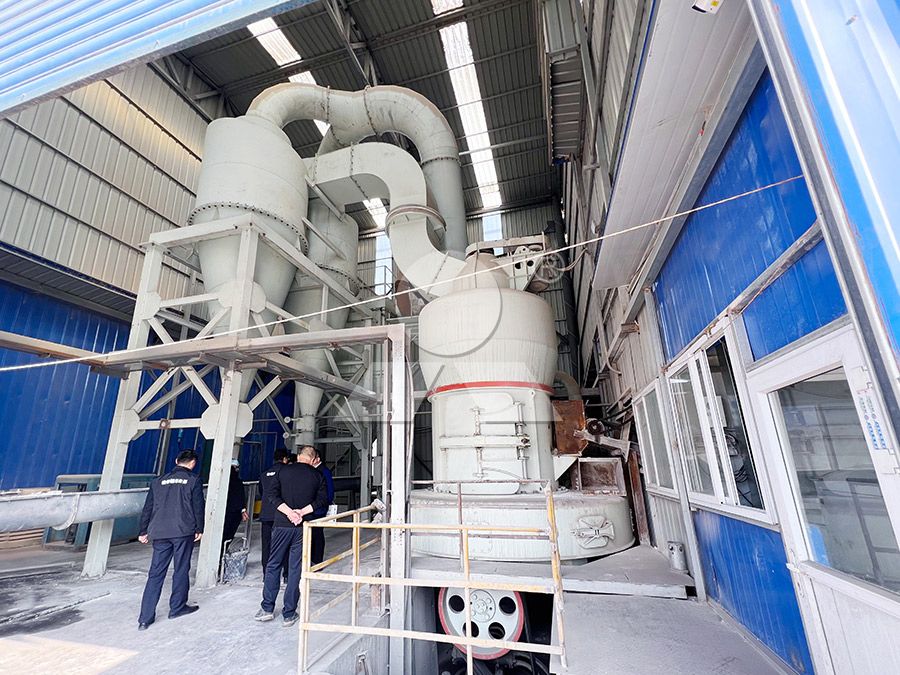
While traditional horizontal mills are effective, advancements in grinding technology have led to more efficient solutions. For instance, our MW Ultrafine Grinding Mill offers significant improvements for power plants seeking higher efficiency and lower environmental impact. With an input size of 0-20 mm and capacity ranging from 0.5 to 25 tph, this mill is ideal for producing ultra-fine coal powder. Its innovative design features higher yielding and lower energy consumption—up to 40% higher capacity than jet mills and 30% lower energy use. Additionally, the mill’s pulse dust collector and muffler reduce dust and noise, aligning with strict environmental standards.
Another excellent option is the LM Vertical Coal Mill, which integrates drying, grinding, and classification in a compact system. It reduces energy consumption by 40-50% compared to ball mills and offers stable operation with minimal maintenance. Its vertical design saves space, making it suitable for both new installations and retrofits in existing plants.
Conclusion
Horizontal coal mills are indispensable in thermal power plants, ensuring that coal is finely ground for efficient combustion. While traditional mills remain in use, modern alternatives like the MW Ultrafine Grinding Mill and LM Vertical Coal Mill provide enhanced efficiency, lower operating costs, and better environmental performance. For power plants aiming to optimize their operations, upgrading to these advanced mills can lead to significant benefits in productivity and sustainability.