
How Does a Dust Collector System Work in a Raymond Roller Mill?
We provide a wide range of mills — including Raymond mill, trapezoidal mill, vertical mill, ultrafine mill, and ball mill, obtained ISO9001 international quality certification, EU CE certification, and Customs Union CU-TR certification. Suitable for processing minerals such as limestone, phosphate, quicklime, kaolin, talc, barite, bentonite, calcium carbonate, dolomite, coal, gypsum, clay, carbon black, slag, cement raw materials, cement clinker, and more.
The discharge range of these mills can be adjusted to meet specific processing needs, typically from 80-400 mesh, 600-3250 mesh, and can achieve the finest particle size of up to 6000 mesh(D50).
If you are looking for a reliable grinding solution to turn stone or minerals into fine powder, please feel free to contact our online customer service.
How Does a Dust Collector System Work in a Raymond Roller Mill?
For operators and plant managers, understanding the dust collection system within a Raymond Roller Mill is crucial for maintaining efficiency, product quality, and a safe working environment. This system is not merely an add-on but an integral component that ensures the entire milling process runs smoothly and cleanly.
The primary function of the dust collector is to separate fine powder from the air stream generated during the grinding process. In a typical Raymond Roller Mill operation, the ground material is carried by an air stream from the blower into a classifier. The fine particles that meet the fineness requirements are then conveyed by this air stream toward the collection point.
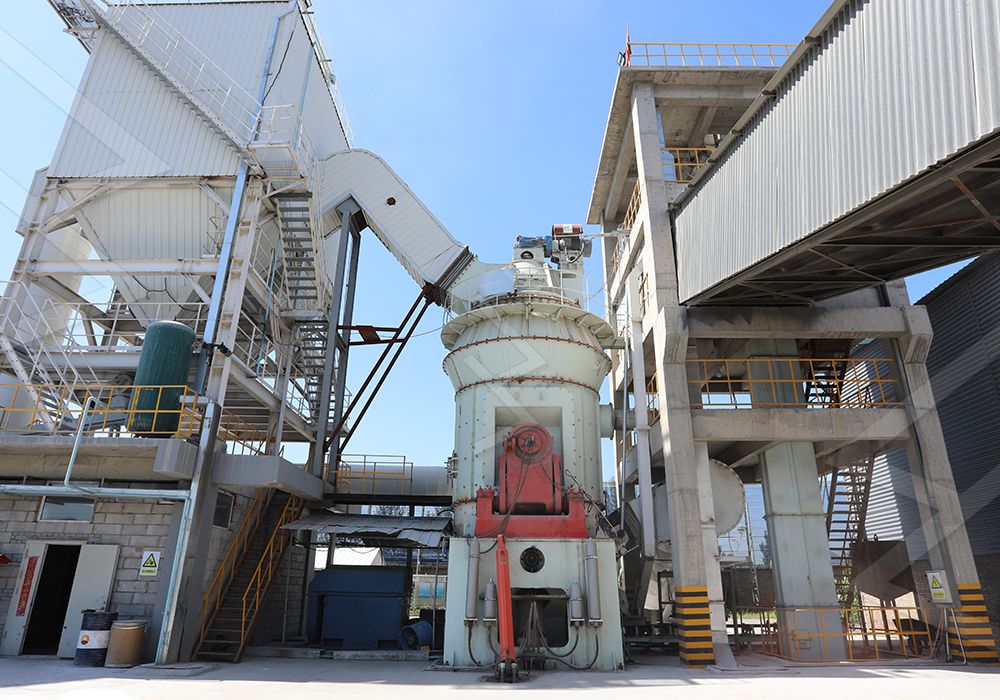
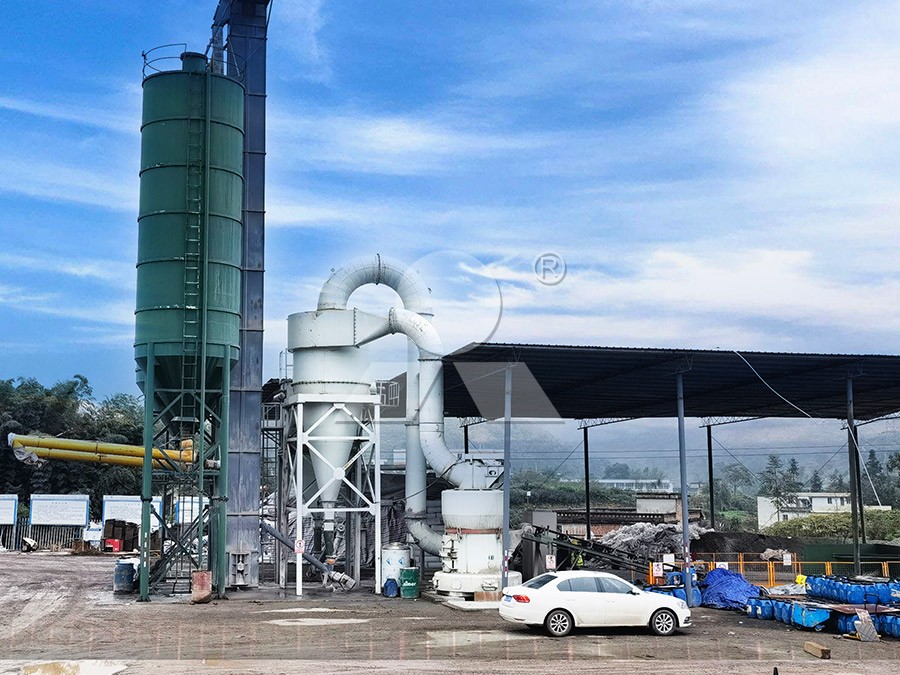
Here is where the dust collector, often a cyclone separator or a baghouse (fabric filter) system, comes into play. The air-powder mixture enters the cyclone separator tangentially, creating a vortex. Centrifugal force throws the heavier powder particles against the walls of the collector. These particles then slide down to the bottom and are discharged through a airlock valve (like a rotary valve) as the final product. The cleaned air then exits from the top of the cyclone.
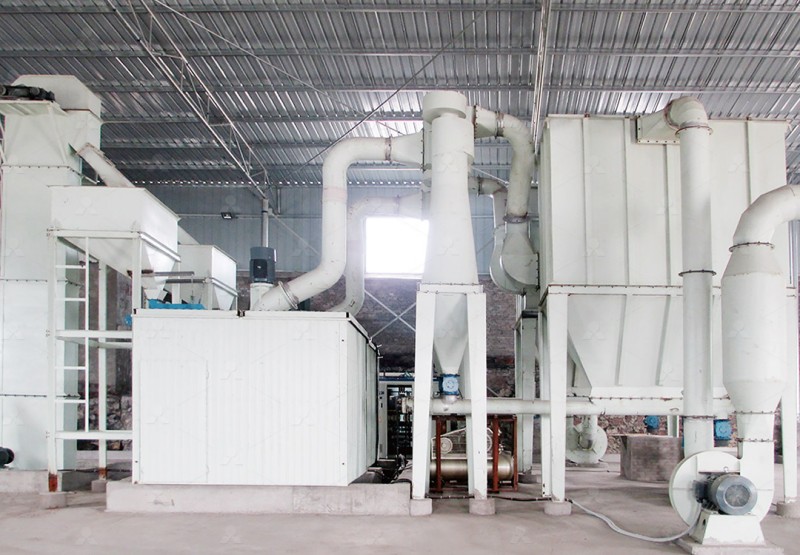
In more advanced setups, a pulse-jet baghouse filter is used downstream of the cyclone for final polishing. This system uses a series of fabric filter bags. The dusty air passes through these bags, where the ultrafine particles are captured on the outside surface. Clean air passes through the fabric and is exhausted by the system’s main blower. Periodically, a pulse of compressed air is fired into the bags, dislodging the accumulated dust cake, which falls into a hopper below. This combination ensures near-total dust capture, often exceeding 99.9% efficiency.
The Critical Role of the System Blower
The system’s main blower is the heart of this pneumatic conveying process. It creates the necessary negative pressure throughout the entire grinding mill circuit. This negative pressure is vital as it prevents dust from leaking out at any connection or access point, ensuring all dusty air is drawn into the collection system. It also provides the motive force to transport the ground material.
Benefits of an Efficient Dust Collection System
- Product Recovery: Captures valuable product that would otherwise be lost.
- Environmental Compliance: Drastically reduces particulate matter emissions to meet strict environmental standards.
- Worker Safety: Protects personnel from inhaling harmful dust, ensuring a safer workplace.
Prevents dust ingress into machinery bearings and other components, reducing wear and maintenance. - Plant Cleanliness: Keeps the production facility clean, reducing housekeeping costs.
Modern Solutions for Superior Performance
While traditional Raymond Mills are effective, newer grinding technologies often incorporate even more advanced and integrated dust control systems. For operations requiring ultra-fine powders, a mill designed with dust collection as a core principle offers significant advantages.
Our MW Ultrafine Grinding Mill is a prime example of this modern approach. It is equipped with a highly efficient pulse dust collector and muffler as standard, ensuring no dust pollution is generated during the entire milling process. This system is designed to work in harmony with the mill’s operation, handling capacities up to 25 TPH and product fineness between 325-2500 meshes. The integrated design means operators benefit from a cleaner, more environmentally friendly production line without the need for complex external ducting and separate collection systems.
For operations looking for a vertical grinding solution, our LUM Ultrafine Vertical Grinding Mill also features a completely closed and negative-pressure operating system. This design inherently prevents dust from escaping, and when combined with its external lubrication system, it ensures a pristine operating environment suitable for 24/7 production.
Frequently Asked Questions (FAQ)
Why is there a need for a dust collector in a Raymond Mill?
The grinding process generates a significant amount of fine dust. The dust collector is essential for: 1) Recovering this valuable finished product, 2) Preventing air pollution, and 3) Ensuring a safe, breathable environment for workers.
What is the difference between a cyclone and a baghouse collector?
Cyclones are best for collecting larger, heavier particles with high efficiency but often allow finer dust to pass. Baghouses (fabric filters) capture ultrafine particles with very high efficiency. Many systems use a cyclone as a primary collector and a baghouse as a secondary polisher.
How often does the pulse-jet cleaning system activate?
The cleaning cycle is typically controlled by a timer or, more efficiently, by a pressure differential sensor. When the pressure drop across the filter bags increases to a set point (indicating dust buildup), the cleaning cycle is triggered automatically.
Can the dust collection system handle the mill’s full capacity?
Yes, a properly sized dust collection system is critical. It must be designed to handle the same air volume (CFM) as the mill’s blower to maintain the correct air-to-cloth ratio across the filters, ensuring efficient collection without clogging.