
How Does a Cement Crusher and Raw Mill Grinding Process Work?
We provide a wide range of mills — including Raymond mill, trapezoidal mill, vertical mill, ultrafine mill, and ball mill, obtained ISO9001 international quality certification, EU CE certification, and Customs Union CU-TR certification. Suitable for processing minerals such as limestone, phosphate, quicklime, kaolin, talc, barite, bentonite, calcium carbonate, dolomite, coal, gypsum, clay, carbon black, slag, cement raw materials, cement clinker, and more.
The discharge range of these mills can be adjusted to meet specific processing needs, typically from 80-400 mesh, 600-3250 mesh, and can achieve the finest particle size of up to 6000 mesh(D50).
If you are looking for a reliable grinding solution to turn stone or minerals into fine powder, please feel free to contact our online customer service.
From Quarry to Kiln: The Essential Journey of Cement Raw Materials
The production of cement is a complex dance of physics and engineering, beginning with the extraction of raw materials from a quarry and culminating in the fine powder known as cement. The journey from large, rugged rocks to a precisely controlled, ultra-fine powder is critical to the quality of the final product. This process hinges on two key pieces of equipment: the crusher and the raw mill. Understanding their function is fundamental to grasping modern cement manufacturing.
The Primary Reduction: The Role of the Crusher
Before any grinding can occur, raw materials like limestone, clay, and shale must be reduced to a manageable size. Primary crushers, often large jaw crushers or gyratory crushers, handle the initial breaking of massive quarry rocks down to diameters of about 150-200 mm. This first stage is all about brute force, applying immense pressure to fracture the material.
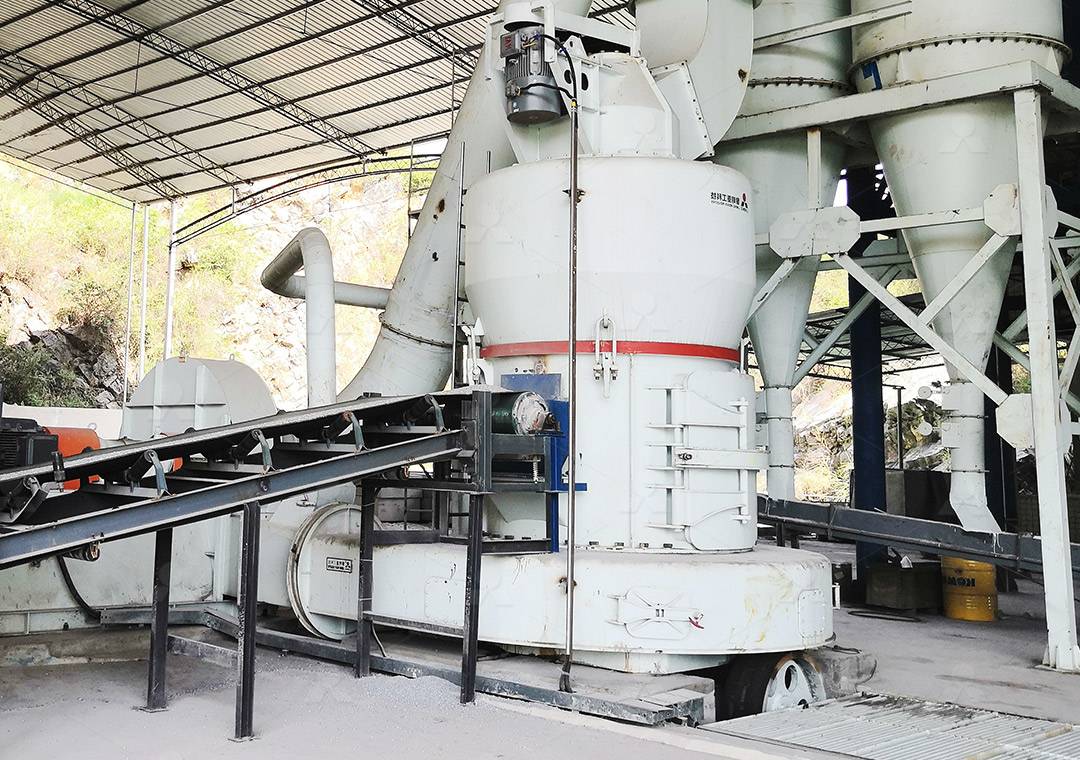
Secondary and sometimes tertiary crushers (such as impact crushers or cone crushers) then take over, further reducing the material to a size typically smaller than 25 mm, which is suitable for feeding into the raw mill. The goal of the crushing circuit is not just size reduction but also to create a consistent feed blend, ensuring the chemical composition entering the kiln is homogenous.
The Heart of Preparation: The Raw Mill Grinding Process
Once crushed, the raw mix enters the raw mill for the most critical step: fine grinding. The objective here is to achieve a very fine powder with a high surface area, which is essential for the chemical reactions that occur in the kiln. The most common types of raw mills in modern plants are vertical roller mills (VRMs) and ball mills.
In a Vertical Roller Mill, the material is fed onto a rotating grinding table. Heavy, hydraulically-pressed grinding rollers rotate against the table, crushing the material beneath them. The ground material is then swept up by a stream of hot gases (often waste heat from the kiln) which simultaneously dry the moisture from the raw materials and carry the fine particles to a classifier integrated at the top of the mill. The classifier acts like a cyclone, separating particles that are fine enough to proceed to the kiln from coarse particles, which fall back onto the grinding table for further processing. This closed-circuit system ensures high grinding efficiency and precise control over the final product’s fineness.
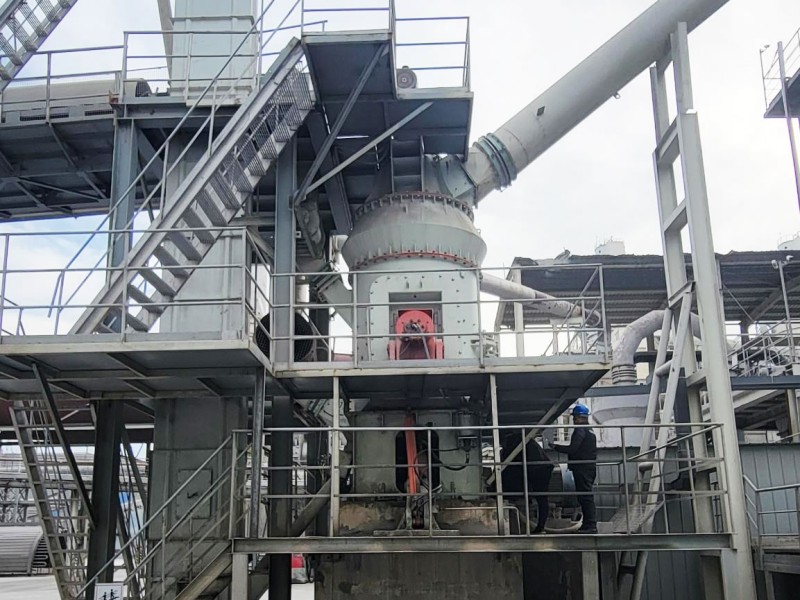
Advancing Grinding Technology: The Push for Ultrafine Efficiency
While traditional mills are effective, the industry’s drive for greater energy efficiency and higher product quality has led to significant advancements. For operations requiring exceptionally fine and consistent powders, specialized grinding mills offer superior performance. A prime example is our MW Ultrafine Grinding Mill.
This mill is engineered for customers who need to make ultra-fine powder with higher yielding and lower energy consumption. Its newly designed grinding curves for the roller and ring enhance grinding efficiency significantly. With an adjustable fineness between 325-2500 meshes, it provides remarkable flexibility. A key design advantage is the absence of rolling bearings and screws in the grinding chamber, eliminating common failure points and allowing for external lubrication without shutdown. This enables continuous 24/7 operation, which is crucial for high-volume production environments like advanced cement blending.
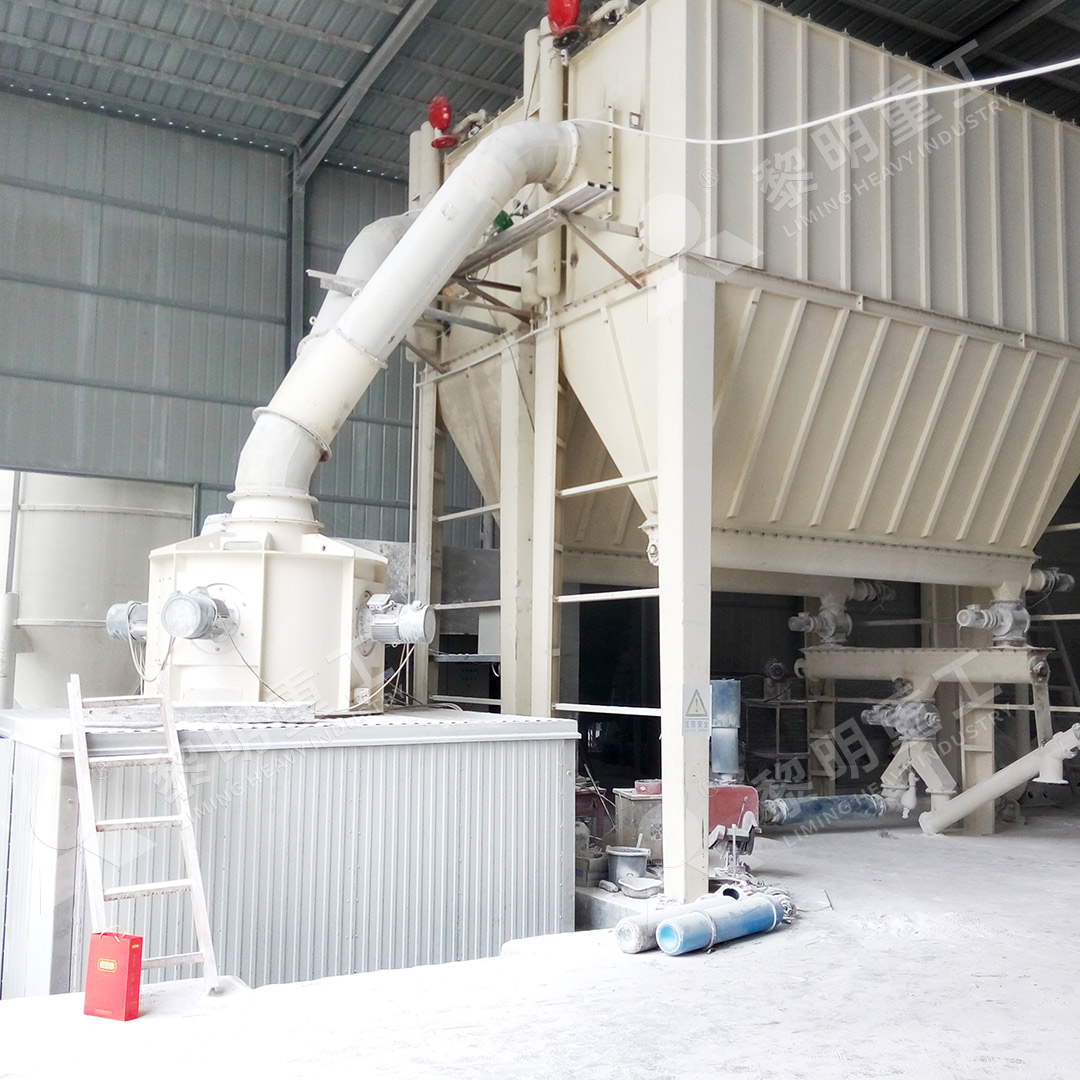
For projects demanding the latest in vertical grinding technology, our LUM Ultrafine Vertical Grinding Mill is another excellent choice. It integrates ultrafine powder grinding, grading, and transporting with higher yielding rates and better product quality. Its unique roller shell and lining plate grinding curve are designed to generate a stable material layer, enabling a high rate of finished product in a single pass. The multi-head powder separating technology and double position-limiting technology ensure precise control and stable operation, reducing energy consumption by 30%-50% compared to conventional mills.
Frequently Asked Questions (FAQ)
What is the main difference between a crusher and a mill?
A crusher performs primary and secondary size reduction, breaking down large rocks (e.g., 1-meter diameter) to smaller pieces (e.g., <25 mm). A mill performs fine grinding, taking these smaller pieces and reducing them to a powder (often finer than 100 microns).
Why is it important to dry the raw materials during grinding?
Moisture in the raw mix can lead to clogging in the mill and preheater system. Drying ensures a free-flowing powder and optimizes the efficiency of the subsequent kiln process. Using hot gases from the kiln for drying is a common energy-saving practice.
What are the advantages of a vertical roller mill over a ball mill for raw grinding?
VRMs generally have a lower energy consumption (30-40% less), a smaller footprint, better drying capability, and simpler maintenance for grinding elements compared to traditional ball mills.
How is the fineness of the raw meal controlled?
Fineness is controlled by an internal or external classifier (or separator). This device uses centrifugal force and airflow to reject coarse particles back to the grinding zone, allowing only particles that meet the specified fineness to leave the mill as product.