
How Does a Ball Mill Work and What Affects Its Price?
We provide a wide range of mills — including Raymond mill, trapezoidal mill, vertical mill, ultrafine mill, and ball mill, obtained ISO9001 international quality certification, EU CE certification, and Customs Union CU-TR certification. Suitable for processing minerals such as limestone, phosphate, quicklime, kaolin, talc, barite, bentonite, calcium carbonate, dolomite, coal, gypsum, clay, carbon black, slag, cement raw materials, cement clinker, and more.
The discharge range of these mills can be adjusted to meet specific processing needs, typically from 80-400 mesh, 600-3250 mesh, and can achieve the finest particle size of up to 6000 mesh(D50).
If you are looking for a reliable grinding solution to turn stone or minerals into fine powder, please feel free to contact our online customer service.
How Does a Ball Mill Work?
A ball mill is a type of grinder used to grind and blend materials for use in mineral dressing processes, paints, pyrotechnics, ceramics, and selective laser sintering. It works on the principle of impact and attrition: size reduction is done by impact as the balls drop from near the top of the shell.
Working Principle
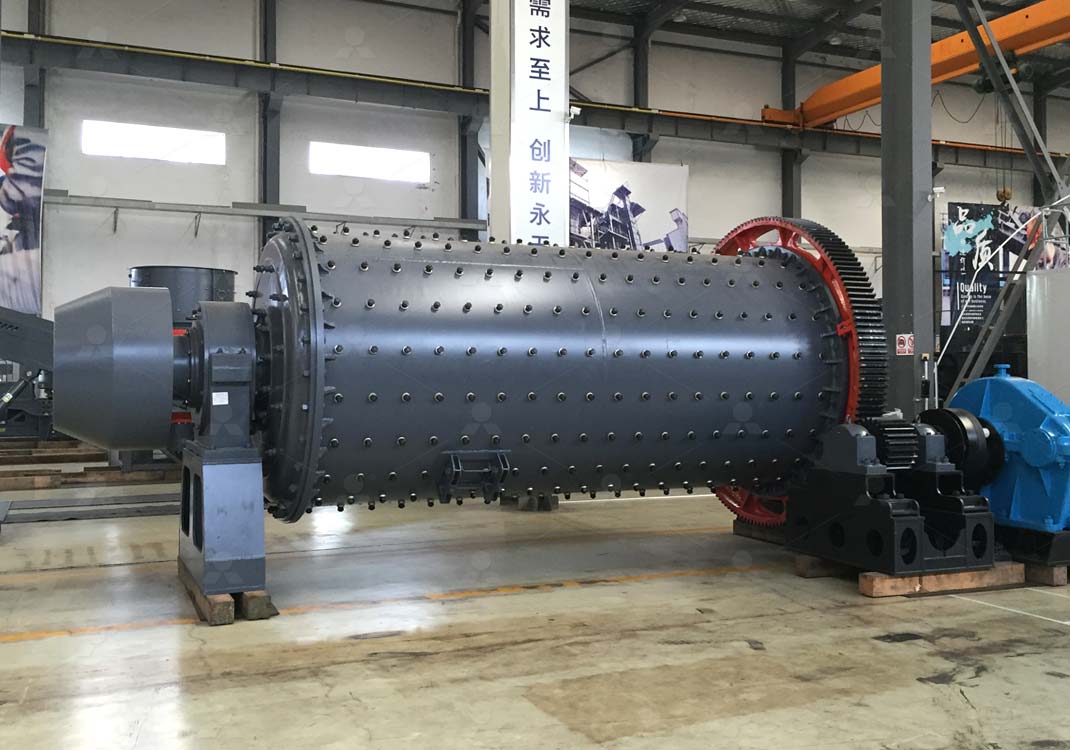
The ball mill consists of a hollow cylindrical shell rotating about its axis. The axis of the shell may be either horizontal or at a small angle to the horizontal. It is partially filled with balls. The grinding media is the balls, which may be made of steel (chrome steel), stainless steel, ceramic, or rubber. The inner surface of the cylindrical shell is usually lined with an abrasion-resistant material such as manganese steel or rubber. Less wear takes place in rubber lined mills. The length of the mill is approximately equal to its diameter.
Key Components
- Cylindrical Shell: Rotates to generate centrifugal force.
- Grinding Media (Balls): Crushes and grinds the material.
- Feed and Discharge: Material is fed through one end and discharged through the other.
- Drive System: Motor and gearbox to rotate the shell.
Factors Affecting Ball Mill Price
The price of a ball mill can vary significantly based on several factors:
1. Capacity and Size
Larger ball mills with higher capacity (e.g., 50 tph) are more expensive than smaller ones (e.g., 5 tph). The size of the mill directly impacts its manufacturing cost and energy consumption.
2. Material of Construction
Ball mills made of high-quality materials like stainless steel or abrasion-resistant alloys are more costly but offer longer lifespans. Rubber-lined mills are cheaper but may not suit high-temperature applications.
3. Grinding Media
The type and quality of grinding balls (steel, ceramic, etc.) affect the price. Specialty media like zirconia balls are pricier but reduce contamination.
4. Automation and Control Systems
Advanced control systems for monitoring and adjusting grinding parameters add to the cost but improve efficiency and product consistency.
5. Brand and After-Sales Support
Reputable brands like LIMING may charge a premium but provide reliable after-sales service and spare parts availability.
Why Choose LIMING’s Grinding Solutions?
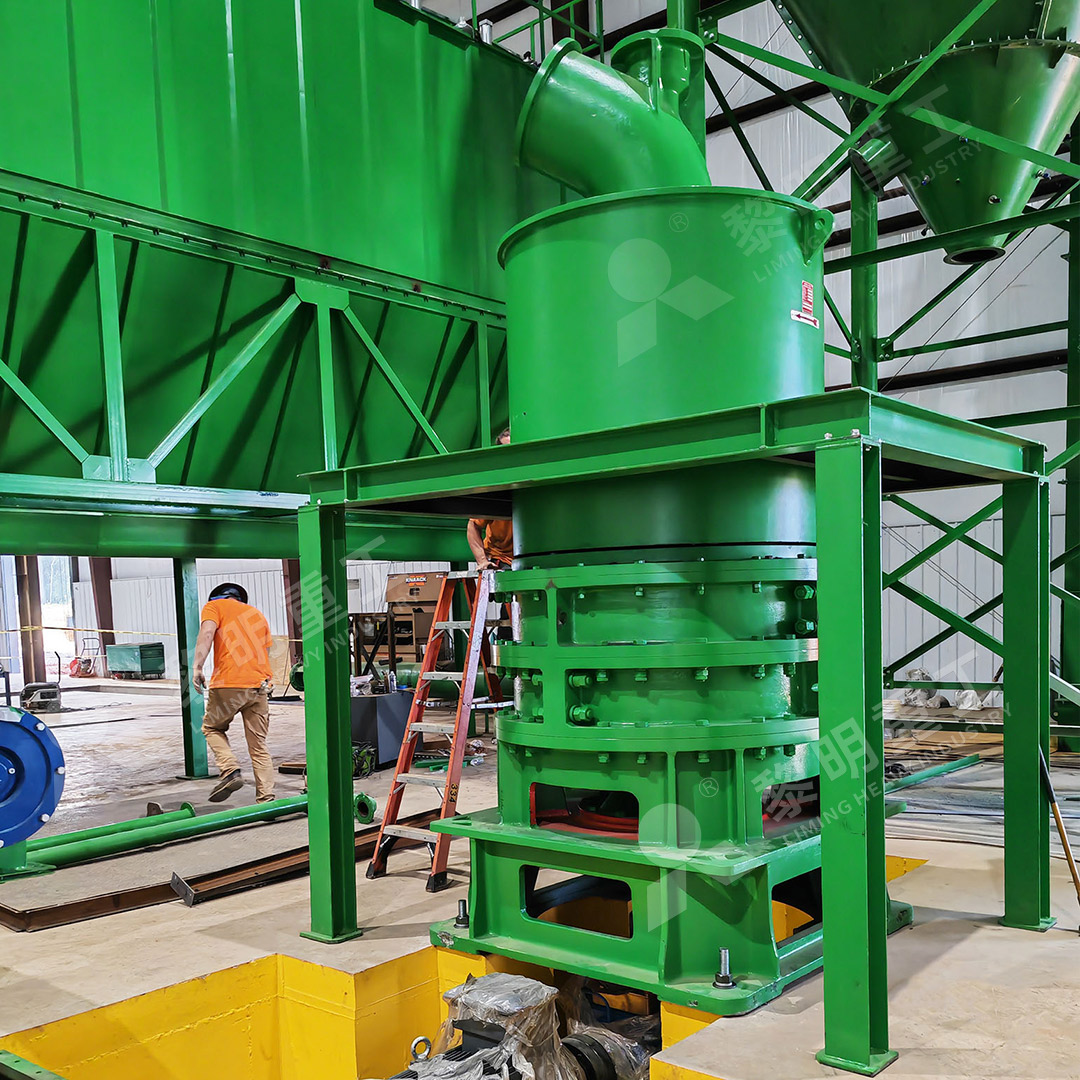
While ball mills are versatile, modern alternatives like MW Ultrafine Grinding Mill offer superior efficiency for fine powder production. Key advantages include:
- Higher Yielding, Lower Energy Consumption: 40% higher capacity than jet mills with 30% less energy use.
- Adjustable Fineness (325-2500 meshes): Precision powder separation via German technology.
- Eco-Friendly Operation: Pulse dust collector and noise reduction features.
For vertical grinding needs, the LUM Ultrafine Vertical Grinding Mill is another standout, featuring:
- Energy-Saving Design: 30%-50% lower consumption than traditional mills.
- Stable Operation: Double position-limiting technology prevents roller damage.
- Easy Maintenance: Reversible structure simplifies part replacement.
Conclusion
Ball mills remain a cornerstone in material grinding, but their price depends on size, materials, and features. For ultra-fine or high-efficiency grinding, LIMING’s MW and LUM series offer advanced alternatives with lower operational costs. Explore our range to find the perfect solution for your needs!