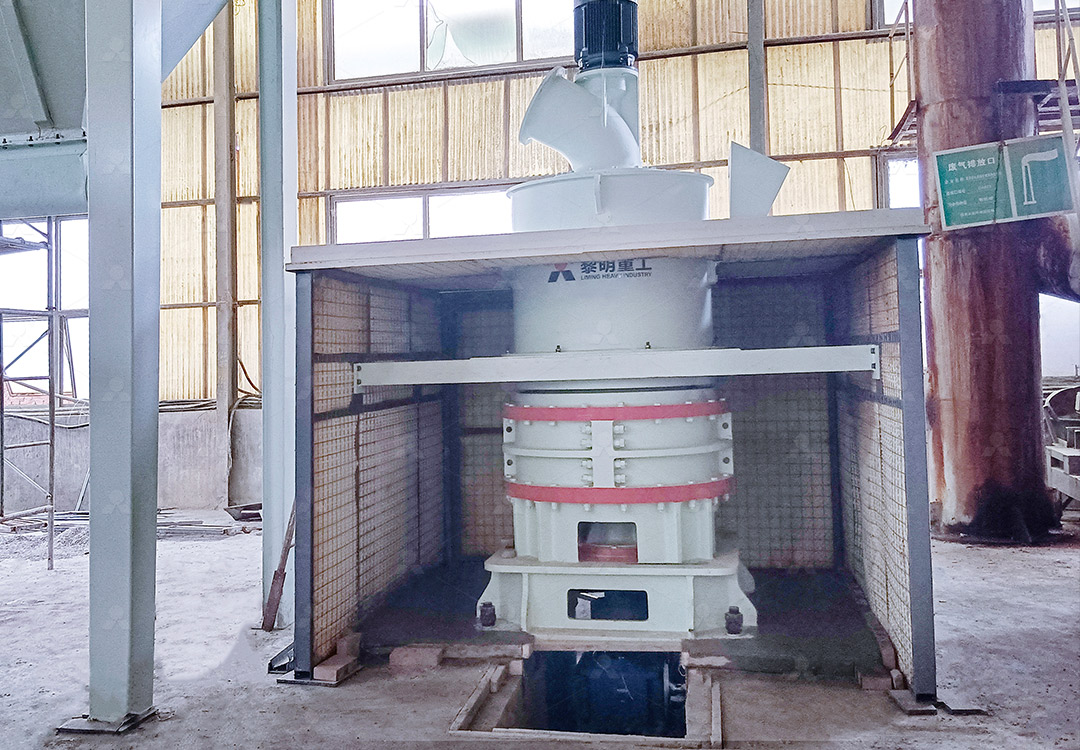
How Does a Ball Mill Work? A Step-by-Step Guide to Its Assembly and Operation
We provide a wide range of mills — including Raymond mill, trapezoidal mill, vertical mill, ultrafine mill, and ball mill, obtained ISO9001 international quality certification, EU CE certification, and Customs Union CU-TR certification. Suitable for processing minerals such as limestone, phosphate, quicklime, kaolin, talc, barite, bentonite, calcium carbonate, dolomite, coal, gypsum, clay, carbon black, slag, cement raw materials, cement clinker, and more.
The discharge range of these mills can be adjusted to meet specific processing needs, typically from 80-400 mesh, 600-3250 mesh, and can achieve the finest particle size of up to 6000 mesh(D50).
If you are looking for a reliable grinding solution to turn stone or minerals into fine powder, please feel free to contact our online customer service.
How Does a Ball Mill Work? A Step-by-Step Guide to Its Assembly and Operation
Ball mills are a cornerstone of many industrial grinding operations, known for their reliability and versatility. But have you ever wondered exactly how these workhorses function? Let’s break it down, step-by-step, from assembly to daily operation.
The Core Working Principle
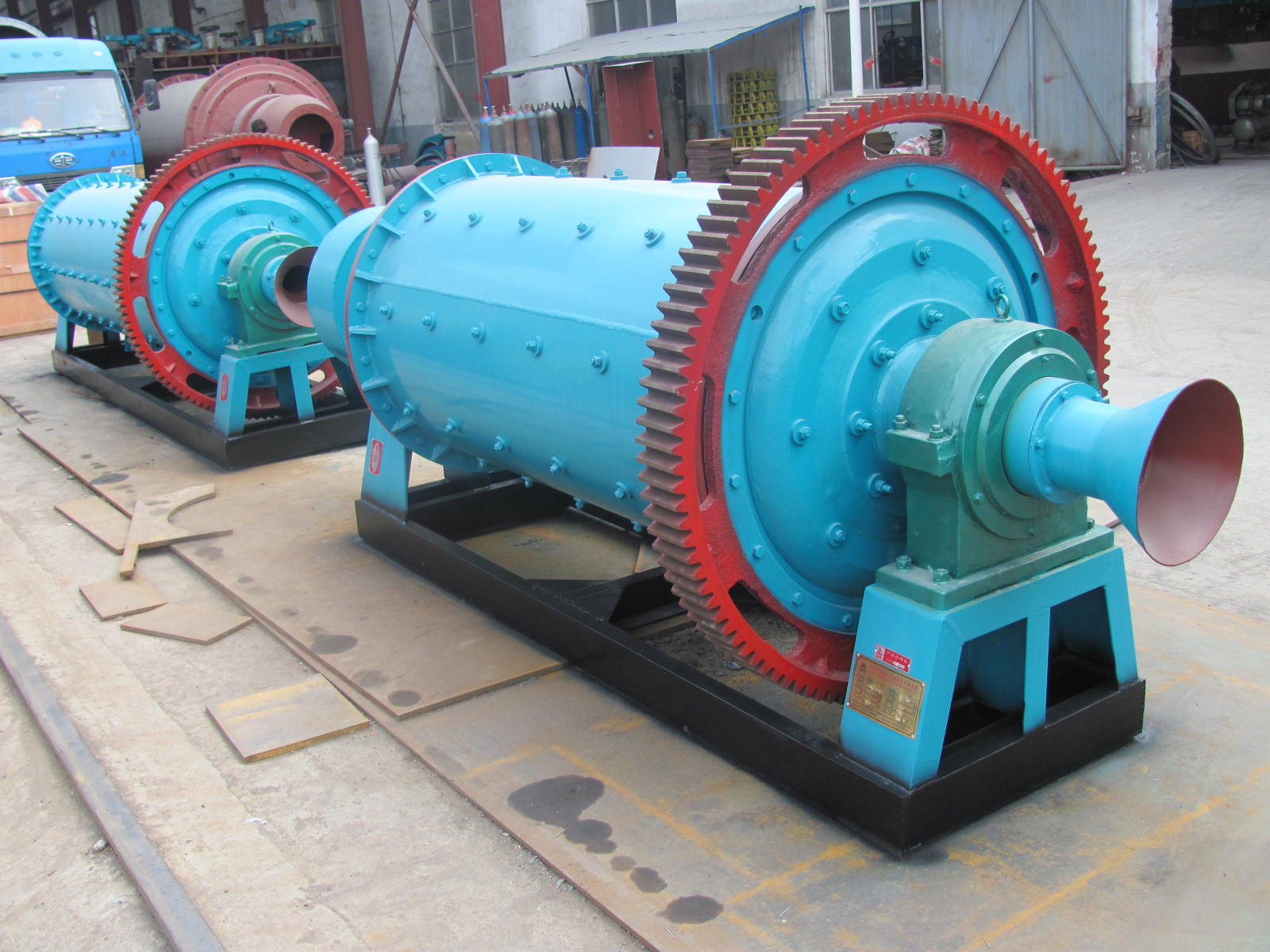
At its heart, a ball mill is a relatively simple machine. It’s essentially a hollow cylindrical shell that rotates around its horizontal axis. This shell is partially filled with grinding media – typically steel balls, but sometimes ceramic or other materials. The material to be ground is fed into this drum. As the shell rotates, the balls are lifted up on the rising side of the shell and then cascade down (or cataract) onto the material beneath, crushing and grinding it through a combination of impact and attrition forces. The centrifugal force generated by the rotation keeps the balls and material pinned to the inner wall for a portion of the rotation until gravity takes over.
Key Components and Assembly
Assembling a ball mill requires careful attention to its key components:
- The Shell: The main rotating cylinder, usually made of rolled steel plate.
- Liners: Wear-resistant plates bolted to the inside of the shell to protect it from wear and to help lift the grinding media.
- Grinding Media: The balls themselves, which do the actual grinding.
- Feed & Discharge Ends: Trunnions or hollow journals at each end for feeding material in and out.
- Drive System: A motor, reducer, and pinion gear that rotates the entire shell.
Assembly typically begins with mounting the shell on its bearings. Liners are then installed, followed by the careful loading of the grinding media. The drive system is aligned and connected last to ensure smooth, vibration-free operation. Proper alignment is absolutly critical to prevent premature wear and failure.
Operational Parameters
Operating a ball mill effectively means controlling several key variables:
- Rotation Speed: This is crucial. Too slow, and the balls just slide; too fast, and they’re pinned to the wall by centrifugal force and don’t cascade. The ideal speed is usually 65-80% of the “critical speed” where centrifugation occurs.
- Feed Rate: Material must be fed at a consistent rate that matches the mill’s capacity.
- Media Size and Load: The size, density, and number of balls affect grinding efficiency and final product fineness.
Considering an Alternative? The MW Ultrafine Grinding Mill
While ball mills are incredibly common, they aren’t always the most efficient or suitable option for every application, particularly when very fine or ultra-fine powders are required. They can be energy-intensive and generate heat, which may be undesirable for heat-sensitive materials.
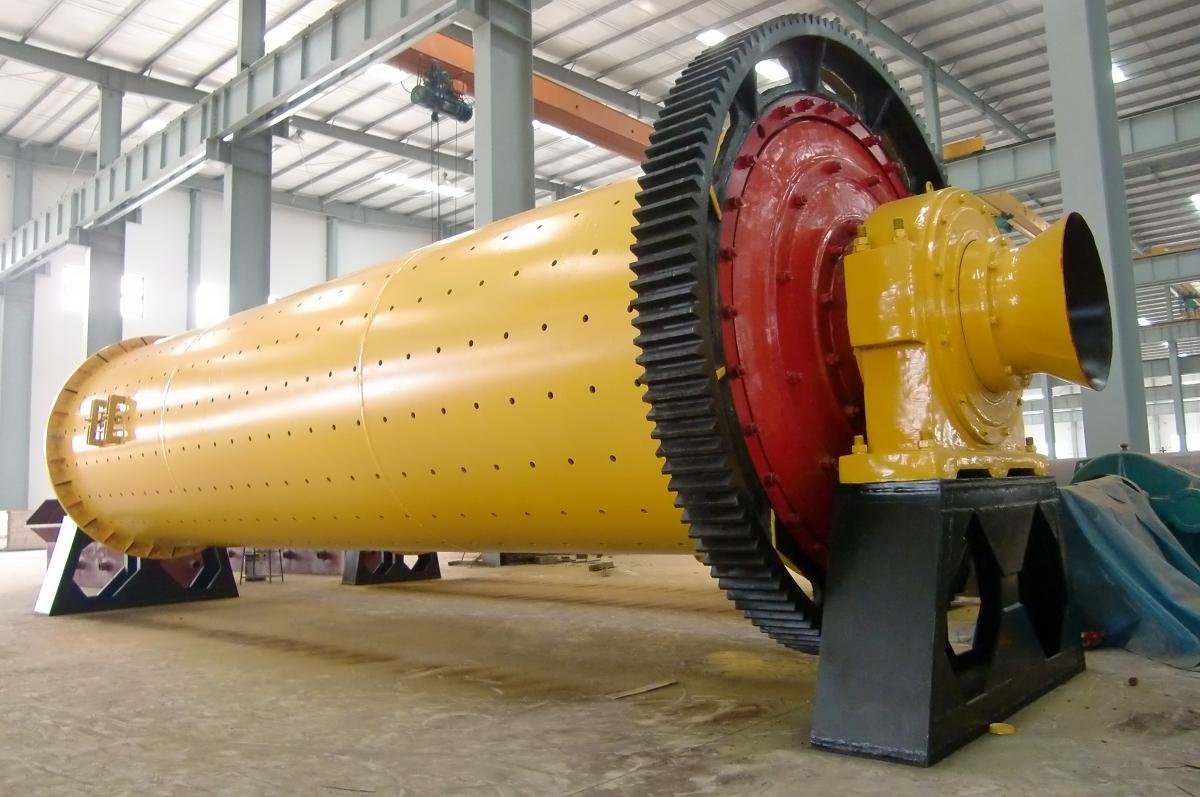
For operations requiring ultra-fine powder between 325-2500 meshes, our MW Ultrafine Grinding Mill presents a superior alternative. It’s engineered for customers who need precise, high-yield fine powder production. A key advantage is its innovative design which boasts higher yielding at lower energy consumption – its system energy consumption is only about 30% of a jet mill. It also features a German-technology cage-type powder selector for precise fineness control and is built for worry-free operation with no rolling bearings or screws inside the grinding chamber to cause maintenance issues. Equipped with an efficient pulse dust collector, it operates more cleanly and quietly than many traditional systems.
Conclusion
Understanding the assembly and operation of a ball mill is fundamental for anyone in mineral processing or related fields. Its cascading action provides a robust, if sometimes inefficient, method of size reduction. However, technology marches on. For modern applications demanding superior efficiency, finer products, and lower operational costs, exploring advanced solutions like our MW Ultrafine Grinding Mill or the versatile LUM Ultrafine Vertical Grinding Mill is a smart move. These mills incorporate the latest grinding technology to deliver higher performance with a smaller footprint and reduced energy costs, representing the next evolution in particle size reduction technology.