
How Cement Grinding Mills and Crushers Work in Manufacturing
We provide a wide range of mills — including Raymond mill, trapezoidal mill, vertical mill, ultrafine mill, and ball mill, obtained ISO9001 international quality certification, EU CE certification, and Customs Union CU-TR certification. Suitable for processing minerals such as limestone, phosphate, quicklime, kaolin, talc, barite, bentonite, calcium carbonate, dolomite, coal, gypsum, clay, carbon black, slag, cement raw materials, cement clinker, and more.
The discharge range of these mills can be adjusted to meet specific processing needs, typically from 80-400 mesh, 600-3250 mesh, and can achieve the finest particle size of up to 6000 mesh(D50).
If you are looking for a reliable grinding solution to turn stone or minerals into fine powder, please feel free to contact our online customer service.
How Cement Grinding Mills and Crushers Work in Manufacturing
The journey of cement manufacturing begins with raw material extraction and ends with the fine powder we know as cement. At the heart of this transformation lie two critical pieces of equipment: crushers and grinding mills. Understanding their operation is key to optimizing production efficiency and product quality.
Crushers serve as the primary size reduction equipment, breaking down large quarried rocks into manageable fragments. Jaw crushers, impact crushers, and cone crushers work in stages to reduce material from meter-sized boulders to centimeter-sized particles. This initial crushing is essential because it prepares materials for the more energy-intensive grinding process that follows.
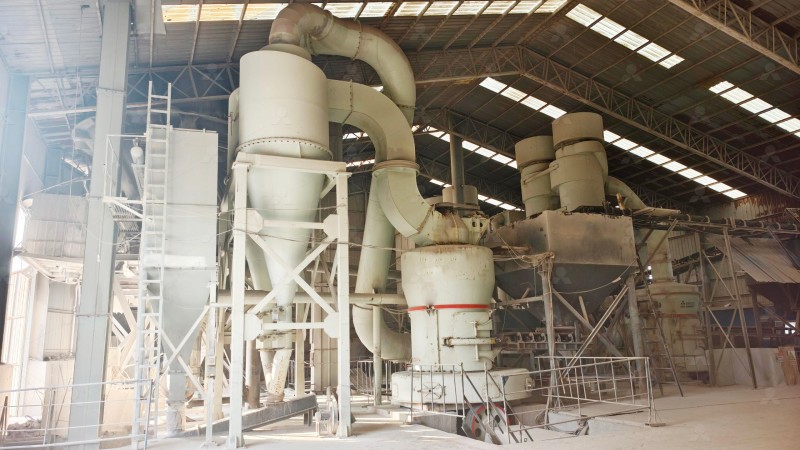
Once materials are properly crushed, they enter the grinding phase where the real magic happens. Grinding mills take these crushed materials and reduce them to the microscopic level required for cement production. The most common types include ball mills, vertical roller mills, and increasingly, advanced ultrafine grinding systems.
The Precision of Modern Grinding Technology
Contemporary grinding mills have evolved significantly from their predecessors. Today’s systems incorporate sophisticated separation technologies, precise control systems, and energy-efficient designs that minimize power consumption while maximizing output.
For operations requiring exceptional fineness, our MW Ultrafine Grinding Mill represents a technological leap forward. With an input size capacity of 0-20 mm and production rates from 0.5 to 25 tph, this machine delivers remarkable precision. Its cage-type powder selector employs German technology to achieve fineness between 325-2500 meshes, with screening rates reaching d97≤5μm in a single pass. What truly sets this system apart is its innovative design that eliminates rolling bearings and screws from the grinding chamber, virtually eliminating concerns about bearing damage or loose screw-related failures.
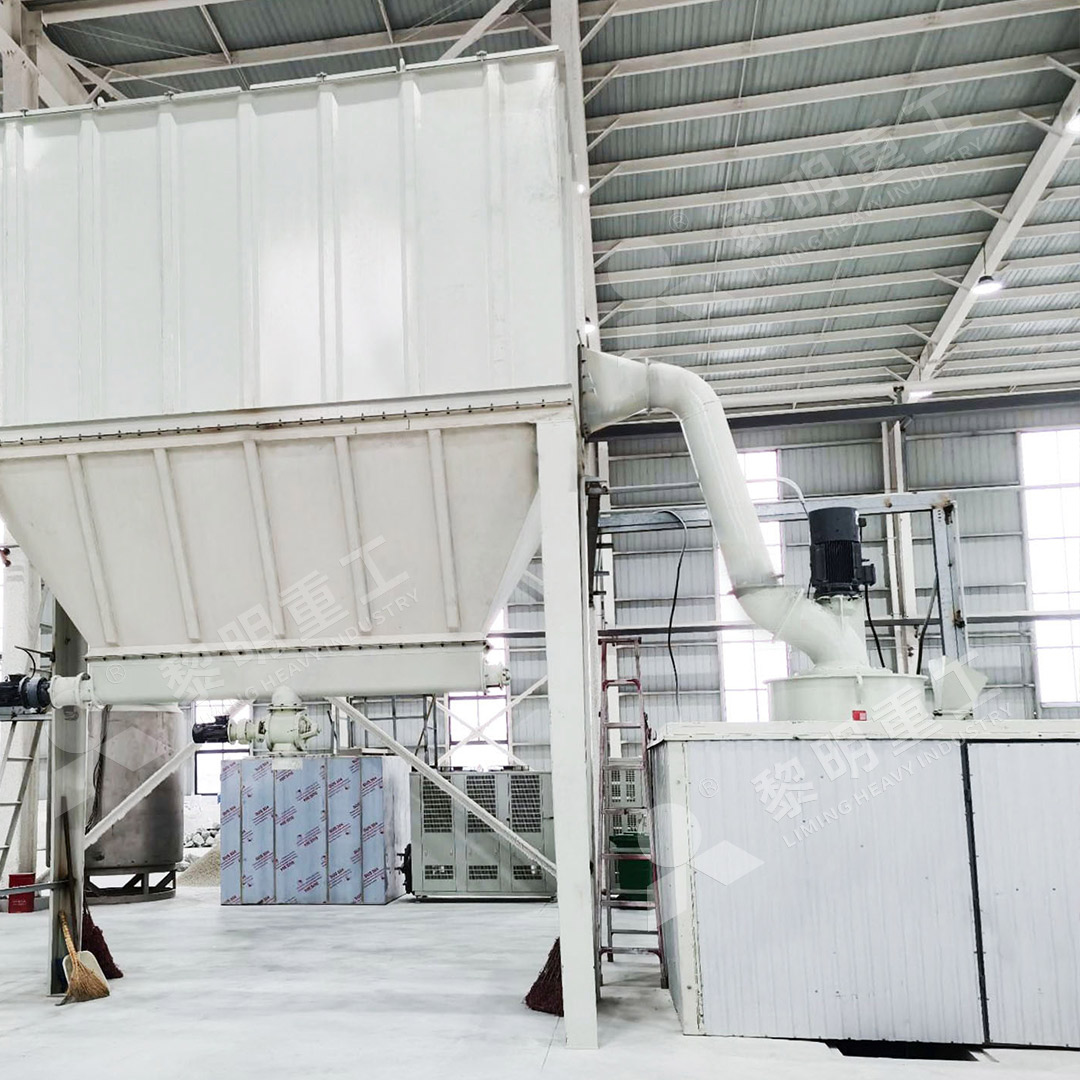
Integrated Systems for Maximum Efficiency
The most advanced grinding systems today integrate multiple functions into single units. Modern vertical mills combine crushing, drying, grinding, classifying, and conveying operations, significantly reducing the equipment footprint and energy requirements.
Our LUM Ultrafine Vertical Grinding Mill exemplifies this integrated approach. Processing materials up to 10 mm in size with capacities ranging from 5-18 tph, this system incorporates the latest Taiwanese grinding roller technology and German powder separating technology. Its unique double position-limiting technology ensures operational stability by preventing destructive impacts during machine vibration, while the reversible structure simplifies maintenance by allowing easy access to grinding components.
Environmental Considerations in Modern Grinding
Today’s grinding equipment must address environmental concerns alongside production requirements. Advanced dust collection systems, noise reduction technologies, and energy-efficient designs have become standard in high-quality equipment.
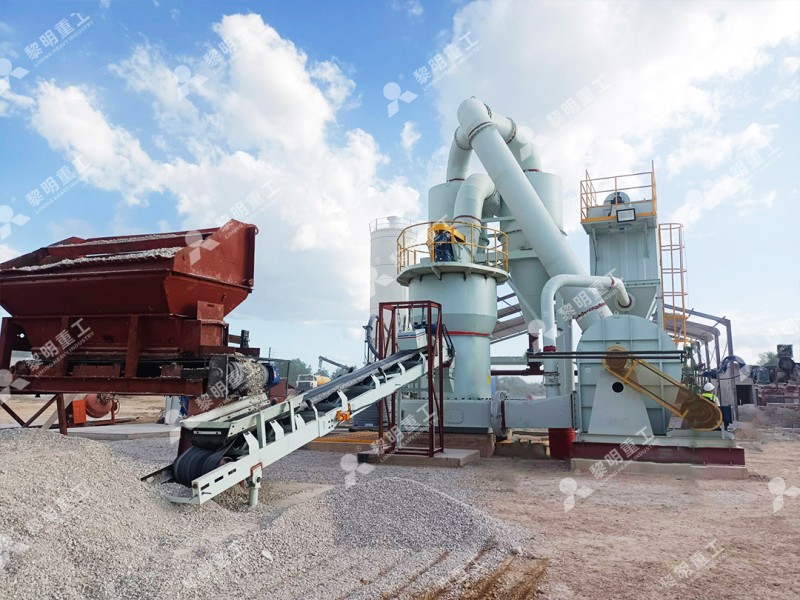
The MW Ultrafine Grinding Mill addresses these concerns comprehensively with its efficient pulse dust collector and muffler system, ensuring minimal environmental impact during operation. The entire production process adheres to national environmental protection standards, making it an ideal choice for environmentally conscious operations.
Frequently Asked Questions
What is the typical particle size range for cement after grinding?
Modern grinding systems can achieve particle sizes ranging from coarse grades around 325 meshes to ultrafine powders up to 2500 meshes, depending on the application requirements and equipment capabilities.
How do modern grinding mills achieve energy efficiency?
Advanced designs incorporate multiple energy-saving features including optimized grinding curves, efficient separation systems, and intelligent control systems that can reduce energy consumption by 30-50% compared to traditional mills.
What maintenance advantages do contemporary grinding mills offer?
Modern mills feature designs that simplify maintenance, such as external lubrication systems that allow operation without shutdown, reversible structures for easy component access, and elimination of internal components prone to failure.
How important is environmental compliance in grinding operations?
Environmental compliance is crucial. Modern equipment includes integrated dust collection systems, noise reduction technology, and closed-system designs that prevent material and dust escape, ensuring operations meet stringent environmental standards.