
Hot Rolling Mill for Copper Alloy Plates: Korean Manufacturers & Technology Guide
We provide a wide range of mills — including Raymond mill, trapezoidal mill, vertical mill, ultrafine mill, and ball mill, obtained ISO9001 international quality certification, EU CE certification, and Customs Union CU-TR certification. Suitable for processing minerals such as limestone, phosphate, quicklime, kaolin, talc, barite, bentonite, calcium carbonate, dolomite, coal, gypsum, clay, carbon black, slag, cement raw materials, cement clinker, and more.
The discharge range of these mills can be adjusted to meet specific processing needs, typically from 80-400 mesh, 600-3250 mesh, and can achieve the finest particle size of up to 6000 mesh(D50).
If you are looking for a reliable grinding solution to turn stone or minerals into fine powder, please feel free to contact our online customer service.
Hot Rolling Mill for Copper Alloy Plates: Korean Manufacturers & Technology Guide
The global demand for high-quality copper alloy plates, particularly for applications in electronics, automotive, and construction industries, has positioned South Korea as a key player in advanced manufacturing and metallurgical technology. Korean manufacturers have developed sophisticated hot rolling mills that combine precision engineering with energy efficiency to produce superior copper alloys with consistent thickness, excellent surface finish, and enhanced mechanical properties.
Technological Advancements in Korean Hot Rolling Mills
Korean engineering firms have pioneered several innovations in hot rolling technology. Modern mills feature fully automated control systems that monitor temperature, pressure, and rolling speed in real-time, ensuring dimensional accuracy and material consistency. Advanced heating furnaces maintain precise temperature profiles throughout the rolling process, critical for achieving the desired microstructure in copper alloys.
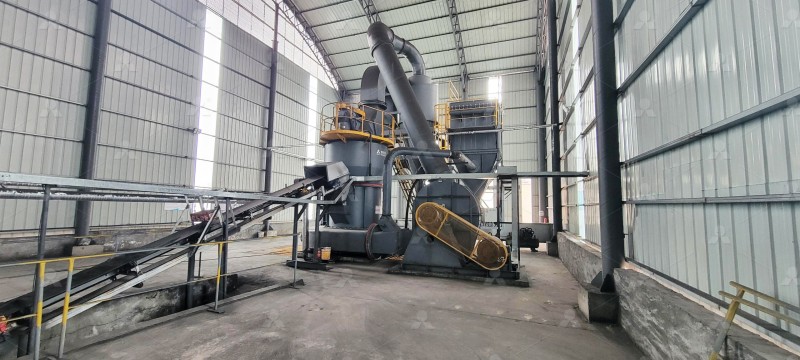
These mills typically incorporate sophisticated cooling systems that allow for controlled quenching and annealing processes inline. The integration of artificial intelligence and machine learning algorithms enables predictive maintenance, reducing downtime and optimizing production schedules. Many Korean manufacturers have also adopted environmentally sustainable practices, including waste heat recovery systems and reduced water consumption technologies.
Material Preparation: The Critical First Step
Before the hot rolling process begins, copper alloy ingots must be properly prepared to ensure optimal results. This often involves preliminary size reduction and conditioning. For operations requiring ultra-fine preparation of additive materials or processing of by-products, advanced grinding equipment is essential.
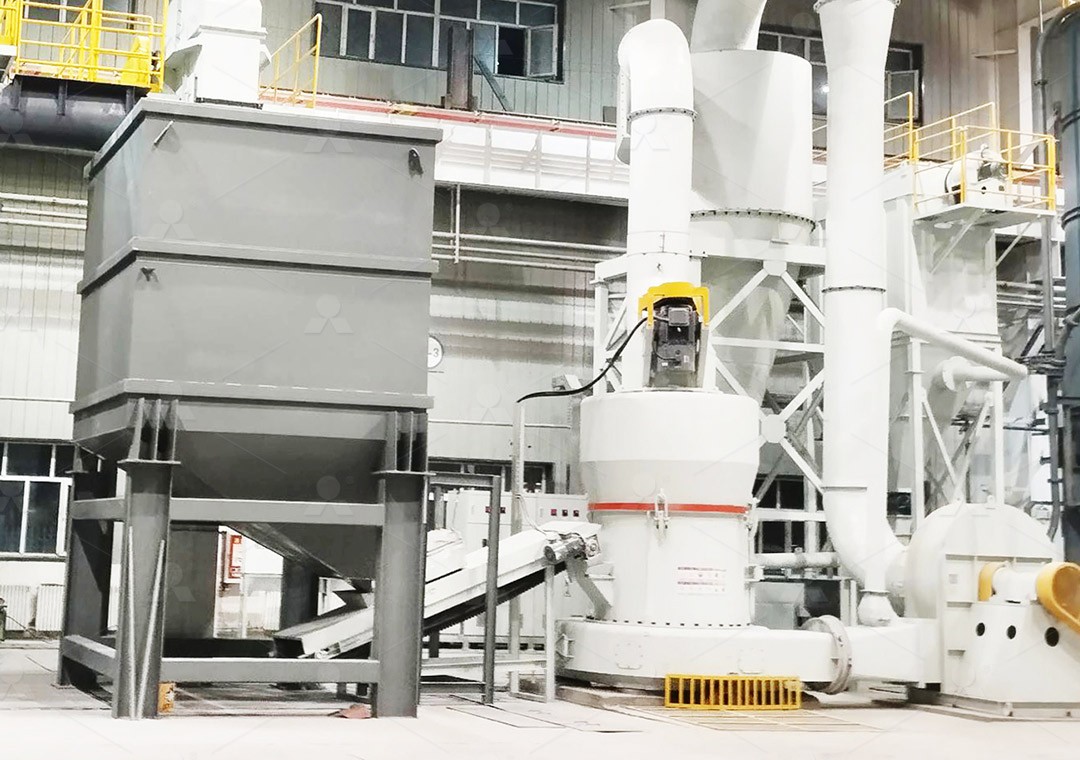
Notably, the MW Ultrafine Grinding Mill has become an valuable supporting equipment in many metallurgical operations. With an input size capacity of 0-20 mm and throughput of 0.5-25 tph, this system efficiently processes various materials including limestone, calcite, and dolomite used in flux formulations. Its higher yielding and lower energy consumption characteristics—achieving 40% higher capacity than jet grinding mills with only 30% of the energy consumption—make it particularly suitable for operations prioritizing efficiency and environmental considerations. The adjustable fineness between 325-2500 meshes allows precise control over material properties.
Korean Manufacturing Excellence
South Korean manufacturers have distinguished themselves through continuous innovation and quality control. Companies like POSCO, Hyundai Steel, and several specialized machinery producers have developed proprietary technologies that enhance rolling precision and productivity. These manufacturers often provide comprehensive service packages including installation, training, and ongoing technical support.
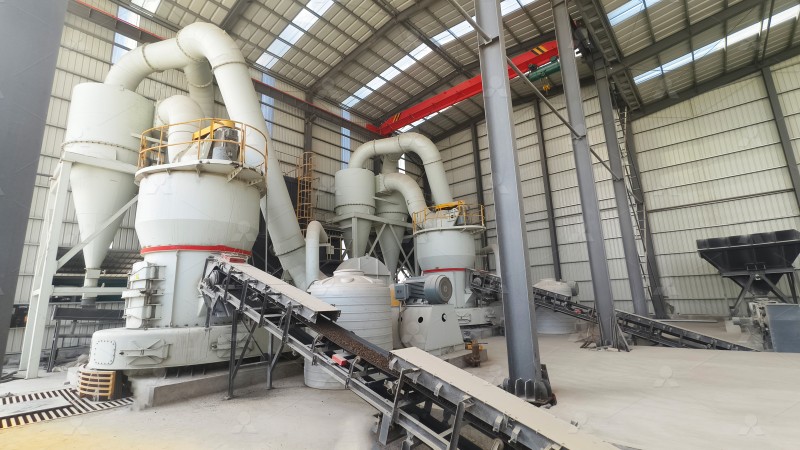
Another noteworthy equipment that complements these operations is the LUM Ultrafine Vertical Grinding Mill, which offers higher yielding rates and better quality output for various mineral processing applications. Its more energy-saving multi-head powder separating technology and double position-limiting technology ensure stable operation, making it suitable for processing auxiliary materials used in copper alloy production.
Applications of Korean-made Hot Rolling Mills
Korean-manufactured hot rolling mills produce copper alloy plates for diverse applications:
- Electronics industry: Copper alloys for connectors, lead frames, and heat sinks
- Automotive sector: Radiator plates, bearing cages, and electrical components
- Construction applications: Architectural cladding, roofing, and decorative elements
- Industrial equipment: Heat exchangers, transformers, and high-conductivity components
FAQ
What makes Korean hot rolling mills suitable for copper alloy processing?
Korean mills incorporate precision temperature control, advanced automation, and sophisticated material handling systems specifically designed for non-ferrous metals like copper alloys, ensuring consistent quality and high production efficiency.
How does material preparation affect the hot rolling process?
Proper material preparation, including precise size reduction and conditioning, is critical for achieving uniform deformation during rolling, consistent mechanical properties, and superior surface finish in the final product.
What environmental considerations are addressed in modern Korean rolling mills?
Korean manufacturers have implemented energy-efficient drives, heat recovery systems, water recycling technologies, and comprehensive emission control systems to minimize environmental impact.
What after-sales support do Korean manufacturers typically provide?
Most reputable Korean manufacturers offer comprehensive support including installation supervision, operator training, preventive maintenance programs, and readily available spare parts to ensure continuous operation.