
High-Speed Wet Stone Grinder: Boost Efficiency in Industrial Milling
We provide a wide range of mills — including Raymond mill, trapezoidal mill, vertical mill, ultrafine mill, and ball mill, obtained ISO9001 international quality certification, EU CE certification, and Customs Union CU-TR certification. Suitable for processing minerals such as limestone, phosphate, quicklime, kaolin, talc, barite, bentonite, calcium carbonate, dolomite, coal, gypsum, clay, carbon black, slag, cement raw materials, cement clinker, and more.
The discharge range of these mills can be adjusted to meet specific processing needs, typically from 80-400 mesh, 600-3250 mesh, and can achieve the finest particle size of up to 6000 mesh(D50).
If you are looking for a reliable grinding solution to turn stone or minerals into fine powder, please feel free to contact our online customer service.
Revolutionizing Industrial Milling: The Power of High-Speed Wet Grinding
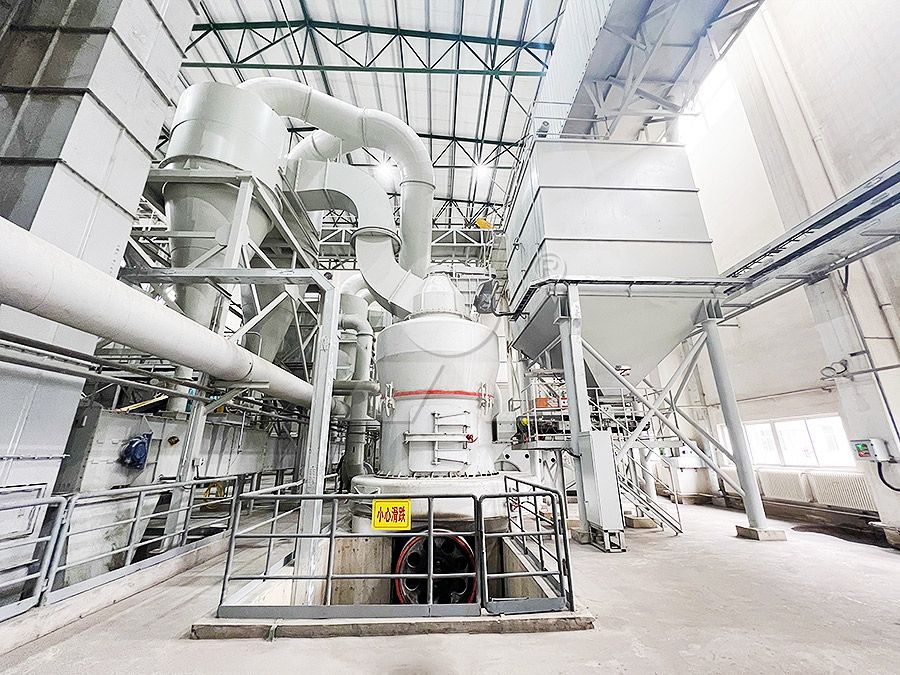
In the demanding world of industrial mineral processing, efficiency is the cornerstone of profitability. Traditional dry milling methods, while effective, often grapple with challenges like excessive heat generation, dust pollution, and limitations in achieving ultra-fine particle sizes. This is where high-speed wet stone grinding technology emerges as a game-changer, offering a superior pathway to enhanced productivity and product quality. By utilizing a liquid medium, typically water, this process not only mitigates heat but also facilitates the transport of material, leading to a more efficient and controlled milling operation.
The Core Advantages of Wet Grinding Technology
The shift towards wet grinding is driven by several tangible benefits. Firstly, the liquid medium acts as an effective coolant, preventing thermal degradation of heat-sensitive materials. This is crucial for industries like cosmetics, food additives, and advanced ceramics where product integrity is paramount. Secondly, the process significantly reduces dust emissions, creating a safer and more environmentally compliant workplace. Furthermore, wet grinding is exceptionally effective in producing slurries with very fine and uniformly sized particles, which is a critical requirement for many high-value applications.
Meeting the Demand for Ultra-Fine Powders
As industries push the boundaries of material science, the demand for consistently ultra-fine powders has skyrocketed. Standard grinding mills can struggle to achieve fineness levels beyond 325 mesh without a significant drop in throughput or a spike in energy consumption. Advanced milling solutions are required to bridge this gap, combining high rotational speeds with precision engineering to deliver exceptional results.
Spotlight on Advanced Milling Solutions
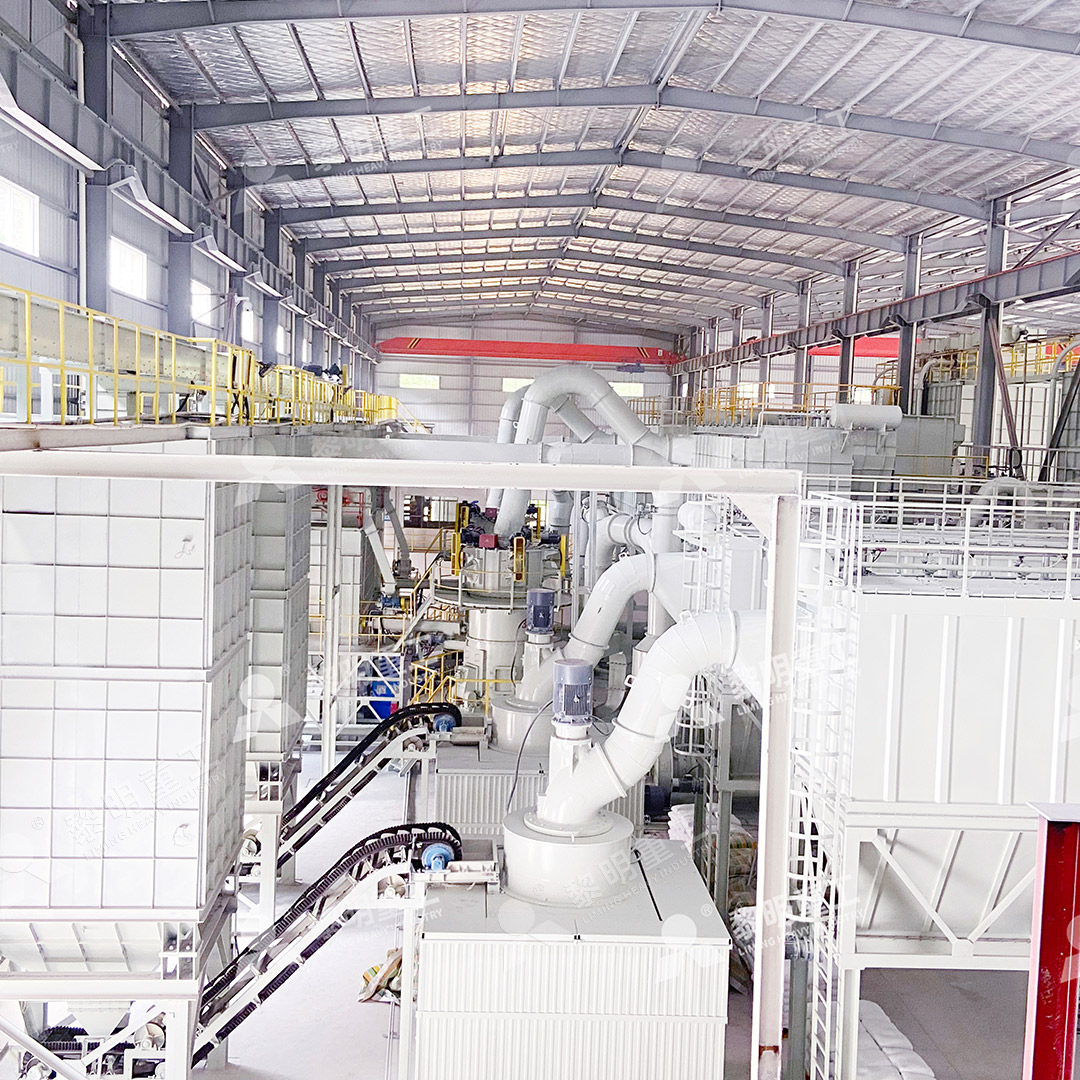
For operations requiring top-tier performance in ultra-fine powder production, the MW Ultrafine Grinding Mill stands out as a premier choice. This machine is specifically engineered for customers who need to make ultra-fine powder between 325 and 2500 meshes. A key feature is its higher yielding and lower energy consumption; with the same fineness and power, its production capacity is 40% higher than jet mills and double that of ball mills, while system energy consumption is just 30% of a jet mill. Its innovative design, which includes the absence of rolling bearings and screws in the grinding chamber, eliminates common failure points and allows for external lubrication without shutdown, enabling continuous 24/7 production. Equipped with an efficient pulse dust collector and muffler, the MW Grinding Mill ensures an eco-friendly operation that meets stringent environmental standards.
Another formidable option for achieving superior fineness is the LUM Ultrafine Vertical Grinding Mill. Integrating the latest grinding roller and powder separating technologies, the LUM mill excels in energy efficiency, reducing consumption by 30%-50% compared to conventional mills. Its unique roller shell and lining plate grinding curve promote stable material layer formation, enabling a high rate of finished product from a single pass. The mill’s reversible structure, a thoughtful design consideration, allows for easy maintenance by enabling grinding rollers to be moved out of the body quickly, minimizing downtime.
Applications Across Industries
The versatility of modern high-speed wet grinders is remarkable. They are indispensable in processing materials such as limestone, calcite, dolomite, talc, barite, and gypsum. Their applications span critical sectors including chemical manufacturing, where they produce base materials for paints and plastics; the cosmetics industry, which relies on ultra-fine powders for smooth textures; and the food sector for additives requiring impeccable purity and consistency.
Conclusion
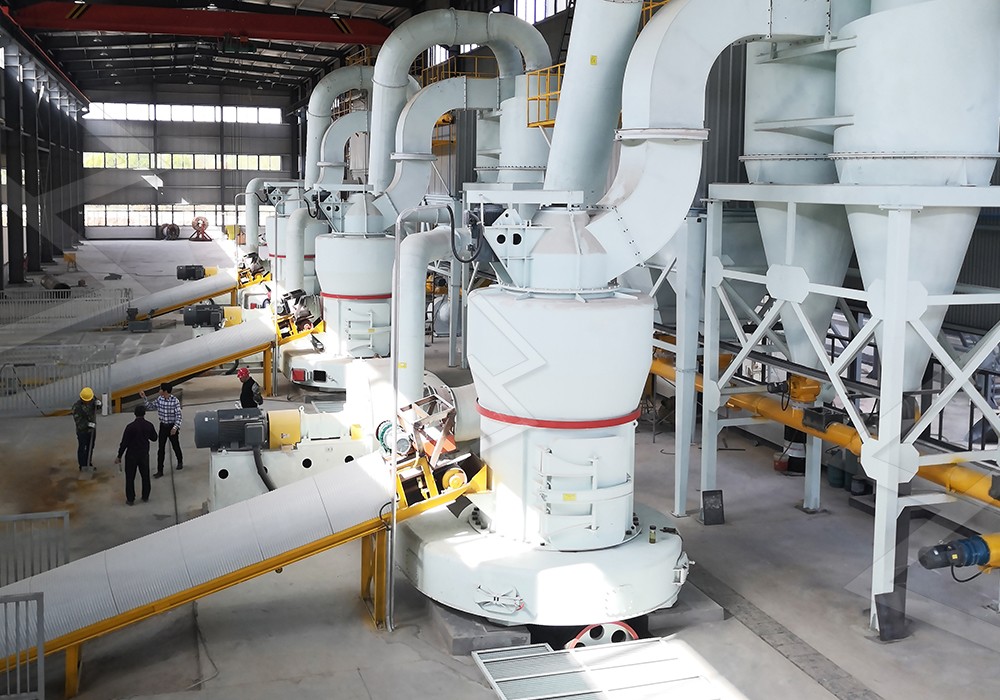
Investing in advanced high-speed wet grinding technology is no longer a luxury but a strategic necessity for industries aiming to stay competitive. The enhancements in efficiency, product quality, and environmental compliance deliver a rapid return on investment. By choosing a robust and technologically advanced solution like the MW or LUM Grinding Mill, operations can significantly boost their milling efficiency, reduce operational costs, and open doors to new, high-value markets.
Frequently Asked Questions (FAQ)
What are the main benefits of wet grinding over dry grinding?
Wet grinding offers superior heat control, eliminates dust, allows for finer particle size reduction, and is ideal for heat-sensitive materials, leading to higher quality end products.
What fineness can the MW Ultrafine Grinding Mill achieve?
The MW Mill can adjust product fineness between 325 and 2500 meshes, with the ability to achieve a screening rate of d97≤5μm in a single pass.
How does the LUM Mill contribute to energy savings?
The LUM Ultrafine Vertical Grinding Mill utilizes multi-head powder separating technology and a PLC control system, allowing precise control over grinding parameters. This optimization leads to energy savings of 30% to 50%.
Are these mills suitable for 24/7 continuous operation?
Yes, models like the MW Grinding Mill are designed for continuous operation. Features like external lubrication systems allow for maintenance without shutting down the mill.
What industries are the primary users of this technology?
Key industries include chemicals, paints, cosmetics, pharmaceuticals, food additives, and non-metallic mineral processing like calcium carbonate and talc production.