
High-Quality Kaolin Grinding Mill for Industrial Applications
We provide a wide range of mills — including Raymond mill, trapezoidal mill, vertical mill, ultrafine mill, and ball mill, obtained ISO9001 international quality certification, EU CE certification, and Customs Union CU-TR certification. Suitable for processing minerals such as limestone, phosphate, quicklime, kaolin, talc, barite, bentonite, calcium carbonate, dolomite, coal, gypsum, clay, carbon black, slag, cement raw materials, cement clinker, and more.
The discharge range of these mills can be adjusted to meet specific processing needs, typically from 80-400 mesh, 600-3250 mesh, and can achieve the finest particle size of up to 6000 mesh(D50).
If you are looking for a reliable grinding solution to turn stone or minerals into fine powder, please feel free to contact our online customer service.
High-Quality Kaolin Grinding Mill for Industrial Applications
Kaolin, a versatile white clay mineral, is a cornerstone material for numerous industries, from ceramics and paper to paints, plastics, and pharmaceuticals. Its value, however, is intrinsically linked to its fineness and purity. Achieving the precise particle size distribution and whiteness required for high-end applications demands grinding technology that is not only powerful but also intelligent, efficient, and environmentally conscious. Selecting the right grinding mill is therefore a critical decision that directly impacts product quality, operational costs, and production scalability.
The challenge in kaolin processing lies in its soft yet abrasive nature. Inefficient grinding can lead to excessive energy consumption, contamination from metal wear, and inconsistent particle size, ultimately degrading the kaolin’s brightness and performance characteristics. Modern industrial operations require mills that deliver ultra-fine powders (often down to the micron and sub-micron range) while maintaining low iron content, high throughput, and minimal environmental footprint.
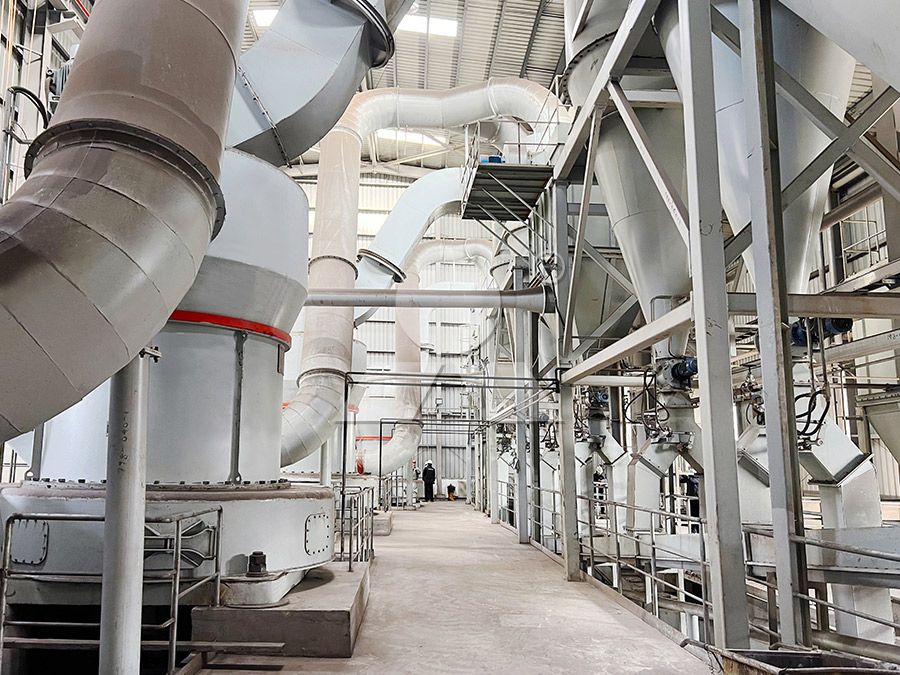
Core Considerations for Kaolin Grinding Systems
When evaluating grinding mills for kaolin, several technical parameters are paramount. The grinding efficiency and energy consumption are directly correlated; advanced designs should offer higher yield per kilowatt-hour. The ability to precisely control fineness—typically measured in meshes or micrometers—is non-negotiable for meeting diverse customer specifications. Furthermore, the mechanical design must minimize the risk of metallic contamination. Systems with no rolling bearings or screws in the grinding chamber, for instance, significantly reduce the source of iron pollution, preserving the kaolin’s natural whiteness.
Operational stability and maintenance accessibility are equally crucial. Mills designed with features like external lubrication systems, reversible roller structures, and intelligent limiting technologies ensure continuous, worry-free 24/7 operation with reduced downtime. Finally, an integrated eco-friendly approach, incorporating high-efficiency pulse dust collectors and noise reduction systems, is no longer a luxury but a standard requirement for sustainable and compliant manufacturing.
Advanced Mill Technologies for Superior Kaolin Processing
The evolution of grinding technology has moved beyond traditional ball mills and Raymond mills to more sophisticated, vertically integrated systems. Leading solutions in the market now focus on dry grinding processes that combine crushing, drying, grinding, classifying, and conveying into a single, compact unit. This integration not only saves floor space but also enhances overall system efficiency and product consistency.
Key technological advancements include multi-head cage-type powder selectors for precise particle size cuts, unique grinding curve designs for optimized material layer formation, and fully digitalized CNC machining for exceptional component precision. The result is a new generation of mills capable of producing kaolin powder with fineness adjustable from 325 to 2500 meshes, with superior whiteness and minimal energy expenditure.
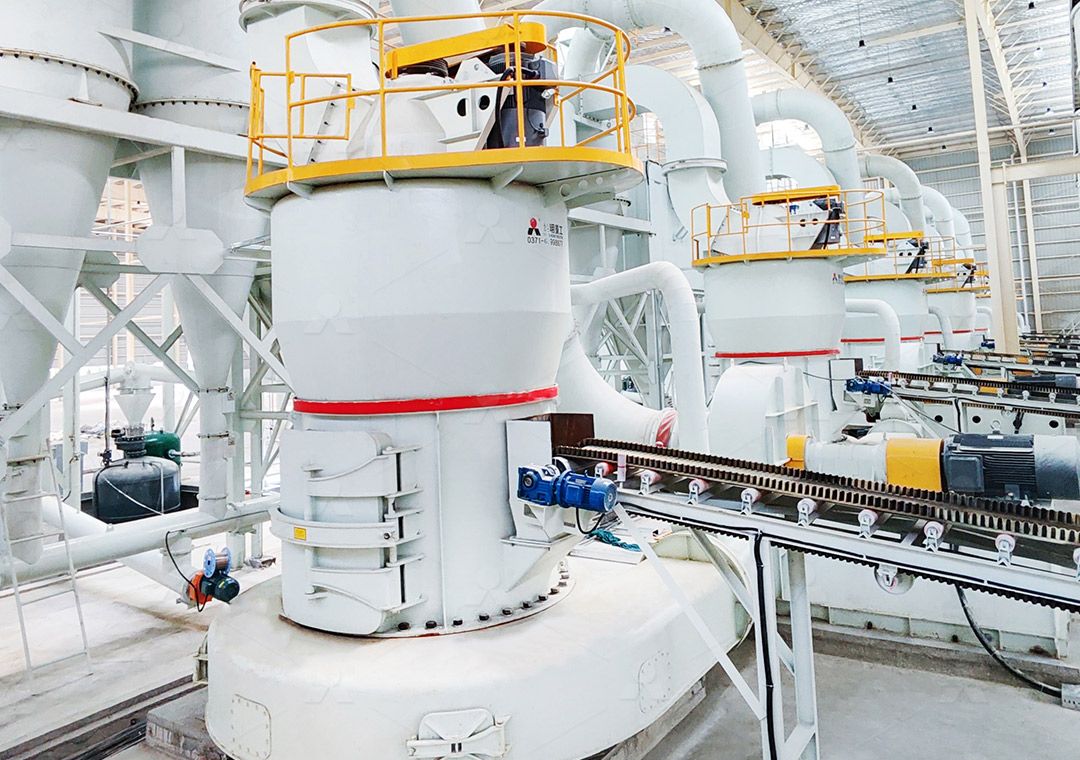
Recommended Solution: The MW Ultrafine Grinding Mill
For operations prioritizing ultra-fine powder production with exceptional environmental and operational efficiency, the MW Ultrafine Grinding Mill stands out as an exemplary choice. Engineered for customers requiring precise ultra-fine powder, this mill is particularly well-suited for high-value kaolin processing.
Its design directly addresses the core challenges of kaolin milling. The mill boasts a 40% higher production capacity compared to jet or stirred mills at the same fineness and power, while consuming only 30% of the energy of a jet mill. This translates to significantly lower operating costs. A standout feature for kaolin is the absence of rolling bearings and screws within the grinding chamber, virtually eliminating a major source of iron contamination and ensuring a cleaner, brighter final product.
The fineness is expertly controlled by a German-technology-inspired cage-type powder selector, allowing precise adjustment between 325 and 2500 meshes. Furthermore, the system is designed with sustainability at its core, featuring an efficient pulse dust collector and muffler to ensure dust-free and low-noise operation, fully aligning with national environmental protection standards. With an input size of 0-20 mm and a capacity range of 0.5-25 tph, the MW series offers both versatility and scalability for various production needs.
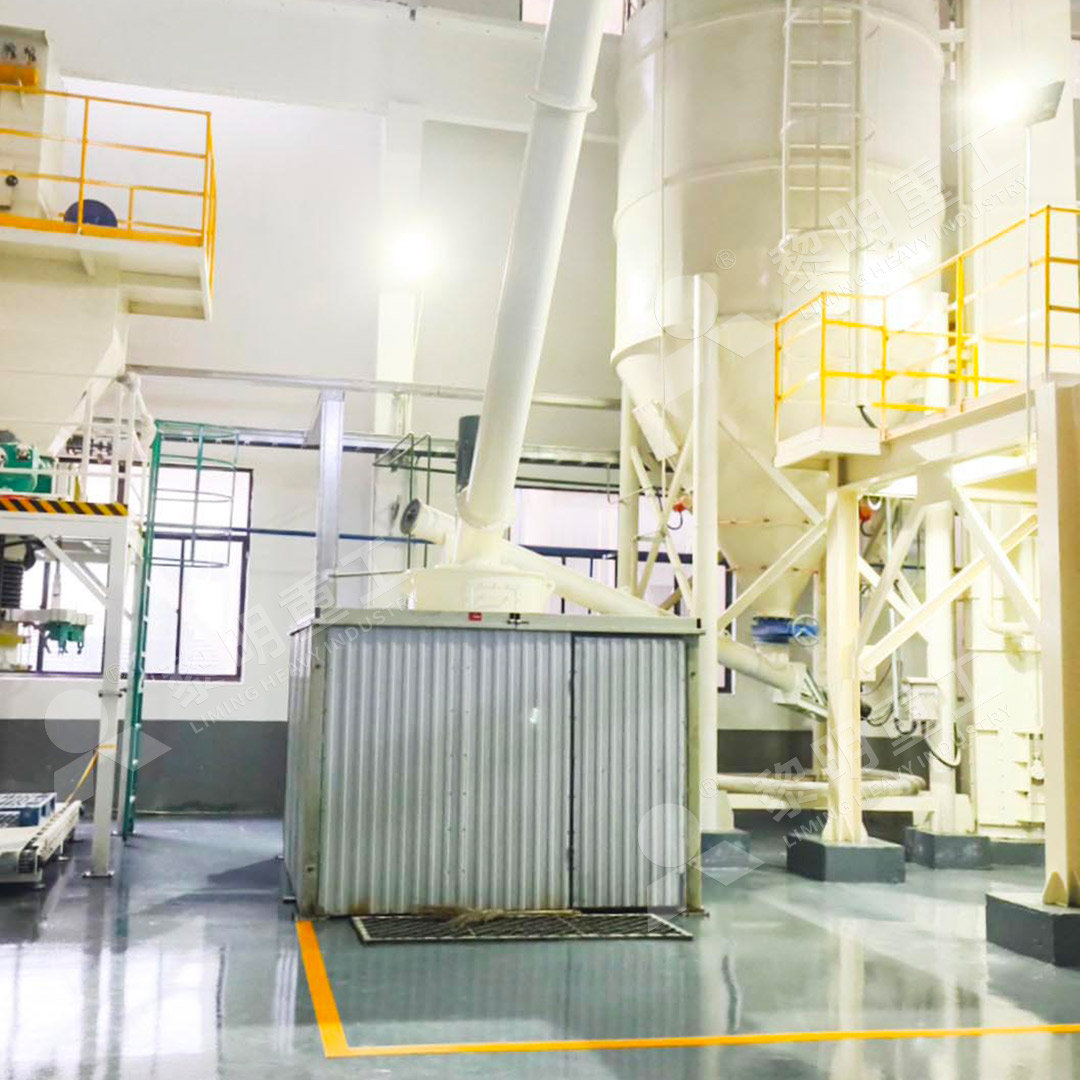
Ensuring Long-Term Performance and Support
Investing in advanced grinding technology is a long-term commitment. Beyond the machine’s specifications, the manufacturer’s support ecosystem is vital. This includes the guaranteed supply of original, high-precision spare parts—especially for core wear components like grinding rollers and rings—and readily available technical service. A manufacturer that oversees both production and sales can provide seamless accountability and ensure worry-free operation throughout the mill’s lifecycle, protecting your investment and securing your supply chain.
Conclusion
The pursuit of high-quality kaolin products is fundamentally driven by the capabilities of the grinding mill. By choosing a system that integrates high yield, energy efficiency, precise classification, contamination control, and environmental stewardship, producers can achieve a decisive competitive advantage. Technologies like the MW Ultrafine Grinding Mill represent the forefront of this field, enabling industries to transform raw kaolin into consistently superior powders that meet the exacting demands of tomorrow’s markets.
Frequently Asked Questions (FAQ)
1. What is the typical fineness range achievable for kaolin with your grinding mills?
Our advanced mills, such as the MW Ultrafine Grinding Mill, are designed to produce kaolin powder with fineness precisely adjustable between 325 meshes (approximately 45 microns) and 2500 meshes (approximately 5 microns). The integrated high-precision powder selector ensures consistent particle size distribution for various application requirements.
2. How do your mills prevent iron contamination in the final kaolin product?
We employ several design strategies to minimize metallic wear. A key feature in models like the MW series is the elimination of rolling bearings and screws inside the grinding chamber itself. Additionally, the use of wear-resistant alloy materials for grinding rollers and rings, combined with non-contact grinding principles in some vertical mill designs, drastically reduces iron content, preserving the natural whiteness and purity of the kaolin.
3. What are the main advantages of your mills in terms of energy consumption?
Our mills are engineered for optimal energy efficiency. Through innovations like newly designed grinding curves, efficient transmission systems, and low-resistance aerodynamic profiles, they can achieve significantly higher yields per unit of energy consumed. For example, the MW Ultrafine Grinding Mill can reduce system energy consumption by up to 70% compared to traditional jet mills while increasing output.
4. Do your grinding systems include environmental protection features?
Yes, environmental compliance is a core design principle. Our standard milling systems are equipped with high-efficiency pulse jet dust collectors that capture over 99.9% of particulate matter, ensuring dust-free operation. Integrated mufflers and sound insulation rooms are also configured to reduce operational noise, allowing the entire system to meet stringent national and international environmental standards.
5. What kind of after-sales support and spare parts availability can we expect?
As a full-cycle manufacturer responsible for both production and sales, we guarantee comprehensive support. We maintain a sufficient inventory of original, high-precision spare parts, especially for critical wear components. Our technical service team provides expert advice, installation guidance, and maintenance support to ensure continuous, worry-free operation and maximize the lifespan of your equipment.