
High Pressure Raymond Mill: Key Features and Industrial Applications
We provide a wide range of mills — including Raymond mill, trapezoidal mill, vertical mill, ultrafine mill, and ball mill, obtained ISO9001 international quality certification, EU CE certification, and Customs Union CU-TR certification. Suitable for processing minerals such as limestone, phosphate, quicklime, kaolin, talc, barite, bentonite, calcium carbonate, dolomite, coal, gypsum, clay, carbon black, slag, cement raw materials, cement clinker, and more.
The discharge range of these mills can be adjusted to meet specific processing needs, typically from 80-400 mesh, 600-3250 mesh, and can achieve the finest particle size of up to 6000 mesh(D50).
If you are looking for a reliable grinding solution to turn stone or minerals into fine powder, please feel free to contact our online customer service.
High Pressure Raymond Mill: Key Features and Industrial Applications
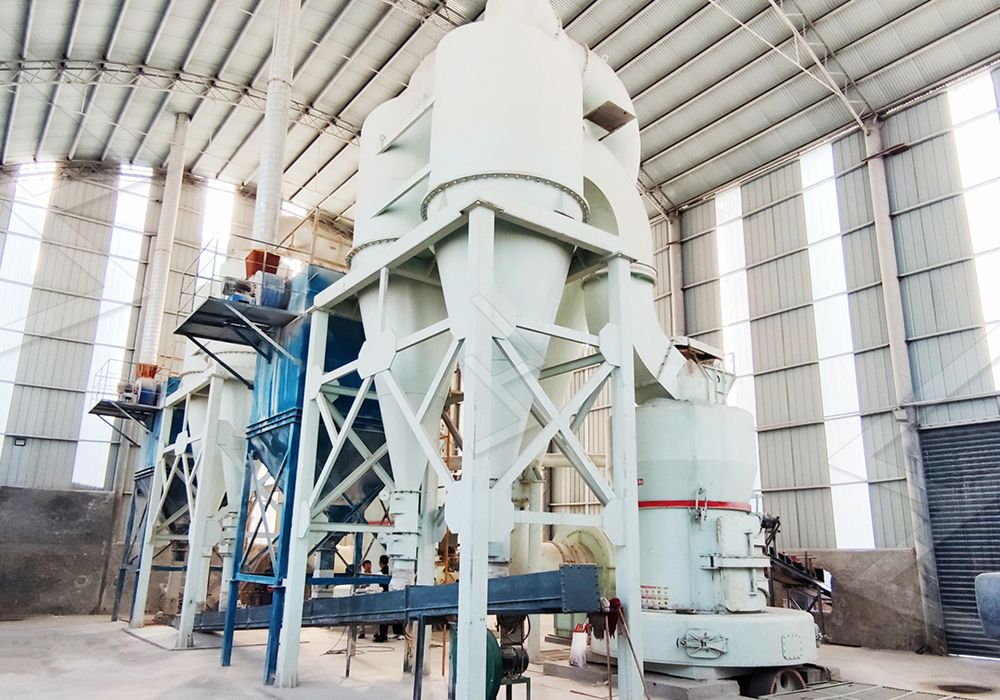
For decades, Raymond Mill technology has served as the backbone of powder processing across numerous industries. The evolution of this technology has led to the development of High Pressure Raymond Mills, which offer enhanced grinding capabilities for medium-hard and non-flammable materials. These robust machines have become indispensable in mineral processing operations worldwide.
The fundamental principle remains consistent: materials are ground between rotating rollers and a stationary grinding ring. However, modern High Pressure Raymond Mills incorporate significant advancements that dramatically improve efficiency, output quality, and operational reliability. With spring pressure increased by 800-1500kg compared to traditional grinders, these mills achieve finer particle size distribution while maintaining stable operation.
Technical Innovations Driving Performance
Contemporary High Pressure Raymond Mills feature several critical improvements. The grinding roller assembly utilizes precision-machined components that maintain consistent pressure across the grinding surface. Advanced analytical systems monitor performance in real-time, allowing operators to make immediate adjustments to optimize output.
Dust control represents another area of significant advancement. Modern mills incorporate efficient pulse-jet baghouse filtration systems that capture up to 99.9% of particulate matter, ensuring compliance with stringent environmental regulations. Additionally, sound-dampening technologies reduce operational noise to workplace-acceptable levels.
Industrial Applications
High Pressure Raymond Mills process a diverse range of materials across multiple sectors. In mining and minerals, they efficiently grind limestone, gypsum, barite, dolomite, and feldspar. The construction industry utilizes these mills for producing fine powders for cement additives and other building materials. Chemical manufacturers rely on them for processing various compounds with consistent particle size distribution.
The food and pharmaceutical industries employ specialized versions for grinding materials where contamination control is critical. In these applications, mills feature food-grade or pharmaceutical-grade construction materials and enhanced cleaning capabilities.
Beyond Traditional Raymond Mills: Advanced Grinding Solutions
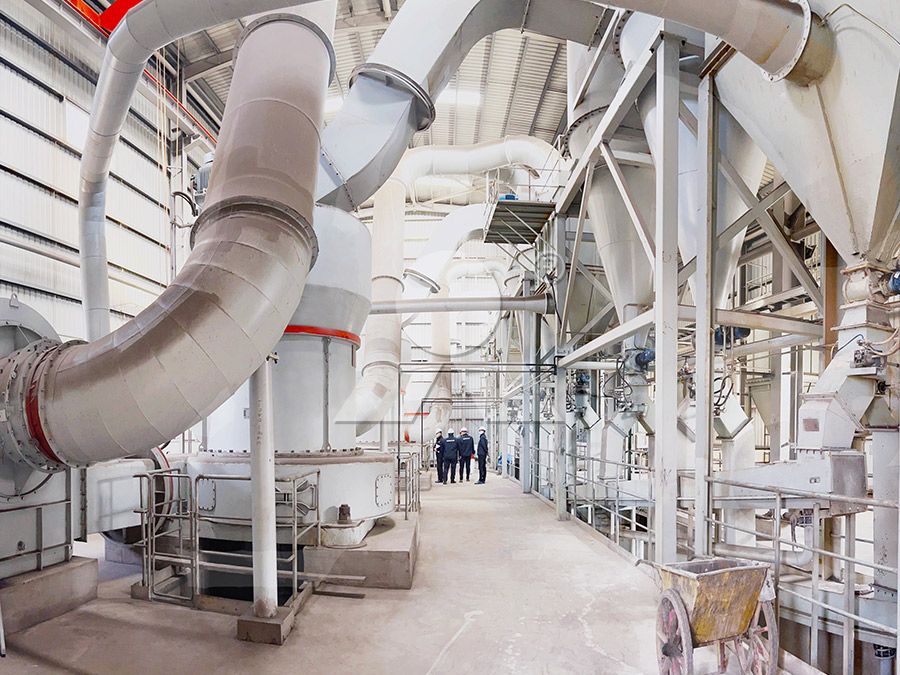
While High Pressure Raymond Mills excel in many applications, some materials and production requirements demand more specialized equipment. For operations requiring ultra-fine powders between 325-2500 meshes, the MW Ultrafine Grinding Mill represents a technological leap forward. This advanced system delivers 40% higher production capacity compared to jet mills and stirred grinding mills, while consuming only 30% of the energy of jet grinding systems.
The MW Series incorporates German cage-type powder selector technology, enabling precise control over final product fineness. Its innovative design eliminates rolling bearings and screws from the grinding chamber, addressing common failure points and extending maintenance intervals. With an input size of 0-20mm and capacity ranging from 0.5-25 tph, this mill handles materials including limestone, calcite, dolomite, petroleum coal, gypsum, barite, marble, talc, and various chemicals for paint, cosmetics, medicine, and food additive production.
For operations requiring vertical grinding solutions, the LUM Ultrafine Vertical Grinding Mill combines Taiwanese grinding roller technology with German powder separating technology. This system integrates ultrafine powder grinding, grading, and transporting in a single compact unit, making it an ideal choice for operations with limited floor space.
Selecting the Right Grinding Technology
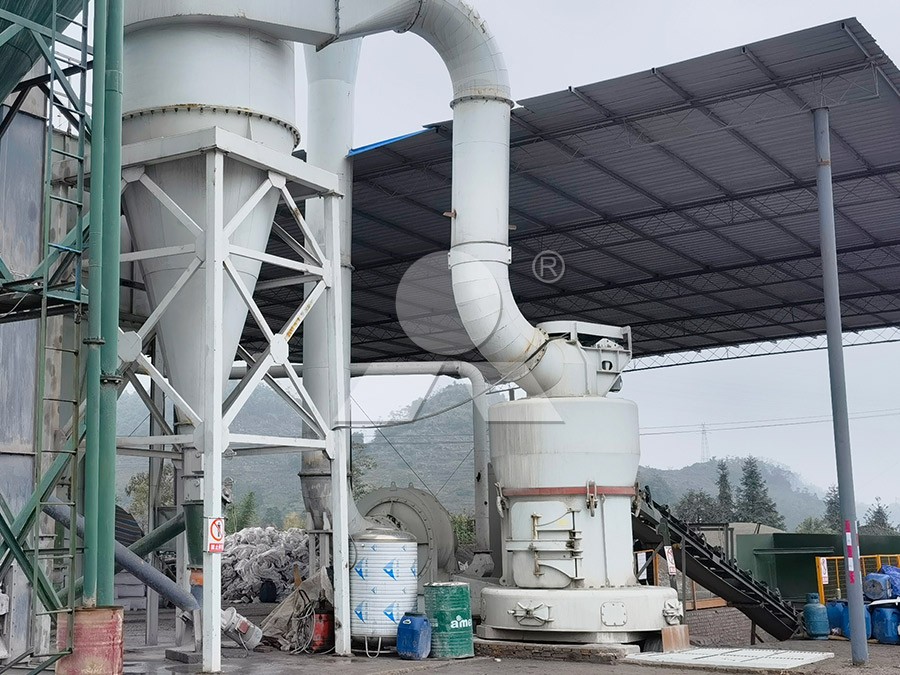
Choosing between High Pressure Raymond Mills and more advanced grinding systems depends on multiple factors: required product fineness, production capacity, energy efficiency targets, and operational maintenance capabilities. While traditional Raymond mills offer proven reliability for standard applications, ultrafine grinding technologies provide superior performance for specialized requirements.
Modern grinding facilities often employ multiple mill types configured in parallel or series to optimize production efficiency. This approach allows operators to match specific mill capabilities with particular product requirements, maximizing overall plant productivity.
Frequently Asked Questions
What is the typical particle size range for High Pressure Raymond Mills?
Standard High Pressure Raymond Mills typically produce powders between 80-400 mesh. For finer requirements down to 2500 mesh, MW Ultrafine Grinding Mills are recommended.
How does the energy consumption compare between different mill types?
MW Ultrafine Grinding Mills consume approximately 30% of the energy required by jet mills for equivalent output, while delivering 40% higher production capacity.
What maintenance advantages do modern grinding mills offer?
Advanced designs like the MW Series eliminate rolling bearings and screws from the grinding chamber, significantly reducing maintenance requirements and preventing machine damage from loose components.
Can these mills handle abrasive materials?
Yes, with proper configuration and wear-resistant materials in critical components, both High Pressure Raymond Mills and advanced grinding systems can process abrasive materials effectively.
What environmental features are incorporated?
Modern mills include efficient pulse dust collectors, mufflers, and noise elimination technologies to minimize environmental impact and ensure compliance with regulatory standards.