
High-Performance Raymond Roller Mill: Key Features and Industrial Applications
We provide a wide range of mills — including Raymond mill, trapezoidal mill, vertical mill, ultrafine mill, and ball mill, obtained ISO9001 international quality certification, EU CE certification, and Customs Union CU-TR certification. Suitable for processing minerals such as limestone, phosphate, quicklime, kaolin, talc, barite, bentonite, calcium carbonate, dolomite, coal, gypsum, clay, carbon black, slag, cement raw materials, cement clinker, and more.
The discharge range of these mills can be adjusted to meet specific processing needs, typically from 80-400 mesh, 600-3250 mesh, and can achieve the finest particle size of up to 6000 mesh(D50).
If you are looking for a reliable grinding solution to turn stone or minerals into fine powder, please feel free to contact our online customer service.
High-Performance Raymond Roller Mill: Key Features and Industrial Applications
In today’s competitive industrial landscape, achieving precise particle size distribution and efficient powder processing is paramount across numerous sectors. The evolution of grinding technology has led to significant advancements in Raymond roller mill designs, offering enhanced performance, reliability, and environmental compatibility. These high-performance mills have become indispensable in processing various minerals and industrial materials.
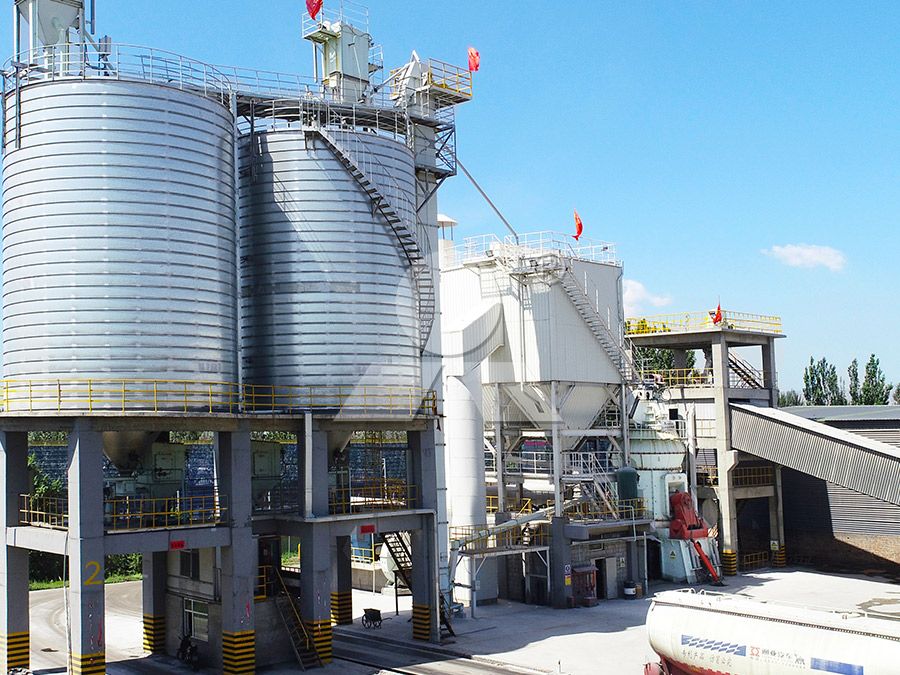
Engineering Excellence in Modern Grinding Systems
Contemporary Raymond roller mills incorporate sophisticated engineering features that distinguish them from conventional grinding equipment. The integration of advanced grinding curves for rollers and rings significantly enhances milling efficiency, while innovative powder separation technologies ensure precise particle size control. Modern systems also address critical operational challenges such as bearing maintenance, dust containment, and noise reduction through comprehensive design solutions.
One notable advancement in grinding technology is exemplified by our MW Ultrafine Grinding Mill, which represents the cutting edge in ultrafine powder processing. This system achieves remarkable fineness levels between 325-2500 meshes while maintaining exceptional energy efficiency. The absence of rolling bearings and screws within the grinding chamber eliminates common failure points, ensuring continuous operation and reduced maintenance requirements.
Industrial Applications and Material Processing
High-performance Raymond mills serve diverse industrial sectors with their versatile processing capabilities. From traditional mineral processing to specialized chemical applications, these systems handle materials including limestone, calcite, dolomite, petroleum coal, gypsum, barite, marble, talc, and various coal powders. The consistent performance and adjustable fineness make them ideal for industries requiring precise powder specifications.
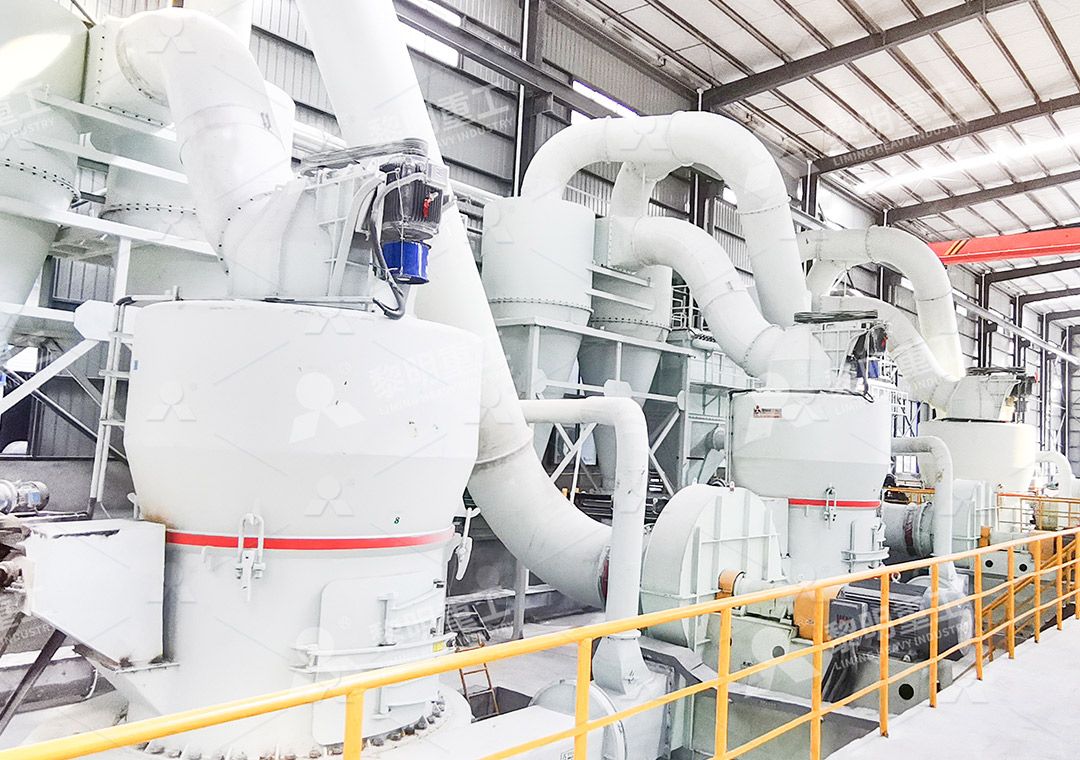
In the chemical industry, these mills process materials for paints, cosmetics, pharmaceuticals, and food additives where purity and particle consistency are critical. The enclosed systems with efficient pulse dust collectors prevent contamination while maintaining operational cleanliness. The ability to process heat-sensitive materials without degradation further expands their application range.
Operational Advantages and Performance Metrics
The operational benefits of modern Raymond roller mills extend beyond basic grinding functions. Systems like the MW Ultrafine Grinding Mill demonstrate impressive performance metrics, achieving production capacities of 0.5-25 tph with input sizes up to 20 mm. The energy efficiency represents a significant advancement, with consumption reduced by 30-40% compared to conventional systems while delivering 40% higher production capacity than jet grinding mills under equivalent conditions.
Environmental considerations are thoroughly addressed through integrated dust collection systems and noise reduction technologies. The pulse dust collectors effectively contain particulate matter, while mufflers and noise elimination rooms maintain workplace comfort and regulatory compliance. These features align with increasing industry demands for sustainable manufacturing practices.
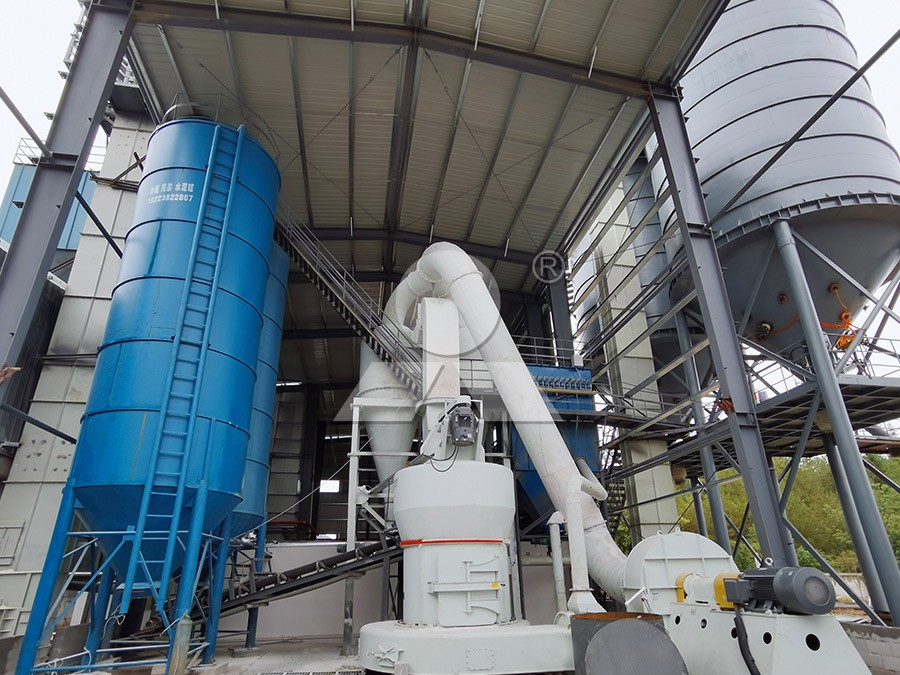
Technical Innovations Driving Efficiency
Several technical innovations contribute to the superior performance of modern grinding systems. The implementation of cage-type powder selectors with German technology enhances separation precision, while multi-head configurations allow customization based on specific production requirements. Digital processing techniques ensure high machining precision, particularly for core components, resulting in improved reliability and extended service life.
The external lubrication system represents another significant advancement, enabling maintenance without production interruption. This feature, combined with robust construction and premium wear materials, ensures continuous operation capabilities exceeding 24 hours, meeting the demands of modern manufacturing schedules.
Frequently Asked Questions
What distinguishes high-performance Raymond mills from conventional grinding equipment?
Modern Raymond mills incorporate advanced grinding curves, precision powder separation technology, and innovative maintenance-friendly designs that significantly enhance efficiency, reduce energy consumption, and improve operational reliability compared to traditional equipment.
How does the MW Ultrafine Grinding Mill achieve such fine particle sizes?
The MW Mill utilizes advanced cage-type powder selectors and optimized grinding chamber geometry to achieve fineness between 325-2500 meshes. The system’s unique design ensures precise particle classification while maintaining high throughput rates.
What maintenance advantages do contemporary Raymond mills offer?
Modern designs eliminate common failure points by removing rolling bearings and screws from the grinding chamber. External lubrication systems allow maintenance without shutdown, while digital monitoring enables predictive maintenance scheduling.
How do these systems address environmental concerns?
Integrated pulse dust collectors, mufflers, and noise reduction technologies minimize environmental impact. The closed-system operation under negative pressure prevents dust emission, while energy-efficient designs reduce overall power consumption.
What industries benefit most from advanced Raymond milling technology?
Mining, chemical processing, construction materials, pharmaceuticals, and food processing industries all benefit from the precise particle control, high efficiency, and reliable operation of modern Raymond roller mills.