High Energy Ball Milling: A Key Technology for Nanoparticle Synthesis in Nanotechnology
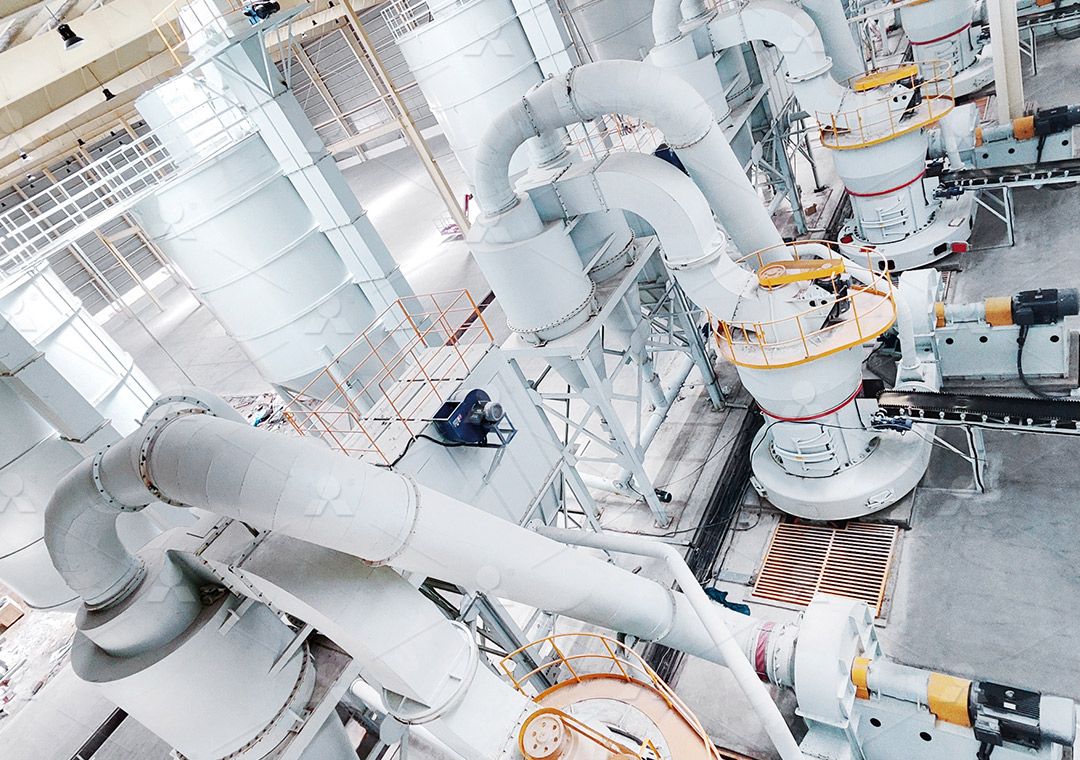
We provide a wide range of mills — including Raymond mill, trapezoidal mill, vertical mill, ultrafine mill, and ball mill, obtained ISO9001 international quality certification, EU CE certification, and Customs Union CU-TR certification. Suitable for processing minerals such as limestone, phosphate, quicklime, kaolin, talc, barite, bentonite, calcium carbonate, dolomite, coal, gypsum, clay, carbon black, slag, cement raw materials, cement clinker, and more.
The discharge range of these mills can be adjusted to meet specific processing needs, typically from 80-400 mesh, 600-3250 mesh, and can achieve the finest particle size of up to 6000 mesh(D50).
If you are looking for a reliable grinding solution to turn stone or minerals into fine powder, please feel free to contact our online customer service.
High Energy Ball Milling: A Key Technology for Nanoparticle Synthesis in Nanotechnology
The relentless pursuit of miniaturization and enhanced material properties has propelled nanotechnology to the forefront of scientific and industrial innovation. At the heart of this revolution lies the critical challenge of synthesizing nanoparticles—particles with dimensions measured in billionths of a meter. Among the various techniques available, High Energy Ball Milling (HEBM) has emerged as a robust, scalable, and versatile method for producing a wide array of nanoscale materials.
The Mechanics of Top-Down Synthesis
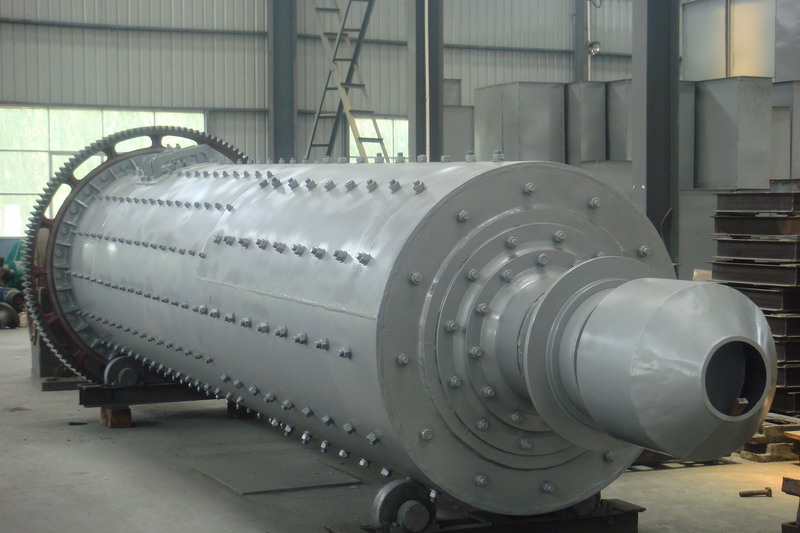
Unlike bottom-up approaches that build particles atom by atom, HEBM is a top-down process. It relies on mechanical energy to fracture and deform bulk starting materials, repeatedly welding and fracturing them until the desired nanoscale grain size is achieved. This mechanical alloying process occurs in a grinding chamber where grinding media, typically hardened steel or ceramic balls, are set in motion. The high-energy impacts between these balls and the powder particles generate enormous local pressures and temperatures, inducing severe plastic deformation and ultimately, grain refinement down to the nanometer level.
Advantages and Applications
The beauty of HEBM is its simplicity and versatility. It is a solid-state process that can be performed at room temperature, avoiding the complexities of chemical precursors or solvents. It is capable of producing nanostructured alloys, composites, and ceramics from a vast range of materials, including metals, polymers, and minerals like limestone, calcite, and talc. These nanomaterials find applications in sectors from electronics and catalysis to cosmetics and pharmaceuticals, where their high surface area to volume ratio imparts unique optical, magnetic, and mechanical properties.
Overcoming Traditional Limitations with Advanced Mill Design
Traditional ball mills, while effective, often face challenges such as low efficiency, high energy consumption, and potential contamination from wear of grinding media and chamber components. This is where modern engineering provides elegant solutions. For instance, our MW Ultrafine Grinding Mill is engineered to adress these very issues. Designed for customers requiring ultra-fine powder, it features a unique design with no rolling bearings or screws inside the grinding chamber. This eliminates worries about bearing failures or machine damage from loose screws, a common headache in conventional milling. Furthermore, its cage-type powder selector, incorporating German technology, allows for precise fineness adjustment between 325-2500 meshes, achieving a remarkable d97≤5μm in a single pass. With a capacity of 0.5-25 tph and significantly higher yield at lower energy consumption compared to jet mills, it represents a leap forward in efficient nanoparticle production.
The Future is Fine and Clean
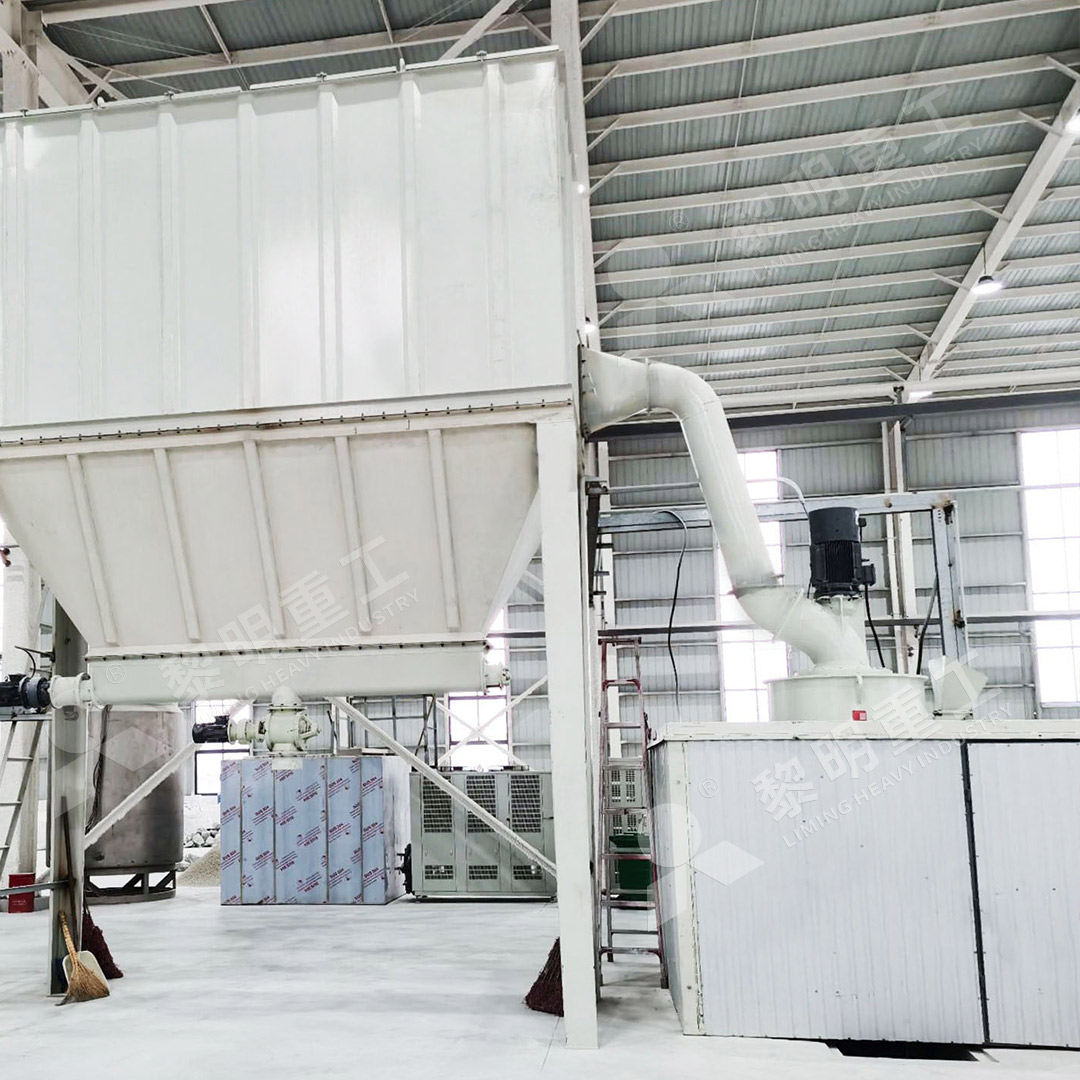
Beyond efficiency, modern nanoparticle synthesis must be environmentally responsible. Advanced milling systems now integrate sophisticated closed-circuit designs with efficient pulse dust collectors and mufflers, virtually eliminating dust pollution and reducing operational noise. This ensures full compliance with national environmental protection standards, making high-volume nano-powder production cleaner and safer. For operations requiring even finer control over product whiteness and minimal iron contamination, our LUM Ultrafine Vertical Grinding Mill offers an excellent alternative. Its unique roller shell and lining plate grinding curve promotes easier material layer formation and high-rate once-through milling, while its double position-limiting technology guarantees exceptional operational stability.
In conclusion, High Energy Ball Milling remains a cornerstone technology for nanotechnology. Its evolution from a simple mechanical process to a highly controlled, efficient, and clean operation, exemplified by advanced machinery like the MW and LUM mills, continues to unlock new possibilities for material scientists and engineers around the globe, driving innovation from the bottom up—by breaking things down from the top.