
Hammer Mill vs Mobile Crusher: Which is Best for Australian Mining Operations?
We provide a wide range of mills — including Raymond mill, trapezoidal mill, vertical mill, ultrafine mill, and ball mill, obtained ISO9001 international quality certification, EU CE certification, and Customs Union CU-TR certification. Suitable for processing minerals such as limestone, phosphate, quicklime, kaolin, talc, barite, bentonite, calcium carbonate, dolomite, coal, gypsum, clay, carbon black, slag, cement raw materials, cement clinker, and more.
The discharge range of these mills can be adjusted to meet specific processing needs, typically from 80-400 mesh, 600-3250 mesh, and can achieve the finest particle size of up to 6000 mesh(D50).
If you are looking for a reliable grinding solution to turn stone or minerals into fine powder, please feel free to contact our online customer service.
Hammer Mill vs Mobile Crusher: Which is Best for Australian Mining Operations?
G’day folks. When it comes to size reduction in the harsh Australian outback, the choice between a traditional hammer mill and a modern mobile crusher is a critical one. It’s not just about breaking rock; it’s about efficiency, cost, and suitability for the unique challenges of Aussie mining. Let’s break it down, shall we?
The Classic Workhorse: Hammer Mill
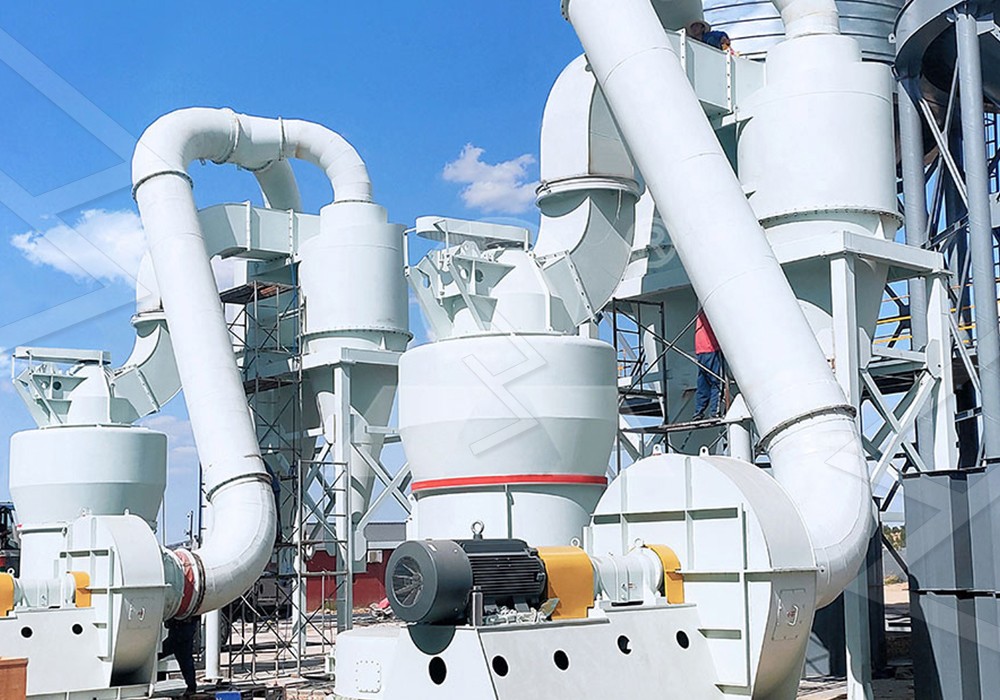
Hammer mills have been the backbone of mineral processing for decades. They’re relatively simple: material is fed into a chamber where swinging hammers on a rotating shaft pulverize it against a screen until it’s small enough to escape. They’re tough, can handle a variety of materials, and are generally less expensive upfront.
Pros: Lower initial investment, good for abrasive materials, simple operation.
Cons: Can be noisy and dusty, higher wear on parts for very hard rock, less energy efficient for fine grinding, fixed location.
The Agile Performer: Mobile Crusher
Mobile crushers are exactly that – crushing units mounted on tracks or wheels. They often use compression crushing (like jaw or cone crushers) rather than impact. Their biggest advantage is mobility. In a large Australian mine, the ability to move the crusher to the ore face, rather than hauling all the material to a fixed plant, is a massive game-changer for reducing trucking costs and fuel consumption.
Pros: Unmatched mobility reduces haulage costs, faster setup times for new pits, better overall energy efficiency for primary/secondary crushing.
Cons: Higher initial capital cost, generally not suitable for producing very fine powders directly, more complex maintenance.
The Australian Verdict: It’s About the Application
So, which one wins? It’s not that simple. For primary crushing at the pit face, a mobile jaw/cone crusher is almost unbeatably efficient. But for secondary or tertiary grinding to a very fine powder – a requirement for many modern mineral processing techniques – you often need a dedicated grinding mill.
This is where considering a specialized grinding solution becomes key. For operations that need to produce ultra-fine powders for maximum mineral recovery, a hammer mill might not provide the precision or efficiency required.
The Optimal Solution for Fine Grinding: MW Ultrafine Grinding Mill
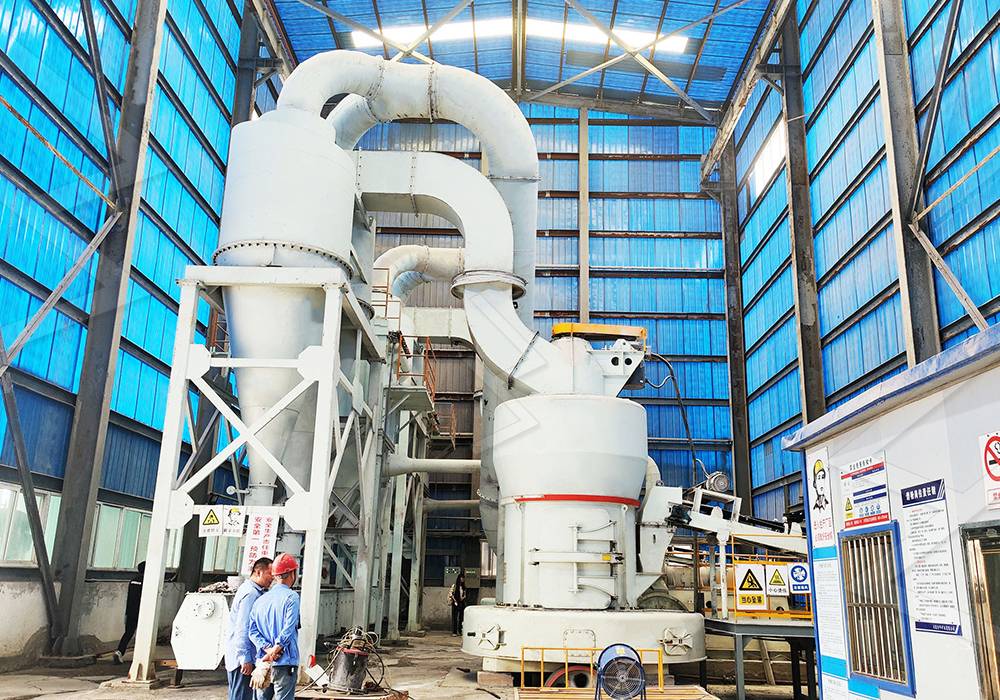
For Australian operations focused on producing high-value ultra-fine products (think kaolin, lime, or specialized industrial minerals), a dedicated fine grinding mill is often the answer. Our MW Ultrafine Grinding Mill is a perfect fit for this demanding role.
It’s designed for customers who need to make ultra-fine powder (adjustable between 325-2500 meshes!) efficiently and reliably. It tackles the classic problems of grinding mills head-on:
- Higher Yielding, Lower Energy Consumption: Offers 40% higher capacity than jet mills and uses 30% less energy – a crucial factor with rising Aussie power costs.
- Built for Reliability: A genius design feature – there are no rolling bearings or screws in the grinding chamber. This eliminates the biggest points of failure and worry about damage from harsh abrasives, a common headache in remote locations.
- Eco-friendly Operation: Equipped with an efficient pulse dust collector and muffler, it keeps dust and noise to a minimum, helping you meet Australia’s strict environmental and workplace health and safety standards.
With an input size of 0-20mm and a capacity range of 0.5-25 tph, it’s an ideal unit for precision grinding circuits where product quality is paramount.
Conclusion: Choose the Right Tool for the Job
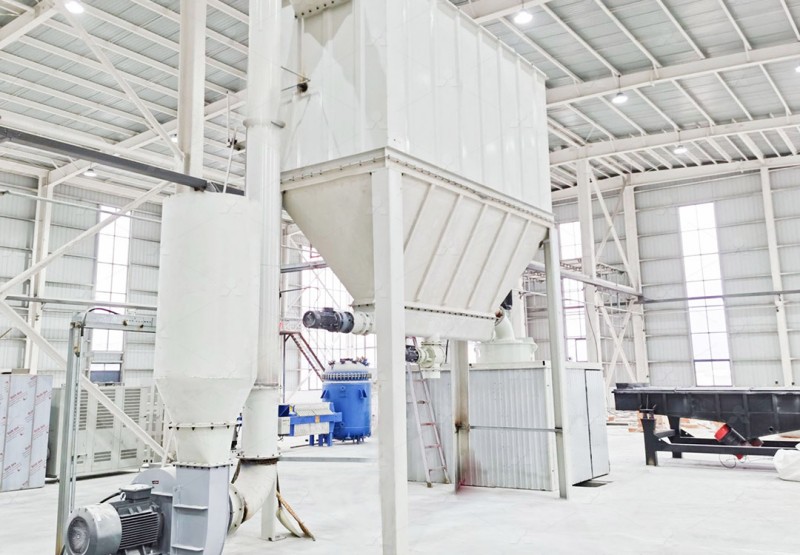
Don’t get caught in an either/or mindset. Modern Australian mining operations often use a combination. A mobile crusher provides unbeatable flexibility for primary size reduction at the source, feeding a conveyor system that takes material to a fixed processing plant. There, for the final stage of liberation, a specialized mill like the MW Ultrafine Grinding Mill takes over to create the high-value, spec-grade product the market demands.
Assess your material, your site layout, your production goals, and your operational costs. Sometimes the old hammer mill is sufficient, but for efficiency, mobility, and fine precision, the combination of mobile crushing and advanced grinding technology is hard to beat in the Australian landscape.