Hammer Mill Model No. CF158: Specifications, Features, and Pricing
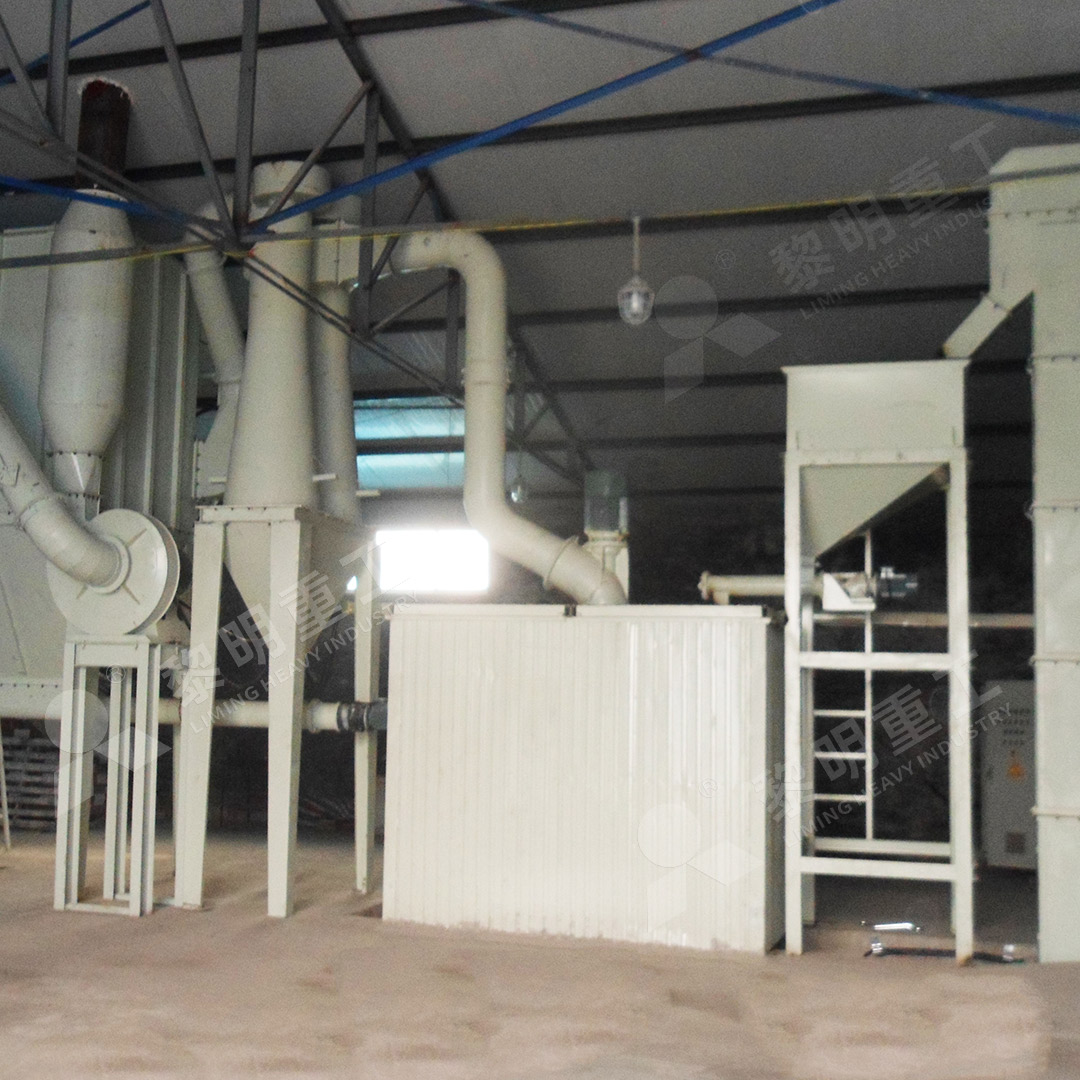
We provide a wide range of mills — including Raymond mill, trapezoidal mill, vertical mill, ultrafine mill, and ball mill, obtained ISO9001 international quality certification, EU CE certification, and Customs Union CU-TR certification. Suitable for processing minerals such as limestone, phosphate, quicklime, kaolin, talc, barite, bentonite, calcium carbonate, dolomite, coal, gypsum, clay, carbon black, slag, cement raw materials, cement clinker, and more.
The discharge range of these mills can be adjusted to meet specific processing needs, typically from 80-400 mesh, 600-3250 mesh, and can achieve the finest particle size of up to 6000 mesh(D50).
If you are looking for a reliable grinding solution to turn stone or minerals into fine powder, please feel free to contact our online customer service.
Hammer Mill Model No. CF158: A Workhorse for Coarse Grinding
If you’re in the market for a reliable, no-fuss hammer mill for general farm use or small-scale production, the CF158 is a classic choice that has stood the test of time. This model is the smaller sibling in a popular line, known for its straightforward operation and ability to turn various grains and biomass into a usable, coarse powder. Let’s break down what you can expect.
Key Specifications at a Glance
While the exact specs can vary slightly depending on your power source (electric motor or gasoline engine), here’s the general rundown for the CF158:
- Power Requirement: Typically operates on a 2.2 kW (3 HP) electric motor or a comparable gasoline engine.
- Capacity: Expect a throughput of roughly 60-100 kg/h for corn grain, depending on the screen size installed.
- Rotor Speed: High-speed operation for effective impact grinding.
- Screen Size: Comes with interchangeable screens, often ranging from 0.8mm to 3.0mm, allowing you to control the final product fineness.
- Input Hopper: Designed for easy manual feeding of material.
Standout Features & Operational Benefits
The CF158 isn’t packed with high-tech gadgetry, and that’s part of its appeal. Its strengths lie in its simple, robust design:
- Durable Construction: The grinding chamber is usually made of solid steel, and the hammers are reversible, meaning you can flip them to use both edges before needing replacement—a great cost-saving feature.
- Simple Maintenance: Changing screens or hammers is a relatively straightforward task, minimizing downtime.
- Direct Discharge: The ground material is typically blown directly out into a bag or container, keeping dust contained within the system (though always use proper respiratory protection).
- Versatility: It can handle a variety of dry materials like corn, wheat, oats, and even small branches or biomass for composting, provided the material is dry and not too gummy.
Pricing & Considerations
You’ll typically find the CF158 priced as an affordable entry-point machine. The cost can vary based on whether it’s sold as a standalone unit or includes an electric motor or engine. Always factor in the cost of spare screens and a set of replacement hammers for future maintenance. Remember, this is a machine for coarse to medium grinding. If your operation demands a super-fine, consistent powder for things like premium animal feed or industrial applications, the CF158 will hit its limits.
When to Consider a Step Up
If your projects start requiring a finer, more uniform powder or higher throughput, you’ll need to look at more advanced grinding technology. For ultra-fine powder production in industries like chemicals, cosmetics, or advanced materials processing, a dedicated ultrafine grinding mill is the professional’s choice.
For instance, our MW Ultrafine Grinding Mill is engineered for precisely this purpose. It’s designed for customers who need to make ultra-fine powder from materials like limestone, calcite, dolomite, and talc. With an input size of 0-20 mm and a capacity ranging from 0.5 to 25 tons per hour, it’s a powerhouse. It features a highly efficient cage-type powder selector that allows you to precisely adjust the fineness between 325 and 2500 meshes—far beyond what any hammer mill can achieve. Furthermore, its innovative design has no rolling bearings or screws in the grinding chamber, drastically reducing maintenance worries and the risk of machine damage from loose parts. Paired with an efficient pulse dust collector, it operates in an eco-friendly manner, meeting national environmental standards.
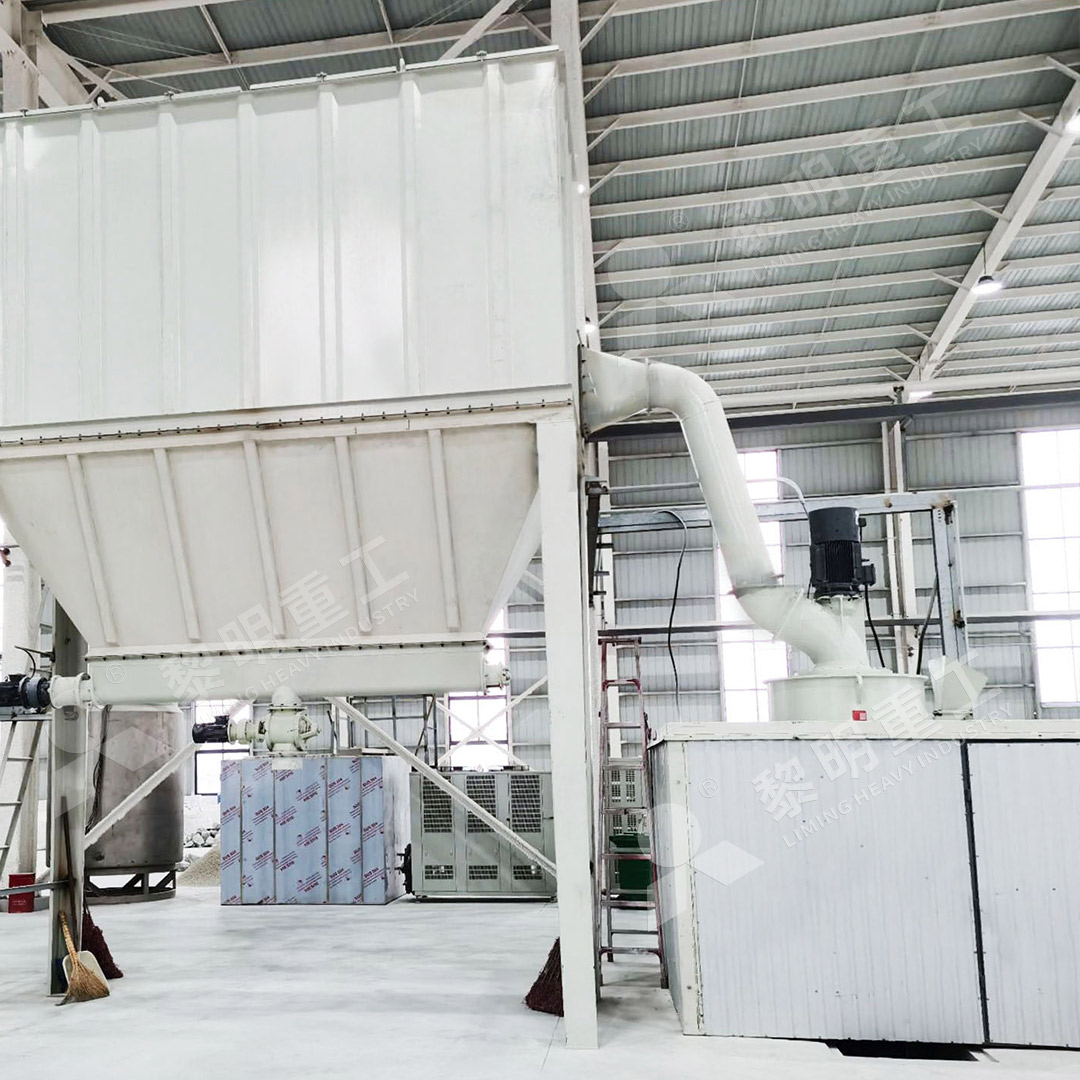
Another excellent alternative for finer, more efficient grinding is the LUM Ultrafine Vertical Grinding Mill. It integrates grinding, grading, and transporting into a single, compact system. Its unique roller shell and lining plate grinding curve generate a stable material layer for higher yielding rates and better product quality. It’s also incredibly energy-efficient, reducing consumption by 30%-50% compared to ordinary mills.
Conclusion
The Hammer Mill Model CF158 is a trustworthy and economical solution for basic grinding tasks. It’s perfect for the farmer, the homesteader, or the small workshop. However, for serious industrial production that demands fine, consistent powders and higher automation, investing in advanced technology like our MW or LUM Ultrafine Mills will yield superior results, lower operating costs, and greater long-term reliability. Evaluate your end-product requirements carefully to choose the right tool for the job.