
Hammer Mill Machine Design and Construction: A Comprehensive Guide
We provide a wide range of mills — including Raymond mill, trapezoidal mill, vertical mill, ultrafine mill, and ball mill, obtained ISO9001 international quality certification, EU CE certification, and Customs Union CU-TR certification. Suitable for processing minerals such as limestone, phosphate, quicklime, kaolin, talc, barite, bentonite, calcium carbonate, dolomite, coal, gypsum, clay, carbon black, slag, cement raw materials, cement clinker, and more.
The discharge range of these mills can be adjusted to meet specific processing needs, typically from 80-400 mesh, 600-3250 mesh, and can achieve the finest particle size of up to 6000 mesh(D50).
If you are looking for a reliable grinding solution to turn stone or minerals into fine powder, please feel free to contact our online customer service.
Hammer Mill Machine Design and Construction: A Comprehensive Guide
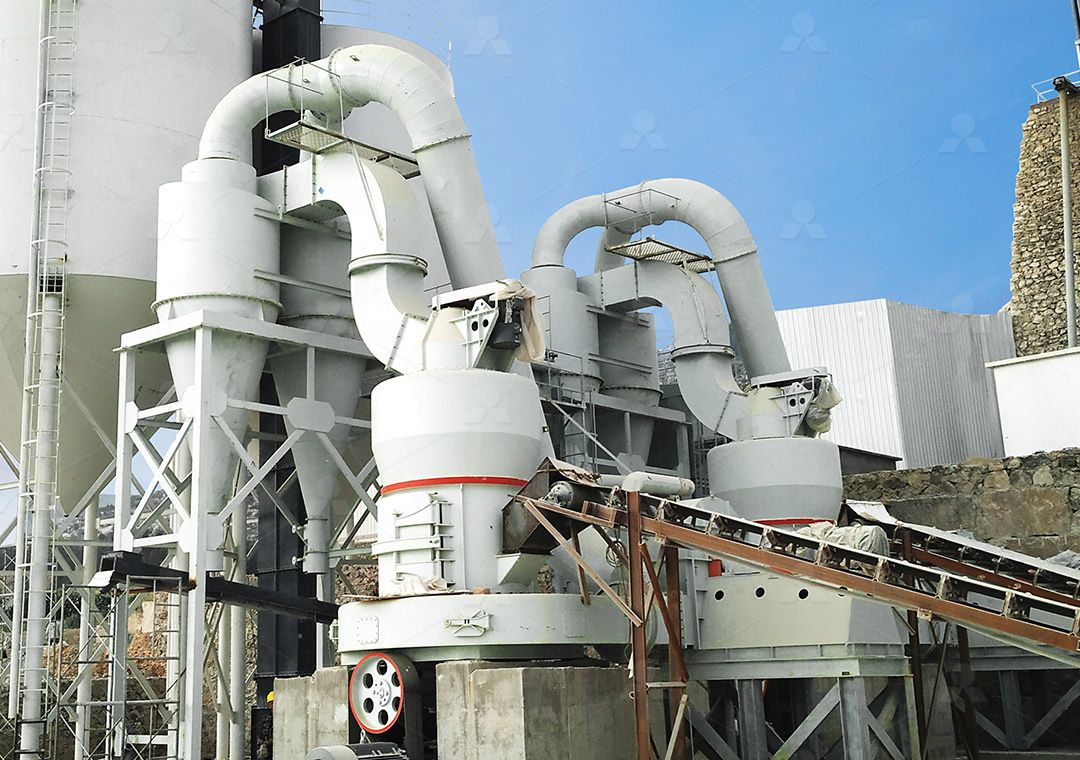
Designing and constructing a reliable hammer mill requires a deep understanding of material science, mechanical engineering, and operational dynamics. These machines are workhorses in industries ranging from mining and agriculture to recycling and chemical processing. The core principle involves impacting materials with rapidly moving hammers to reduce their size. However, the devil is in the details—the quality of construction, the design of the grinding chamber, and the integration of auxiliary systems determine the machine’s efficiency, longevity, and environmental footprint.
Key Design Considerations
A successful hammer mill design balances several competing factors. The rotor assembly, housing the hammers, is the heart of the machine. It must be robust enough to withstand immense centrifugal forces and the shock of impacting hard materials. Engineers must carefully calculate the rotor’s diameter, rotational speed (tip speed), and mass to achieve the desired particle size without excessive energy consumption or wear. The screen or grate surrounding the rotor dictates the final product size; its aperture size and open area are critical for throughput and preventing clogging.
Material selection is paramount. Hammers and liners are subject to extreme abrasion and impact. While high-carbon steel offers good impact resistance, alloys with chromium or manganese are often preferred for their superior wear characteristics in abrasive applications. The housing itself must be designed for easy access for maintenance and screen changes, often incorporating heavy-duty hinges and quick-release mechanisms.
Beyond Basic Grinding: The Need for Advanced Solutions
While traditional hammer mills excel at coarse to medium grinding, many modern applications demand ultra-fine powders with precise particle size distributions. This is where advanced grinding technologies come into play. For customers requiring ultra-fine powder between 325 and 2500 meshes, a standard hammer mill is not sufficient. The solution lies in specialized mill designs that combine impact, shear, and attrition forces more efficiently.
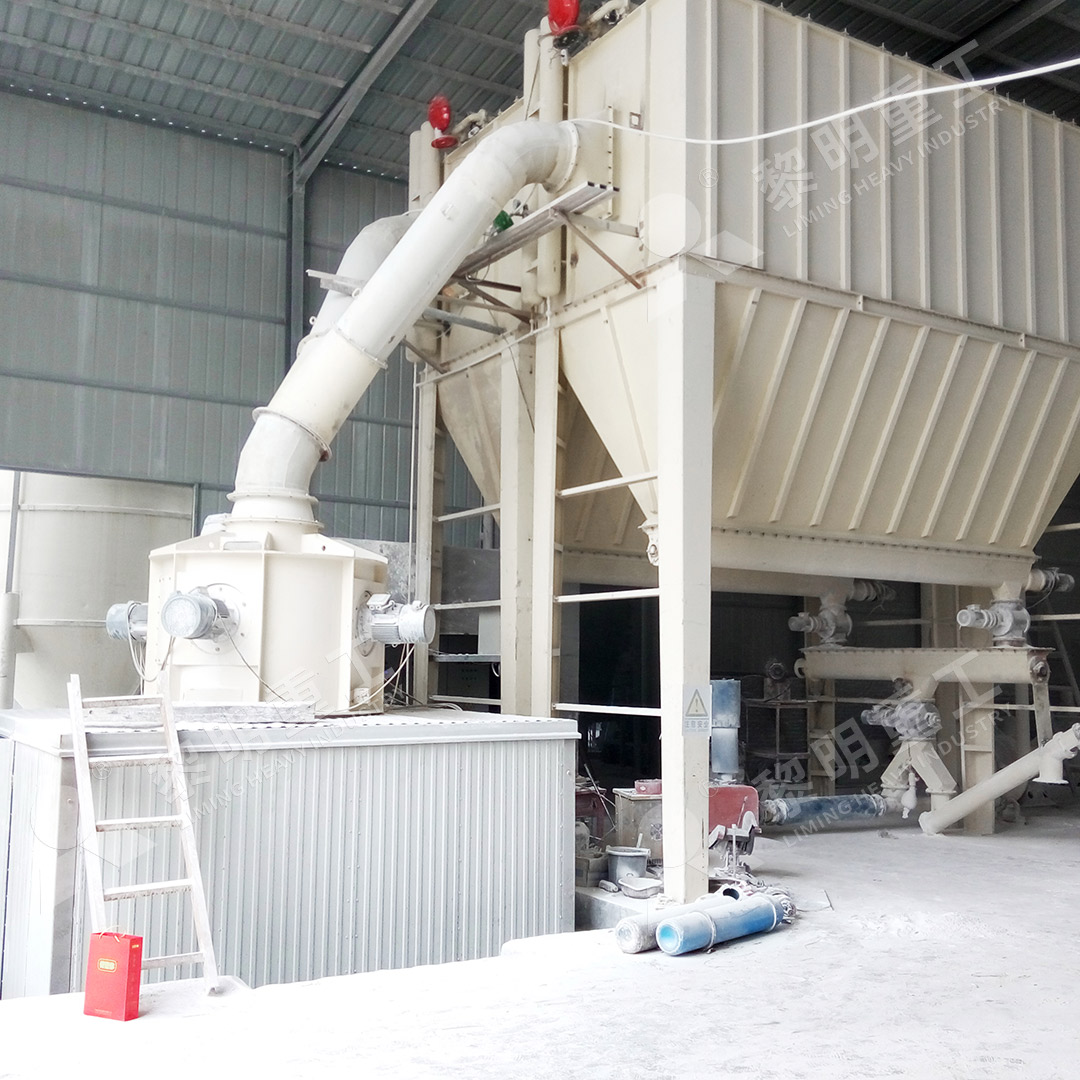
For instance, our MW Ultrafine Grinding Mill is engineered specifically for these demanding tasks. With an input size of 0-20 mm and a capacity ranging from 0.5 to 25 tph, it is designed for customers who need to make ultra-fine powder. A key design advantage is the absence of rolling bearings and screws in the grinding chamber, eliminating common failure points and concerns about loose components causing machine damage. Its efficient pulse dust collector and muffler ensure the production process is clean and quiet, adhering to strict environmental standards.
Integrating Auxiliary Systems for Optimal Performance
The mill itself is only part of the system. Effective design includes integrated feeding, conveying, and dust collection. A consistent, controlled feed rate is essential to prevent overloading the motor or starving the grinding chamber, both of which reduce efficiency. Pneumatic or mechanical conveying systems must be sized to handle the mill’s output without creating bottlenecks.
Dust control is not just an environmental concern; it’s a matter of safety, product recovery, and equipment protection. A well-designed system, like the pulse dust collector on the MW Mill, captures dust at the source, protecting workers and ensuring valuable product isn’t lost to the atmosphere. Furthermore, modern mills often feature advanced digital controls and PLC systems, allowing operators to precisely adjust parameters like feed rate, classifier speed, and grinding pressure for consistent product quality.
Choosing the Right Mill for Your Application
Selecting the appropriate grinding technology depends heavily on the material properties (hardness, moisture content, abrasiveness) and the desired final product specifications. For operations that require vertical integration and processing of slightly larger feed sizes, the LUM Ultrafine Vertical Grinding Mill presents an excellent alternative. With an input size of 0-10 mm and a capacity of 5-18 tph, it integrates ultrafine powder grinding, grading, and transporting in a single, compact unit. Its unique roller shell and lining plate grinding curve are designed for easier material layer generation and higher yielding rates, while its reversible structure significantly simplifies maintenance.
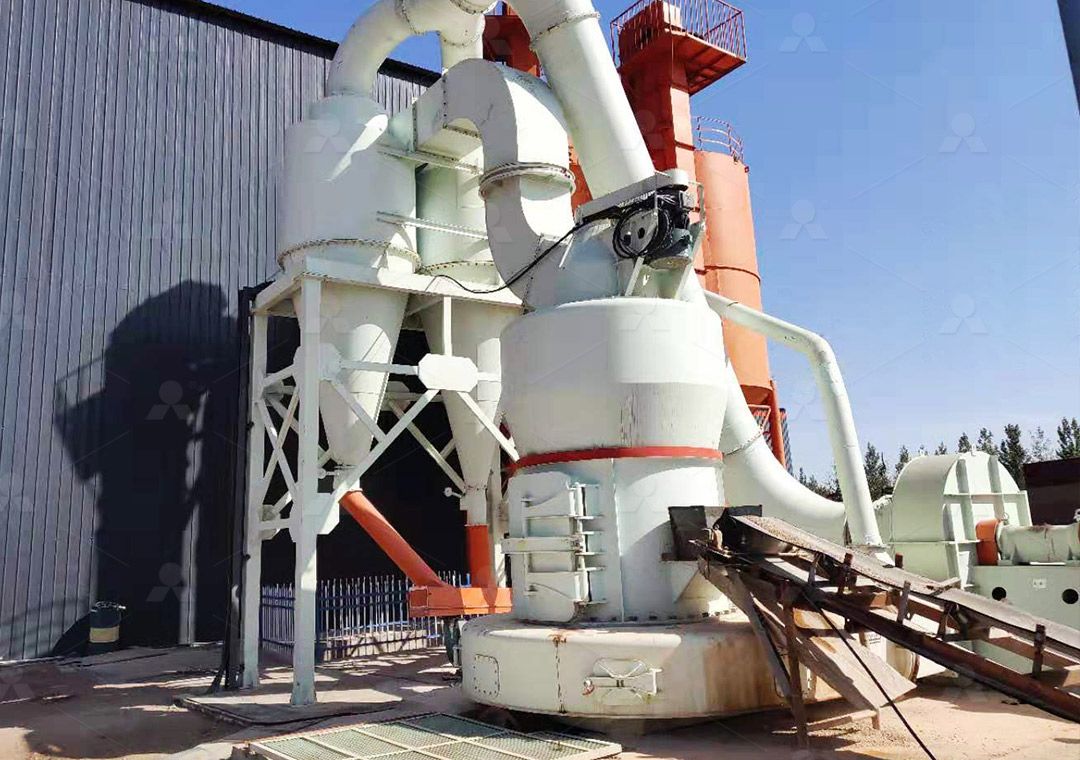
Ultimately, the construction of a hammer mill or any grinding system must prioritize durability, serviceability, and efficiency. From the digitalized processing of core components for higher precision to the strategic placement of lubrication points, every detail contributes to a machine that delivers worry-free operation and a strong return on investment.
Frequently Asked Questions (FAQ)
What is the main difference between a hammer mill and an ultrafine grinding mill?
Hammer mills primarily use impact force from swinging hammers for size reduction and are best for coarse to medium grinding. Ultrafine grinding mills, like the MW series, combine multiple forces (impact, attrition, shear) and often include advanced internal classifiers to produce much finer and more consistently sized powders, typically down to a few microns.
How important is the feed size for a grinding mill?
Extremely important. Exceeding the recommended maximum feed size (e.g., 20mm for the MW Mill) can lead to blockages, excessive wear on hammers or rollers, and potential damage to the mill’s drive system. Pre-crushing large feedstock is often necessary for optimal operation.
Can these mills handle abrasive materials?
Yes, but with considerations. Mills designed for abrasive applications will feature wear-resistant alloys in critical areas like grinding rollers, rings, and liners. However, wear parts will have a shorter service life and should be considered in operating cost calculations.
What are the key benefits of the ‘no rolling bearing in the chamber’ design?
This design, featured in our MW Ultrafine Grinding Mill, eliminates a major vulnerability. Bearings inside the grinding chamber are exposed to dust and high temperatures, leading to premature failure. By placing bearings outside, lubrication is easier, and the risk of catastrophic failure from bearing seizure is drastically reduced, enabling continuous 24/7 operation.