
Hammer Mill Machine Design and Construction: A Comprehensive Guide
We provide a wide range of mills — including Raymond mill, trapezoidal mill, vertical mill, ultrafine mill, and ball mill, obtained ISO9001 international quality certification, EU CE certification, and Customs Union CU-TR certification. Suitable for processing minerals such as limestone, phosphate, quicklime, kaolin, talc, barite, bentonite, calcium carbonate, dolomite, coal, gypsum, clay, carbon black, slag, cement raw materials, cement clinker, and more.
The discharge range of these mills can be adjusted to meet specific processing needs, typically from 80-400 mesh, 600-3250 mesh, and can achieve the finest particle size of up to 6000 mesh(D50).
If you are looking for a reliable grinding solution to turn stone or minerals into fine powder, please feel free to contact our online customer service.
Hammer Mill Machine Design and Construction: A Comprehensive Guide
Hammer mills represent one of the most versatile and widely used size reduction technologies across numerous industries. From agriculture and mining to pharmaceuticals and recycling, their ability to efficiently process a vast array of materials makes them indispensable. This guide delves into the core principles of hammer mill design and construction, providing a foundational understanding for engineers, plant managers, and procurement specialists.
Fundamental Operating Principles
At its heart, a hammer mill operates on a simple principle: impact-based particle size reduction. Material is fed into a grinding chamber where rapidly rotating hammers (or beaters) collide with it, shattering the particles against a hardened screen or breaker plates. The size of the final product is primarily determined by the size of the openings in the screen surrounding the rotor. Factors such as hammer tip speed, screen geometry, and the nature of the feed material all play critical roles in the efficiency and final product characteristics.
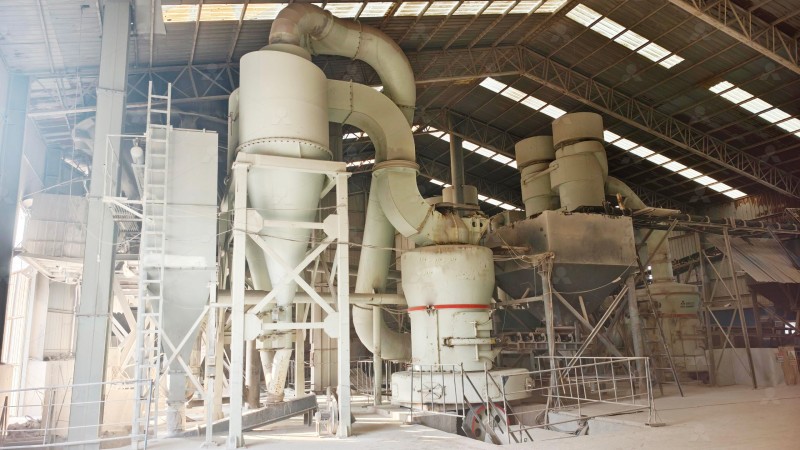
Key Design Considerations
Effective hammer mill design is a balance of power, durability, and safety. The rotor assembly, bearing the hammers, must be dynamically balanced to minimize vibration and ensure smooth operation at high rotational speeds. Hammers themselves are consumable parts and are designed for easy replacement. They can be reversible to extend service life. The screen, another critical wear part, must be robust enough to withstand continuous impact while providing the desired particle size control. Modern designs also heavily emphasize safety features, such as interlocked access doors that shut down the mill when opened, and dust-tight construction to prevent material leakage and protect operators.
Beyond Traditional Hammer Mills: The Need for Ultrafine Grinding
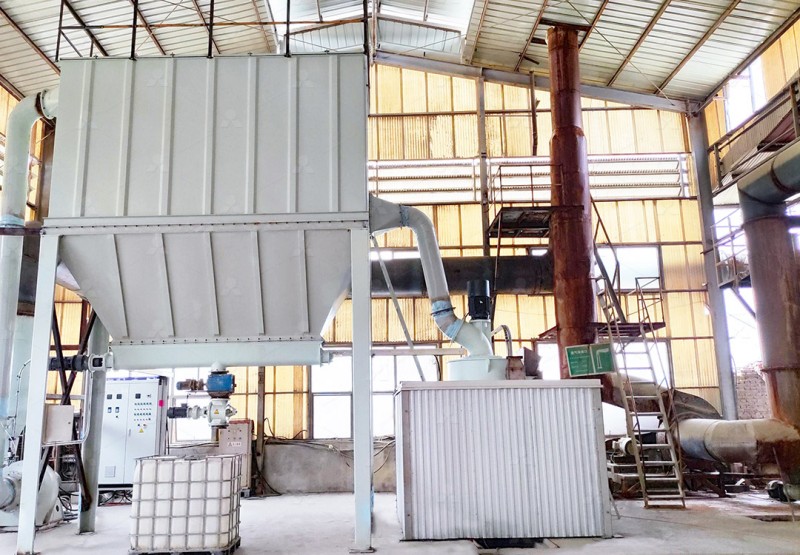
While traditional hammer mills excel at coarse to medium grinding, many advanced applications demand much finer powders. Industries like chemicals, cosmetics, and advanced materials require particle sizes measured in microns. For these demanding tasks, specialized grinding mills are necessary. For operations requiring the production of ultra-fine powder with high precision, our MW Ultrafine Grinding Mill is an exemplary solution. Engineered for customers who need to make ultra-fine powder, this machine handles an input size of 0-20 mm with a capacity ranging from 0.5 to 25 tph. It is particularly effective for materials like limestone, calcite, dolomite, and talc, making it ideal for the chemical, paint, and cosmetics industries.
Advanced Features for Modern Production
The MW Ultrafine Grinding Mill incorporates several advanced features that set it apart. It boasts higher yielding and lower energy consumption, with a production capacity 40% higher than jet mills and double that of ball mills. Its cage-type powder selector allows for adjustable fineness between 325 and 2500 meshes with high precision. A significant design advantage is the absence of rolling bearings and screws in the grinding chamber, eliminating concerns about bearing damage or loose screws causing machine failure. Furthermore, an efficient pulse dust collector and muffler ensure the production process is eco-friendly, meeting national environmental protection standards.
Choosing the Right Mill for Your Application
Selecting the appropriate grinding equipment is crucial for operational efficiency and product quality. Key factors to consider include the hardness, abrasiveness, and moisture content of the feed material, the desired final particle size distribution, and the required production capacity. For heavy-duty applications involving non-metallic minerals, pulverized coal, and slag, our LM Vertical Grinding Mill offers an excellent alternative. It integrates crushing, drying, grinding, classifying, and conveying into a single unit, reducing its footprint by 50% compared to a ball mill and saving energy consumption by 30%-40%.
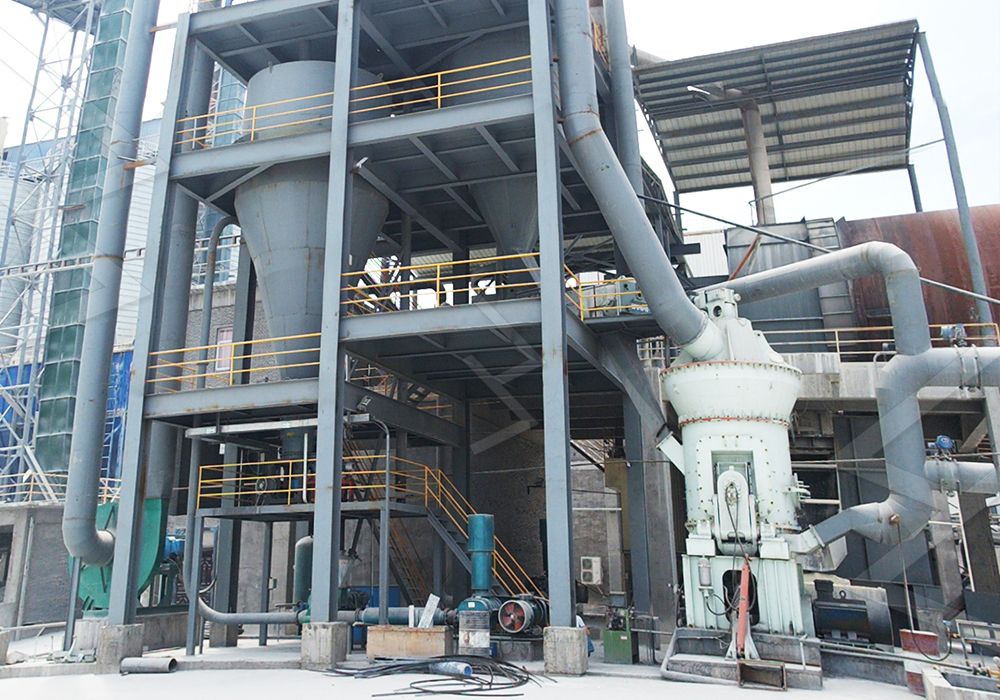
Both the MW and LM series mills benefit from digitalized processing for high precision and are backed by a sufficient supply of original spare parts, ensuring worry-free, long-term operation. Understanding the specific demands of your process will guide you to the optimal machine, ensuring maximum productivity and return on investment.
Frequently Asked Questions (FAQ)
What is the main difference between a hammer mill and an ultrafine grinding mill?
Hammer mills are primarily used for coarse to medium grinding (down to approximately 200 mesh) through impact and attrition. Ultrafine grinding mills, like the MW series, use more advanced grinding mechanisms and precision air classification to achieve much finer particle sizes, often down to 2500 mesh or finer.
How important is the screen size in a hammer mill?
The screen size is critical as it directly controls the maximum particle size of the discharged product. A smaller screen opening results in a finer product but may reduce throughput and increase power consumption and heat generation.
Can the MW Ultrafine Grinding Mill handle abrasive materials?
Yes, the MW Mill is designed with wear-resistant materials for the grinding components. Its unique chamber design without internal rolling bearings also protects critical parts from abrasive damage, making it suitable for a range of moderately abrasive materials.
What are the advantages of a vertical grinding mill like the LM series?
The primary advantages are its compact, integrated design (smaller footprint), higher energy efficiency, and ability to simultaneously dry and grind moist materials, making it ideal for large-scale industrial mineral processing.