
Hammer Mill for Sale: Grinding Equipment for Various Applications
We provide a wide range of mills — including Raymond mill, trapezoidal mill, vertical mill, ultrafine mill, and ball mill, obtained ISO9001 international quality certification, EU CE certification, and Customs Union CU-TR certification. Suitable for processing minerals such as limestone, phosphate, quicklime, kaolin, talc, barite, bentonite, calcium carbonate, dolomite, coal, gypsum, clay, carbon black, slag, cement raw materials, cement clinker, and more.
The discharge range of these mills can be adjusted to meet specific processing needs, typically from 80-400 mesh, 600-3250 mesh, and can achieve the finest particle size of up to 6000 mesh(D50).
If you are looking for a reliable grinding solution to turn stone or minerals into fine powder, please feel free to contact our online customer service.
Hammer Mill for Sale: Grinding Equipment for Various Applications
In the world of industrial processing, efficient size reduction is a cornerstone of productivity. Hammer mills stand as a testament to this principle, offering robust and versatile grinding solutions for a vast array of materials. From agricultural products and biomass to minerals and recyclables, the right hammer mill can significantly enhance your operational efficiency, output quality, and bottom line.
Understanding the Hammer Mill
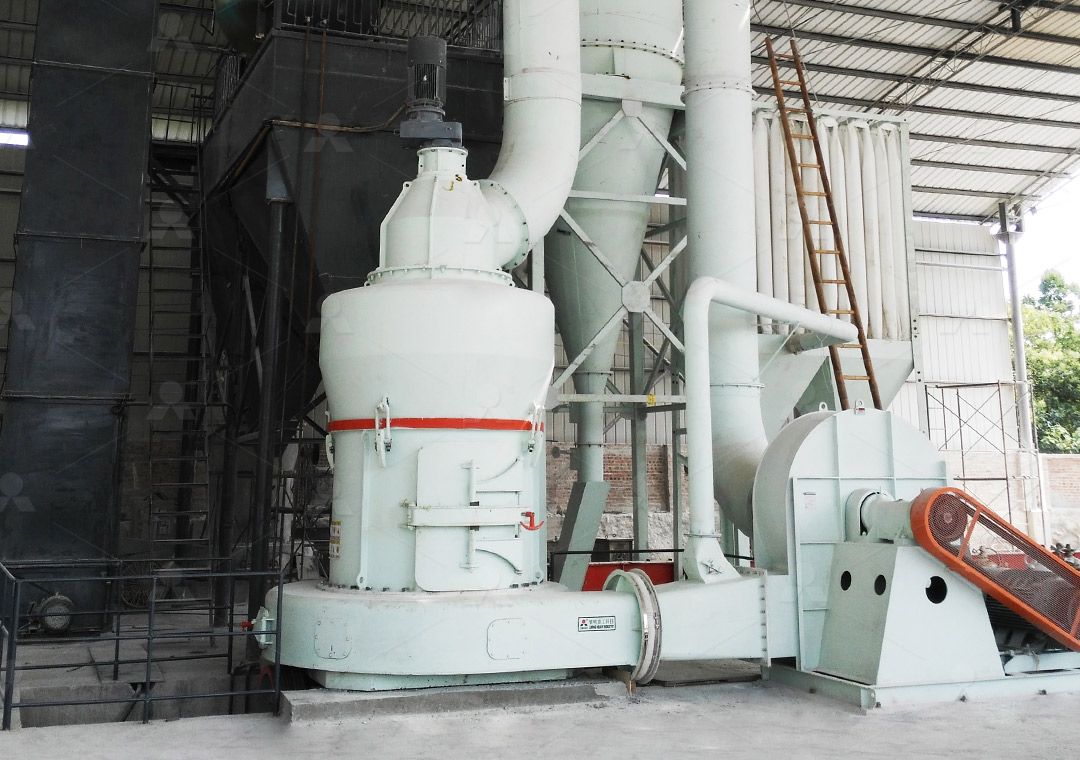
At its core, a hammer mill is a size reduction machine. It functions on the simple principle of impact: material is fed into a chamber containing a high-speed rotor equipped with swinging hammers. The hammers collide with the material, shattering it against an interior breaker plate until it is small enough to pass through a screen or grate that determines the final particle size. This straightforward mechanism makes it exceptionally adaptable for coarse to medium-fine grinding.
Key Applications Across Industries
The versatility of hammer mills is their greatest strength. They are indispensable in numerous sectors:
- Mining & Minerals: Crushing and preliminary grinding of ores, limestone, gypsum, and coal.
- Agriculture: Grinding grains for animal feed, and processing biomass like wood chips and straw for pellets.
- Recycling: Size reduction of electronic waste, asphalt, and metals for easier processing and volume reduction.
- Chemical & Pharmaceutical: Milling various chemicals and ingredients to a consistent powder.
Beyond the Hammer Mill: Advanced Grinding Solutions
While hammer mills are excellent for many tasks, certain applications demand finer powders, higher capacity, and greater energy efficiency. For operations requiring ultra-fine grinding with superior environmental controls, our advanced milling technology offers a significant upgrade.
For instance, our MW Ultrafine Grinding Mill is engineered for customers who need to produce ultra-fine powder between 325-2500 meshes. It is designed with an efficient pulse dust collector and muffler, drastically reducing dust and noise for a cleaner, quieter, and more eco-friendly operation. With an input size of 0-20 mm and a capacity range of 0.5-25 tph, it delivers higher yields at lower energy consumption—achieving 40% higher capacity than jet mills and double the output of ball mills while using only 30% of the energy. Its innovative design, featuring no rolling bearings or screws in the grinding chamber, eliminates common failure points and allows for external lubrication without shutdown, enabling continuous 24/7 production.
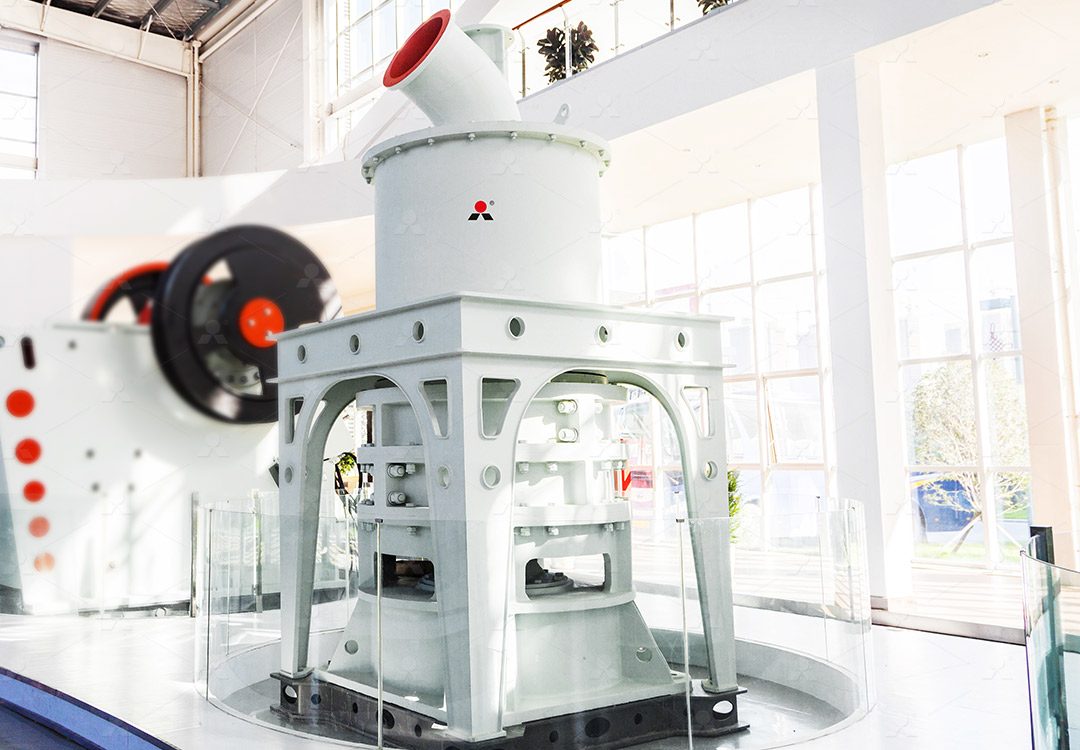
Another premier solution for fine powder production is the LUM Ultrafine Vertical Grinding Mill. Integrating grinding, grading, and transporting, the LUM mill is a masterpiece of efficiency. It features unique roller shell and lining plate grinding curves for higher yielding rates and better product quality. Its multi-head powder separating technology, controlled by a PLC system, allows for precise control over fineness and reduces energy consumption by 30%-50% compared to conventional mills. With an input size of 0-10 mm and capacity of 5-18 tph, it is an ideal choice for processing non-metal ores like calcite, marble, and barite into superfine dry powder.
Choosing the Right Equipment
Selecting the optimal grinding equipment depends on your specific material, desired fineness, capacity requirements, and operational goals. Our team of experts is dedicated to helping you analyze your needs and recommend the perfect machine, whether it’s a robust hammer mill for primary crushing or a sophisticated ultrafine mill for precision powder production.
Frequently Asked Questions (FAQ)
- What is the main difference between a hammer mill and an ultrafine grinding mill?
A hammer mill is primarily used for coarse to medium-fine grinding through impact and is highly versatile. An ultrafine mill, like the MW or LUM series, uses a combination of compression, shear, and attrition to achieve much finer particle sizes (often down to microns) with higher energy efficiency and better environmental controls. - Can your mills handle hard and abrasive materials?
Yes. Our mills are constructed with high-quality, wear-resistant alloys and advanced designs to handle a wide range of material hardness. The MW Mill, for example, has no vulnerable bearings inside the grinding chamber, making it particularly robust against abrasive wear. - How is dust controlled during the grinding process?
Our advanced mills are equipped with integrated pulse jet dust collectors. These systems effectively capture dust at the source, ensuring that the entire milling operation is clean and complies with environmental standards, unlike many open-system hammer mills. - What kind of after-sales support do you provide?
We take full responsibility for every machine we produce. Our support includes comprehensive technical services and a guaranteed supply of original spare parts to ensure your operation runs smoothly and without worry, minimizing downtime. - Are these mills energy efficient?
Absolutely. A key design focus for our grinding equipment, especially the MW and LUM series, is reducing energy consumption. They can achieve significantly higher output per unit of energy compared to traditional ball mills or jet mills, leading to substantial operational cost savings.