
Hammer Mill for Palm Oil Processing: Key Features and Benefits
We provide a wide range of mills — including Raymond mill, trapezoidal mill, vertical mill, ultrafine mill, and ball mill, obtained ISO9001 international quality certification, EU CE certification, and Customs Union CU-TR certification. Suitable for processing minerals such as limestone, phosphate, quicklime, kaolin, talc, barite, bentonite, calcium carbonate, dolomite, coal, gypsum, clay, carbon black, slag, cement raw materials, cement clinker, and more.
The discharge range of these mills can be adjusted to meet specific processing needs, typically from 80-400 mesh, 600-3250 mesh, and can achieve the finest particle size of up to 6000 mesh(D50).
If you are looking for a reliable grinding solution to turn stone or minerals into fine powder, please feel free to contact our online customer service.
Hammer Mill for Palm Oil Processing: Key Features and Benefits
In the palm oil industry, efficiency and reliability in the milling process are paramount. The initial size reduction of palm fruit bunches is a critical step that directly impacts the overall yield and quality of the final product. While traditional hammer mills have been widely used, advancements in grinding technology now offer superior solutions that enhance productivity, reduce operational costs, and ensure environmental compliance.
Why Grinding Efficiency Matters
Effective grinding ensures that the palm fruit is properly prepared for the extraction process, maximizing oil recovery. A robust mill must handle the fibrous and sometimes abrasive nature of palm fruit bunches without frequent breakdowns or excessive energy consumption. Key considerations include throughput capacity, particle size consistency, ease of maintenance, and the ability to operate continuously under demanding conditions.
Introducing Advanced Grinding Solutions
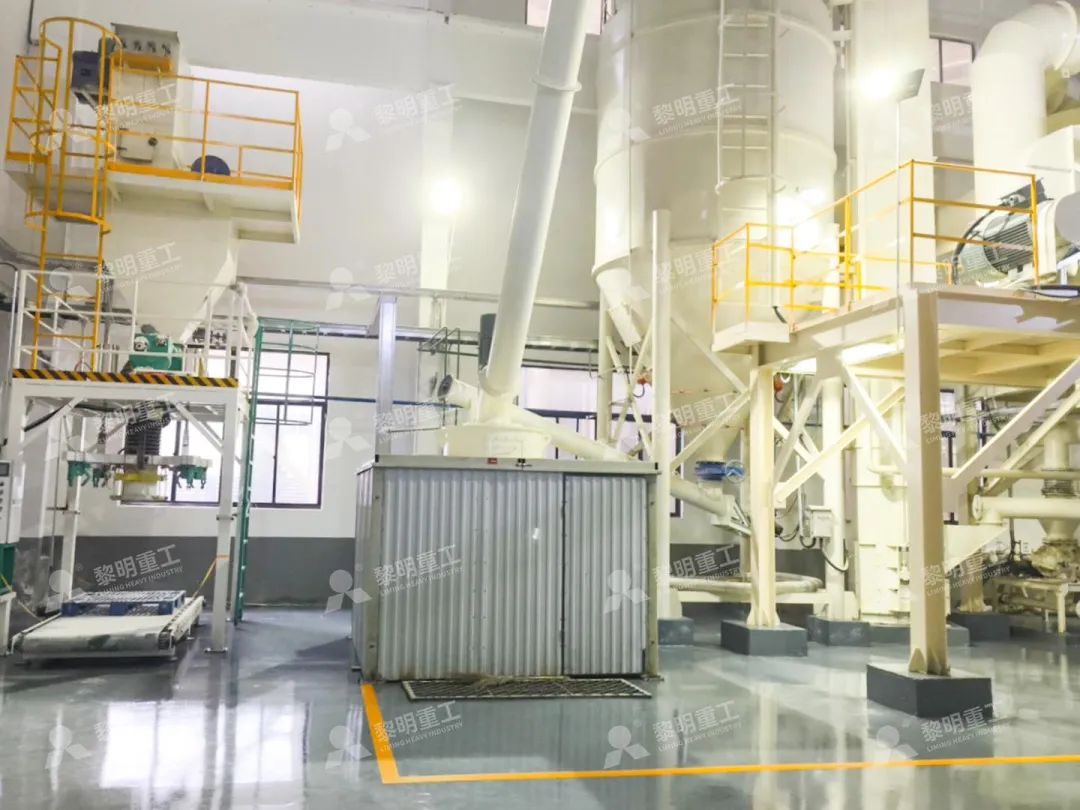
While hammer mills are common, modern ultrafine grinding mills provide significant advantages. For instance, our MW Ultrafine Grinding Mill is engineered for high-capacity processing with an input size of 0-20 mm and a capacity range of 0.5-25 tph. It features higher yielding and lower energy consumption, achieving 40% higher production capacity compared to jet mills and twice the yield of ball mills. Its adjustable fineness between 325-2500 meshes ensures optimal particle size for palm oil extraction.
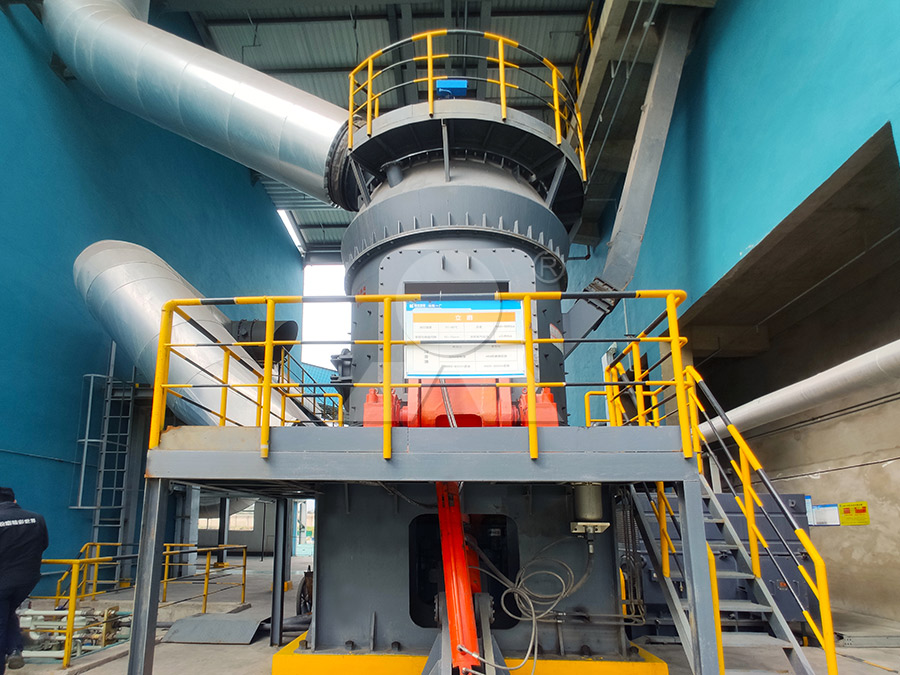
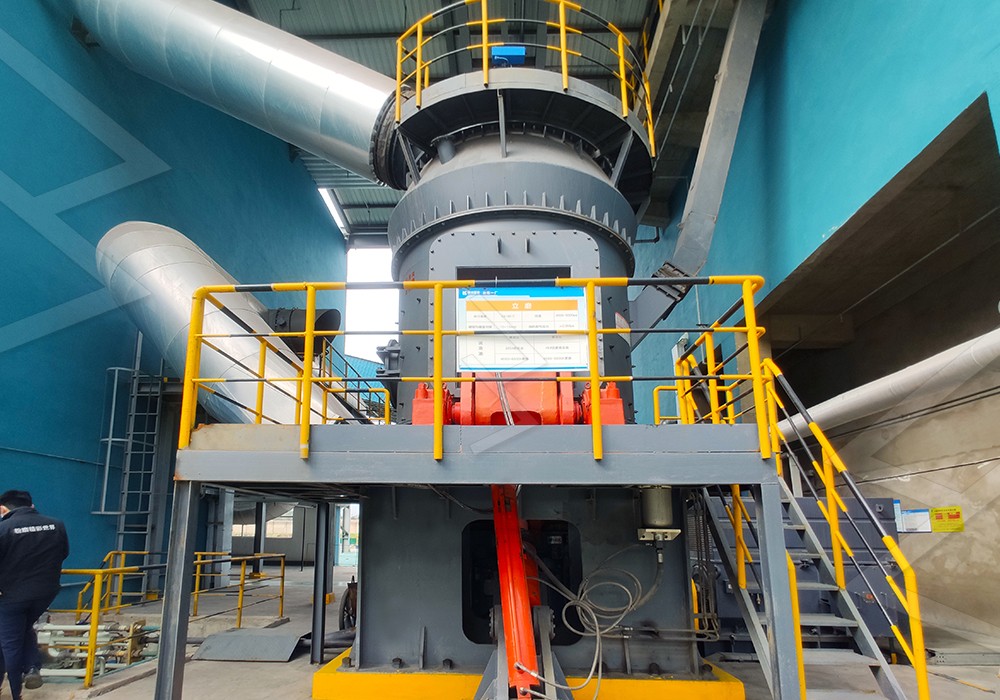
Another excellent option is the LUM Ultrafine Vertical Grinding Mill, which integrates grinding, classifying, and transporting. With an input size of 0-10 mm and capacity of 5-18 tph, it offers higher yielding rates and better quality output. Its multi-head powder separating technology and reversible structure simplify maintenance, reducing downtime significantly.
Key Benefits for Palm Oil Processing
- Enhanced Efficiency: Advanced grinding curves and precision engineering ensure maximum throughput with minimal energy waste.
- Eco-Friendly Operation: Equipped with pulse dust collectors and mufflers, these mills reduce dust and noise pollution, aligning with environmental standards.
- Low Maintenance: Designs without rolling bearings or screws in the grinding chamber eliminate common failure points, ensuring continuous operation.
- Consistent Particle Size: Adjustable fineness and high-precision powder selection guarantee uniform material for optimal oil extraction.
Real-World Application
In palm oil mills, the ability to process large volumes of fruit bunches quickly and consistently is crucial. The MW and LUM mills excel in this regard, offering robust construction and reliable performance even under heavy loads. Their energy-saving features also translate to lower operational costs, making them a smart investment for modern processing plants.
Conclusion
Choosing the right grinding mill is essential for optimizing palm oil production. While traditional hammer mills have their place, upgrading to advanced ultrafine grinding technology like the MW or LUM series can dramatically improve efficiency, reduce costs, and support sustainable operations. For processors looking to enhance their capabilities, these mills represent the future of palm oil milling.