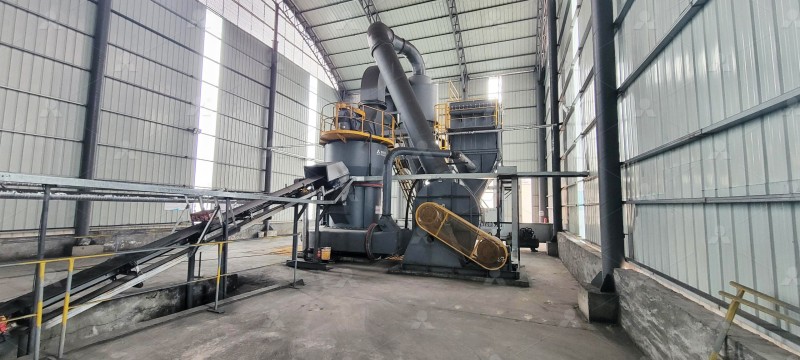
Hammer Mill Coal Crusher: How to Control Finished Particle Size
We provide a wide range of mills — including Raymond mill, trapezoidal mill, vertical mill, ultrafine mill, and ball mill, obtained ISO9001 international quality certification, EU CE certification, and Customs Union CU-TR certification. Suitable for processing minerals such as limestone, phosphate, quicklime, kaolin, talc, barite, bentonite, calcium carbonate, dolomite, coal, gypsum, clay, carbon black, slag, cement raw materials, cement clinker, and more.
The discharge range of these mills can be adjusted to meet specific processing needs, typically from 80-400 mesh, 600-3250 mesh, and can achieve the finest particle size of up to 6000 mesh(D50).
If you are looking for a reliable grinding solution to turn stone or minerals into fine powder, please feel free to contact our online customer service.
Hammer Mill Coal Crusher: How to Control Finished Particle Size
Controlling the finished particle size in coal processing is a critical aspect of operational efficiency and product quality. For operations that rely on hammer mill coal crushers, achieving a consistent and desirable output size can be challenging but is paramount for downstream processes and meeting specific market requirements. This article delves into the key factors that influence particle size and how to master them.
Key Factors Influencing Particle Size
The final product size from a hammer mill is not determined by a single setting but by a combination of interrelated factors. Understanding these is the first step toward precise control.
Screen or Grate Size: This is the most direct and significant factor. The perforations in the screen at the mill’s discharge dictate the maximum size of particle that can exit. Coal particles are struck by the hammers until they are small enough to pass through these openings. A smaller screen aperture will result in a finer product but will also reduce the mill’s throughput capacity.
Rotor Speed & Hammer Configuration: The speed of the rotor determines the impact force delivered by the hammers. Higher speeds generate more powerful impacts, shattering coal into finer particles. Conversely, lower speeds may produce a coarser grind. The number, size, arrangement (staggered or aligned), and type (swinging or rigid) of hammers also play a crucial role in how material is reduced and how often it is struck before exiting.
Feed Rate and Material Characteristics: Overfeeding the mill can lead to a coarser product as material may not receive sufficient impact before being forced through the screen. The inherent properties of the coal itself—such as hardness, moisture content, and brittleness—will significantly affect how it fractures. Higher moisture can lead to clogging, while very hard coal may require more energy to achieve a fine grind.
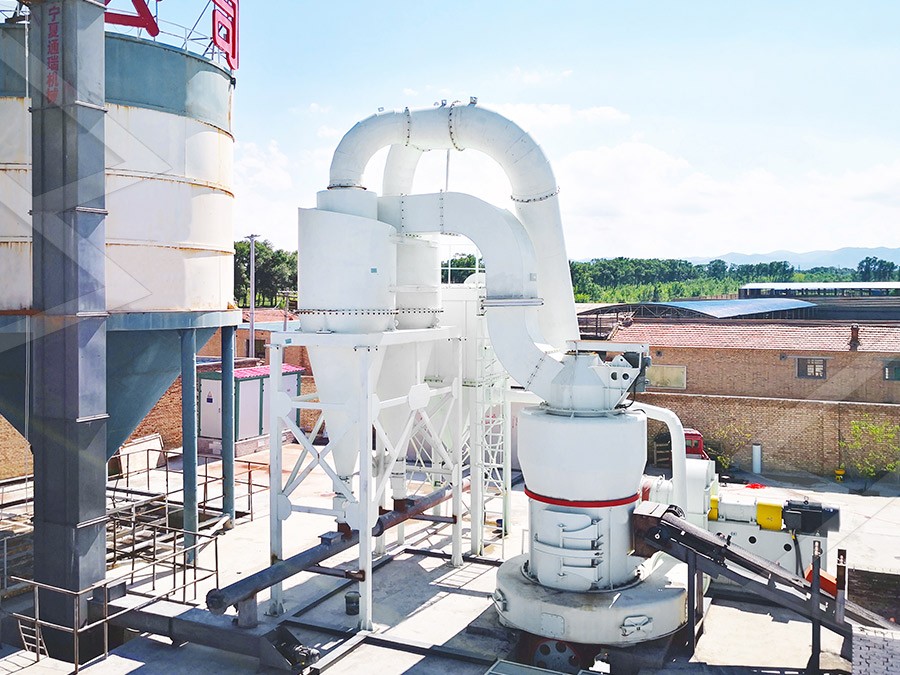
Strategies for Effective Particle Size Control
Successfully managing particle size requires a proactive and systematic approach.
- Select the Correct Screen: Always choose a screen with openings slightly smaller than your desired maximum particle size. Remember that some elongated particles may pass through, so the “average” size will be finer.
- Optimize Hammer Maintenance: Worn hammers are less efficient at impacting and fracturing material. Establish a regular inspection and rotation/replacement schedule to maintain peak crushing efficiency and consistent output.
- Regulate Feed Consistency: Use a vibratory feeder or other controlled feeding system to ensure a consistent and optimal flow of material into the crusher. Avoid surges that can overwhelm the mill.
- Monitor and Adjust: Continuously sample and test the output product. Be prepared to adjust the feed rate or screen configuration based on changes in the raw coal feedstock.
When a Hammer Mill Isn’t Enough: The Need for Finer Grinding
While hammer mills are excellent for primary and secondary crushing to a medium-fine size, certain applications demand an ultra-fine powder. Processes in modern power generation, chemical synthesis, or advanced material production often require coal powder with a fineness exceeding 325 mesh. This is where traditional crushers reach their limit.
For these ultra-fine grinding needs, a dedicated pulverizing system is essential. This is where our MW Ultrafine Grinding Mill excels. Designed for customers who need to make ultra-fine powder, this machine is a perfect solution for post-hammer mill processing. With an input size of 0-20 mm and a capacity ranging from 0.5 to 25 tph, it seamlessly takes the output from your primary crusher and transforms it into a superior product.
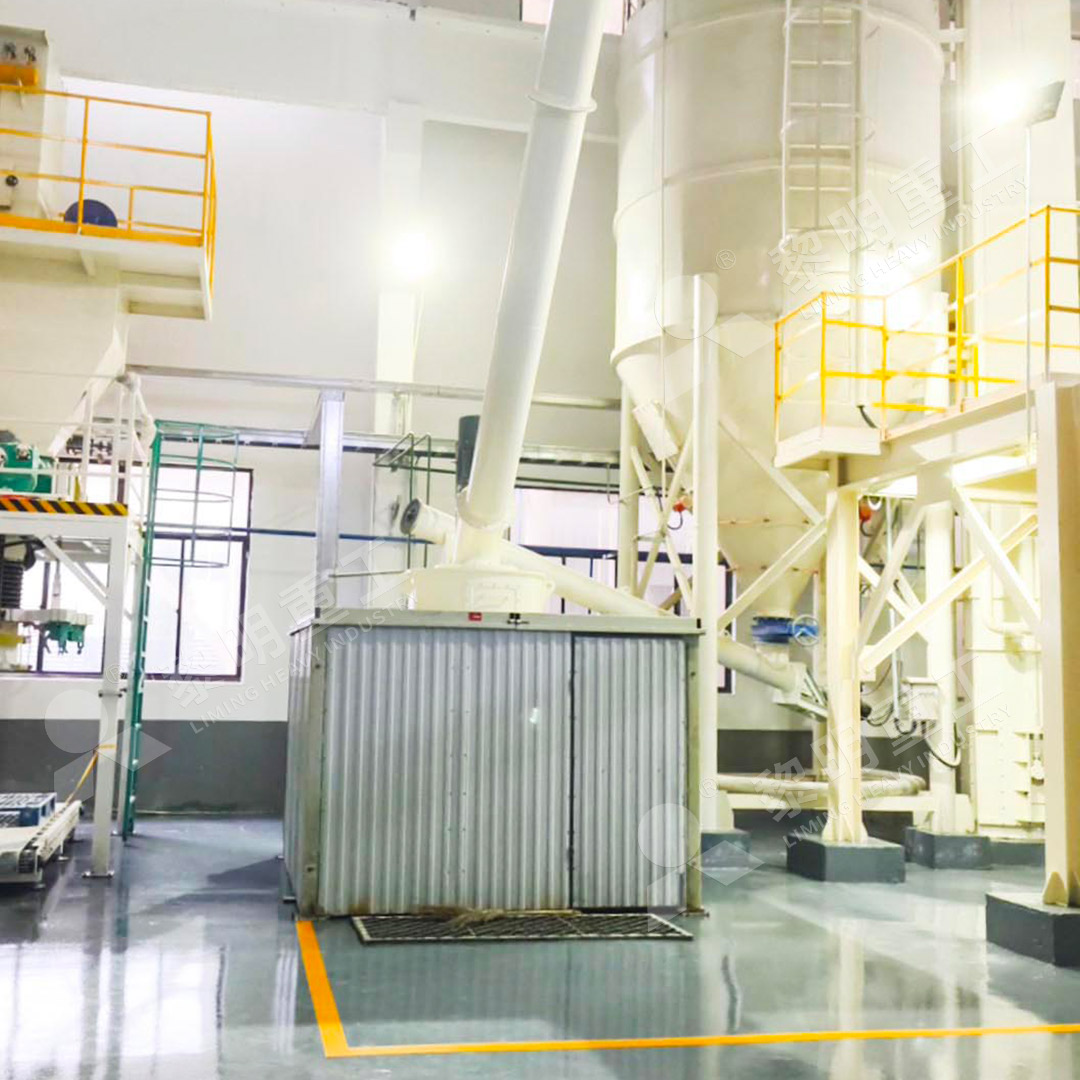
The MW Mill’s cage-type powder selector, adopting German technologies, allows for precise fineness adjustment between 325-2500 meshes, achieving a screening rate of d97≤5μm. It boasts higher yielding and lower energy consumption—40% higher capacity than jet mills with only 30% of the energy use. Furthermore, its eco-friendly design, featuring an efficient pulse dust collector and muffler, ensures your production meets the strictest environmental standards without compromising on output quality.
For operations requiring a vertical grinding solution, our LUM Ultrafine Vertical Grinding Mill is another top-tier option. Integrating grinding, grading, and transporting, it offers remarkable energy savings of 30%-50% and features advanced multi-head powder separating technology for precise cuts and high-quality final products.
Conclusion
Mastering particle size in coal processing with a hammer mill involves a careful balance of mechanical settings and operational practices. However, for the most demanding fine and ultra-fine powder applications, augmenting your setup with a specialized grinder like the MW or LUM Ultrafine Mill is the key to unlocking new levels of product quality, efficiency, and market competitiveness.