
Gypsum Crushing Mill Manufacturer in Indonesia: Key Factors to Consider
We provide a wide range of mills — including Raymond mill, trapezoidal mill, vertical mill, ultrafine mill, and ball mill, obtained ISO9001 international quality certification, EU CE certification, and Customs Union CU-TR certification. Suitable for processing minerals such as limestone, phosphate, quicklime, kaolin, talc, barite, bentonite, calcium carbonate, dolomite, coal, gypsum, clay, carbon black, slag, cement raw materials, cement clinker, and more.
The discharge range of these mills can be adjusted to meet specific processing needs, typically from 80-400 mesh, 600-3250 mesh, and can achieve the finest particle size of up to 6000 mesh(D50).
If you are looking for a reliable grinding solution to turn stone or minerals into fine powder, please feel free to contact our online customer service.
Gypsum Crushing Mill Manufacturer in Indonesia: Key Factors to Consider
Selecting the right gypsum crushing mill manufacturer in Indonesia is a critical decision that can significantly impact your operation’s efficiency, profitability, and environmental footprint. The archipelago’s growing construction and industrial sectors demand reliable, high-performance grinding equipment capable of handling gypsum’s specific characteristics. When evaluating potential partners and their machinery, several key factors must be carefully weighed to ensure a sound investment.
1. Production Capacity and Feed Size Flexibility
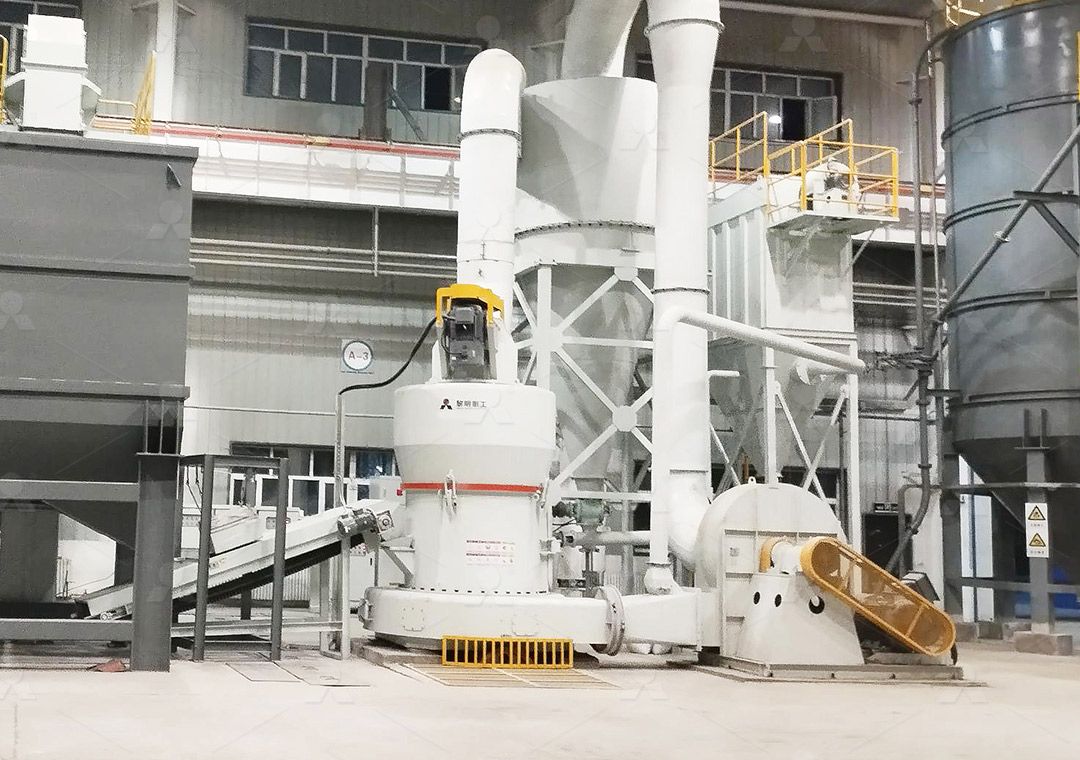
The first consideration is matching the mill’s capacity to your production goals. A mill that is too small becomes a bottleneck, while an oversized machine incurs unnecessary capital and operational costs. You must analyze your target output (in tons per hour) and the typical size of your raw gypsum feed. Manufacturers should provide clear specifications, like a mill capable of handling an input size of 0-20 mm and delivering a capacity of 0.5-25 tph, offering the flexibility to scale operations up or down as market demands fluctuate.
2. Energy Consumption and Operational Efficiency
In an era of rising energy costs, the efficiency of your grinding mill is paramount. Traditional ball mills are notoriously energy-intensive. Modern mills should offer significantly lower energy consumption—some advanced models use up to 30-50% less power than conventional systems. This is achieved through innovative designs that enhance grinding efficiency, such as optimized grinding curves for rollers and rings, which directly translate to lower operating expenses and a reduced carbon footprint.
3. Final Product Fineness and Quality Control
The quality of the final gypsum powder is non-negotiable. It must meet precise fineness specifications for its intended application, whether for plaster, cement retarder, or other industrial uses. The best mills feature advanced, adjustable powder separators that allow operators to precisely control the product fineness, often within a wide range such as 325 to 2500 meshes. This ensures you can produce a consistent, high-quality product that commands a premium in the market.
4. Environmental Compliance and Dust Control
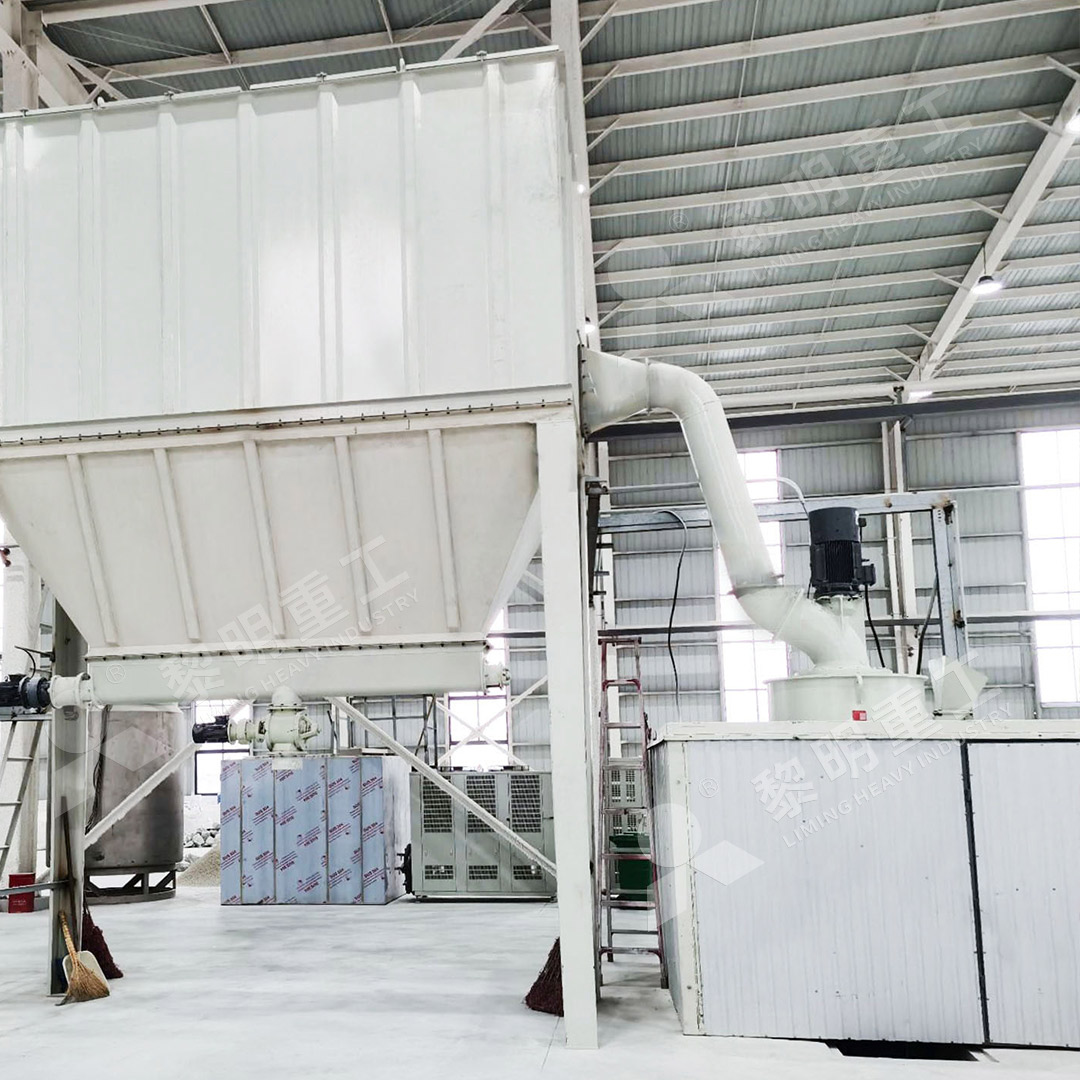
Operating in compliance with Indonesia’s environmental regulations is essential. A modern mill must be a closed system equipped with integrated, high-efficiency dust collection technology. Look for systems that include pulse jet dust collectors and mufflers to ensure virtually dust-free operation and minimal noise pollution. This not only protects your workers’ health and the environment but also prevents product loss, maximizing yield.
5. Reliability, Maintenance, and Local Support
Downtime is the enemy of productivity. The chosen mill should be engineered for reliability and easy maintenance. Designs that eliminate rolling bearings and screws from the grinding chamber, for instance, remove common points of failure. Furthermore, the manufacturer must offer robust local technical support in Indonesia, including ready availability of genuine spare parts. A supplier that stands behind their product with comprehensive after-sales service is invaluable.
Recommended Solution: MW Ultrafine Grinding Mill
For operations prioritizing ultra-fine powder production with exceptional efficiency and environmental standards, we highly recommend our MW Ultrafine Grinding Mill. This machine is specifically engineered for minerals like gypsum, offering a superior blend of performance and practicality.
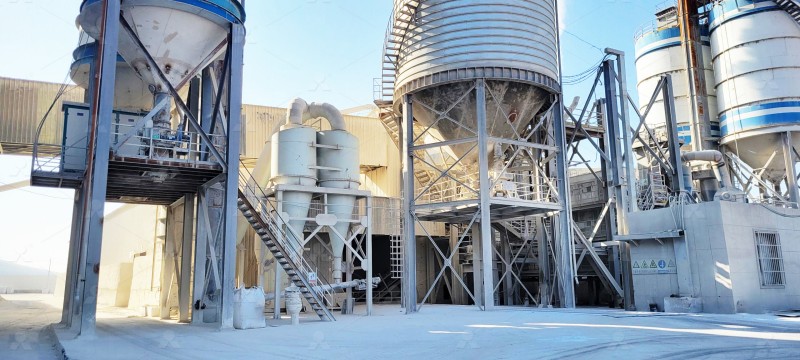
Its key advantages include a 40% higher production capacity compared to jet mills and significantly lower energy consumption. The German-designed cage-type powder selector guarantees precise fineness adjustment between 325-2500 meshes. Crucially, its innovative design features no rolling bearings or screws in the grinding chamber, drastically reducing maintenance worries and the risk of unexpected downtime. Coupled with its efficient pulse dust collector, it ensures a clean, compliant, and highly productive operation, making it an ideal choice for the discerning Indonesian gypsum processor.
Conclusion
Choosing a gypsum crushing mill manufacturer is a strategic decision. By prioritizing factors such as capacity, energy efficiency, product quality, environmental compliance, and reliable local support, Indonesian businesses can secure a competitive edge. Investing in advanced technology like the MW Ultrafine Grinding Mill from a reputable manufacturer ensures not only meeting current production needs but also building a foundation for sustainable and profitable future growth.