
Grinding Mill for Slag Processing: Types and Selection Guide
We provide a wide range of mills — including Raymond mill, trapezoidal mill, vertical mill, ultrafine mill, and ball mill, obtained ISO9001 international quality certification, EU CE certification, and Customs Union CU-TR certification. Suitable for processing minerals such as limestone, phosphate, quicklime, kaolin, talc, barite, bentonite, calcium carbonate, dolomite, coal, gypsum, clay, carbon black, slag, cement raw materials, cement clinker, and more.
The discharge range of these mills can be adjusted to meet specific processing needs, typically from 80-400 mesh, 600-3250 mesh, and can achieve the finest particle size of up to 6000 mesh(D50).
If you are looking for a reliable grinding solution to turn stone or minerals into fine powder, please feel free to contact our online customer service.
Grinding Mill for Slag Processing: Types and Selection Guide
Slag, a byproduct of industrial processes like steel production, presents both a disposal challenge and a valuable resource opportunity. Proper processing through grinding can transform this waste into useful materials for cement, concrete, and construction applications. Selecting the right grinding mill is crucial for efficiency, cost-effectiveness, and final product quality. This guide explores the common mill types used in slag processing and provides key selection criteria.
Common Types of Mills for Slag Grinding
Not all grinding mills are created equal, especially when it comes to the abrasive and often moist characteristics of slag.
Vertical Roller Mills (VRM)
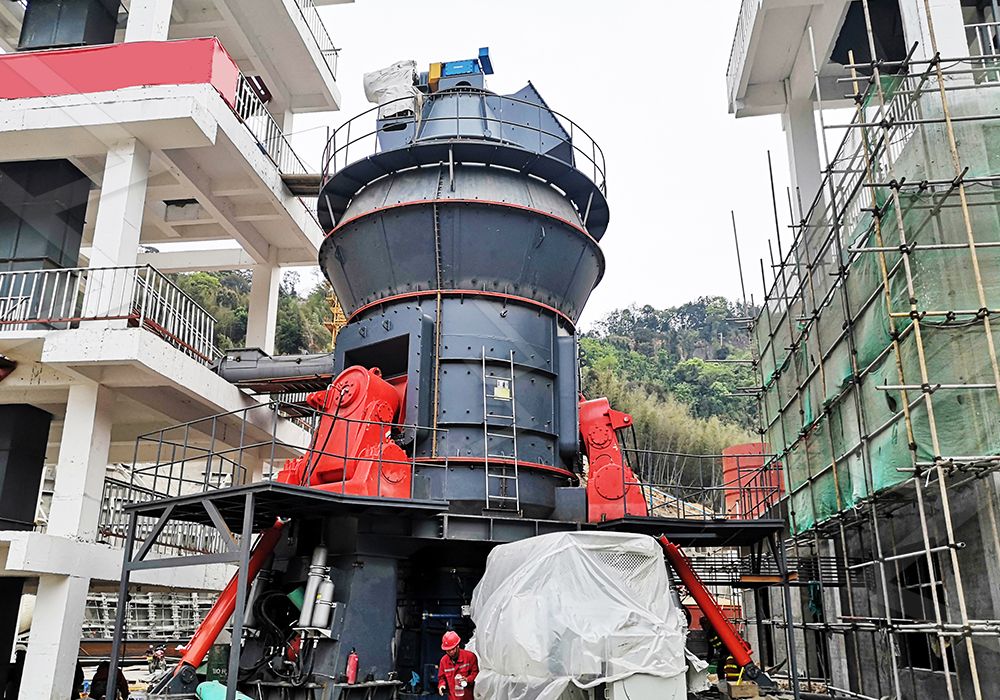
VRMs are highly efficient and widely used for slag grinding. They integrate drying, grinding, classification, and conveying into a single unit. Their vertical arrangement and grinding principle, where rollers crush material against a rotating table, make them ideal for achieving the fine powders required for slag cement. They offer significant energy savings—often 30-40% compared to traditional ball mills—and have a compact footprint.
Ball Mills
The traditional workhorse, ball mills use steel balls in a rotating cylinder to crush and grind material through impact and attrition. While reliable and capable of producing a consistent product, they are generally less energy-efficient than VRMs for fine grinding applications. They can handle moist slag but often require a pre-drying step, adding to the system’s complexity and cost.
Raymond Mills (Roller Mills)
These mills use spring-loaded rollers to grind material against a stationary ring. They are a good option for medium-fine grinding but may struggle with the hardest slags and can have higher wear rates on grinding components compared to more modern designs.
Key Selection Criteria
Choosing the best mill requires balancing several factors:
- Feed Size & Capacity: Match the mill’s maximum input size and throughput (tph) to your production goals.
- Energy Consumption: This is a major operational cost. VRMs typically lead the pack in efficiency.
- Product Fineness: Ensure the mill can consistently achieve your target particle size (e.g., Blaine surface area for cement).
- Moisture Content: If your slag is wet, a mill with integrated drying capabilities is essential.
- Wear & Maintenance: Slag is abrasive. Look for mills with robust construction, easy-to-replace wear parts, and designs that minimize downtime for maintenance.
- Environmental Impact: Modern mills should feature effective dust collection systems to operate cleanly.
Recommended Solution: LM Vertical Slag Mill
For most industrial slag processing applications, a vertical mill is the superior choice. We highly recommend our LM Vertical Slag Mill for its exceptional performance and reliability. This mill is specifically engineered for industrial waste like slag, integrating drying, grinding, powder selection, and conveying into one robust unit.

Its key advantages include a 50% smaller footprint than ball mill systems and energy consumption that is 30% to 40% lower. The grinding device integrates grinding and powder selection, reducing investment costs. Crucially, its important parts are manufactured from high-performance wear-resistant materials, ensuring reliable operation and long service life even with abrasive slag, resulting in a uniform final powder with high screening rates.
Advanced Fine Grinding: MW Ultrafine Grinding Mill
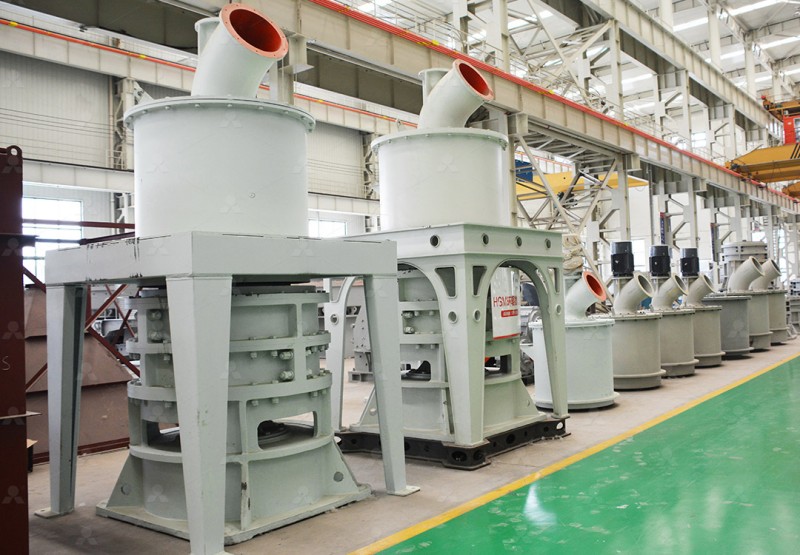
For applications requiring ultra-fine slag powder (adjustable between 325-2500 meshes), our MW Ultrafine Grinding Mill is an excellent solution. Designed for making ultra-fine powder, it features higher yielding and lower energy consumption, with a production capacity 40% higher than jet mills. A significant design benefit is the absence of rolling bearings and screws in the grinding chamber, eliminating worries about bearing damage or machine failure from loose screws. External lubrication allows for 24/7 operation. It is also equipped with an efficient pulse dust collector and muffler, making the entire production process more environmentally friendly.
Conclusion
Selecting the right grinding mill is paramount for efficient and profitable slag processing. While ball mills are a known technology, Vertical Roller Mills like our LM Vertical Slag Mill offer undeniable advantages in energy efficiency, space savings, and integrated processing. For the finest product specifications, the MW Ultrafine Grinding Mill provides precision and reliability. Carefully evaluate your feed material, desired product, and operational costs to make the best choice for your plant.