
Grinding Ball Mill Maintenance Program: Key Steps and Best Practices
We provide a wide range of mills — including Raymond mill, trapezoidal mill, vertical mill, ultrafine mill, and ball mill, obtained ISO9001 international quality certification, EU CE certification, and Customs Union CU-TR certification. Suitable for processing minerals such as limestone, phosphate, quicklime, kaolin, talc, barite, bentonite, calcium carbonate, dolomite, coal, gypsum, clay, carbon black, slag, cement raw materials, cement clinker, and more.
The discharge range of these mills can be adjusted to meet specific processing needs, typically from 80-400 mesh, 600-3250 mesh, and can achieve the finest particle size of up to 6000 mesh(D50).
If you are looking for a reliable grinding solution to turn stone or minerals into fine powder, please feel free to contact our online customer service.
Grinding Ball Mill Maintenance Program: Key Steps and Best Practices
Maintaining a ball mill is crucial for ensuring operational efficiency, prolonging equipment lifespan, and minimizing costly downtime. A well-structured maintenance program not only safeguards your investment but also optimizes grinding performance and product quality. Here are the key steps and best practices to implement a robust ball mill maintenance strategy.
1. Regular Inspection and Monitoring
Daily visual inspections are the first line of defense. Check for unusual noises, vibrations, or leaks. Monitor lubrication levels, bearing temperatures, and motor amperage readings. Weekly, inspect liners, grates, and discharge mechanisms for wear or damage. Utilize vibration analysis and thermography to detect early signs of misalignment, imbalance, or bearing failure.
2. Lubrication Management
Proper lubrication is the lifeblood of any rotating equipment. Follow the manufacturer’s guidelines for grease type and regreasing intervals for trunnion bearings and pinion gears. Over-greasing can be as detrimental as under-greasing, leading to overheating. For larger mills with gear spray systems, ensure the oil is clean, at the correct viscosity, and free of contaminants. Regularly check oil filters and change them as recommended.
3. Liner and Grinding Media Maintenance
The condition of liners and grinding balls directly impacts grinding efficiency. Measure liner thickness regularly to predict wear rates and schedule replacements during planned shutdowns, avoiding unexpected failures. Record the amount and size of grinding media added during routine maintenance to maintain the optimal charge volume and size distribution for your specific application. Imbalanced charge can lead to poor grinding and increased power consumption.
4. Gear and Pinion Alignment
Misalignment between the girth gear and pinion is a common cause of premature failure and inefficient operation. It leads to uneven wear, pitting, and excessive noise. Conduct laser alignment checks during annual shutdowns or if vibration analysis suggests an issue. Proper backlash and contact pattern are critical for smooth power transmission and long gear life.
5. Considering an Upgrade? The MW Ultrafine Grinding Mill Advantage
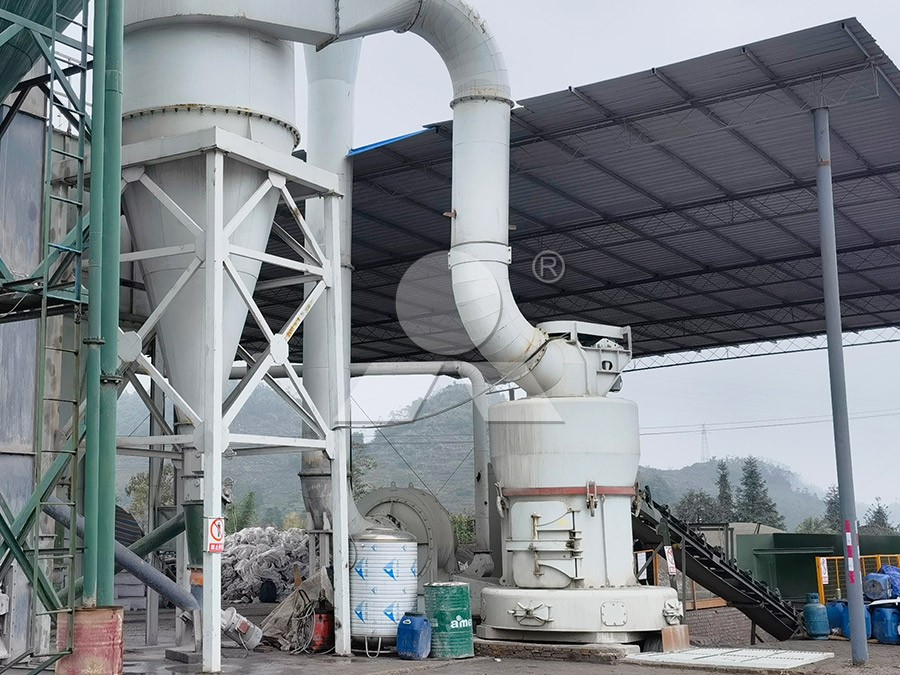
While ball mills are workhorses, modern alternatives offer significant advantages in specific applications. For operations requiring ultra-fine powder (325-2500 meshes) with higher efficiency and lower energy consumption, consider the MW Ultrafine Grinding Mill. A key maintenance benefit is its design: there are no rolling bearings or screws inside the grinding chamber. This eliminates common failure points like bearing seizures or damage from loose screws, drastically reducing maintenance worries and downtime. Furthermore, its external lubricating device allows for lubrication without shutdown, supporting continuous 24/7 production—a stark contrast to the planned stops needed for traditional ball mill bearing maintenance.
6. System Checks: Drive, Motor, and Auxiliaries
Don’t neglect the supporting systems. Regularly check the condition of the mill drive (motor, couplings, reducer). Inspect air clutches on dual-drive mills for proper operation. Ensure classifiers, feeders, and conveyors interlinked with the ball mill are also maintained, as their performance affects the entire grinding circuit.
7. Documentation and Continuous Improvement
Keep detailed records of all inspections, maintenance activities, parts replacements, and operational data. This history is invaluable for troubleshooting, predicting future maintenance needs, and optimizing the program over time. Analyze trends in power draw, product fineness, and media consumption to identify areas for improvement.
Conclusion
A proactive, scheduled maintenance program is far more cost-effective than a reactive, run-to-failure approach. By adhering to these key steps—regular inspection, meticulous lubrication, wear management, alignment checks, and thorough documentation—you can maximize the availability, efficiency, and longevity of your grinding ball mills. For new projects or upgrades focusing on ultra-fine grinding with minimal maintenance intrusion, technologies like the MW Ultrafine Grinding Mill present a compelling, modern solution.