
Graphite Wet Ultrafine Grinding Mill: Principles, Applications, and Selection Guide
We provide a wide range of mills — including Raymond mill, trapezoidal mill, vertical mill, ultrafine mill, and ball mill, obtained ISO9001 international quality certification, EU CE certification, and Customs Union CU-TR certification. Suitable for processing minerals such as limestone, phosphate, quicklime, kaolin, talc, barite, bentonite, calcium carbonate, dolomite, coal, gypsum, clay, carbon black, slag, cement raw materials, cement clinker, and more.
The discharge range of these mills can be adjusted to meet specific processing needs, typically from 80-400 mesh, 600-3250 mesh, and can achieve the finest particle size of up to 6000 mesh(D50).
If you are looking for a reliable grinding solution to turn stone or minerals into fine powder, please feel free to contact our online customer service.
Graphite Wet Ultrafine Grinding Mill: Principles, Applications, and Selection Guide
In the realm of advanced material processing, achieving ultra-fine particle sizes is paramount for unlocking superior material properties. Graphite, with its unique layered structure and diverse industrial applications, often requires grinding to micron and sub-micron levels. Wet ultrafine grinding has emerged as a superior method for processing graphite and similar minerals, offering advantages in particle size control, dispersion, and preventing re-agglomeration. This article delves into the core principles of this technology, its broad applications, and provides a practical guide for selecting the right equipment.
Core Principles of Wet Ultrafine Grinding
Wet ultrafine grinding operates on the principle of comminution in a liquid medium, typically water. The process involves feeding a slurry of raw material and liquid into a milling chamber where intense mechanical forces—such as impact, shear, and attrition—are applied by grinding media (like beads or balls). The liquid medium serves multiple critical functions: it acts as a coolant to dissipate heat generated during grinding, prevents dust formation, aids in material transport, and most importantly, helps disperse the fine particles to minimize re-agglomeration (known as “slime coating”). The final particle size distribution is controlled by factors including mill speed, media size and density, slurry concentration, residence time, and the efficiency of the internal separation system that retains media while allowing product slurry to exit.
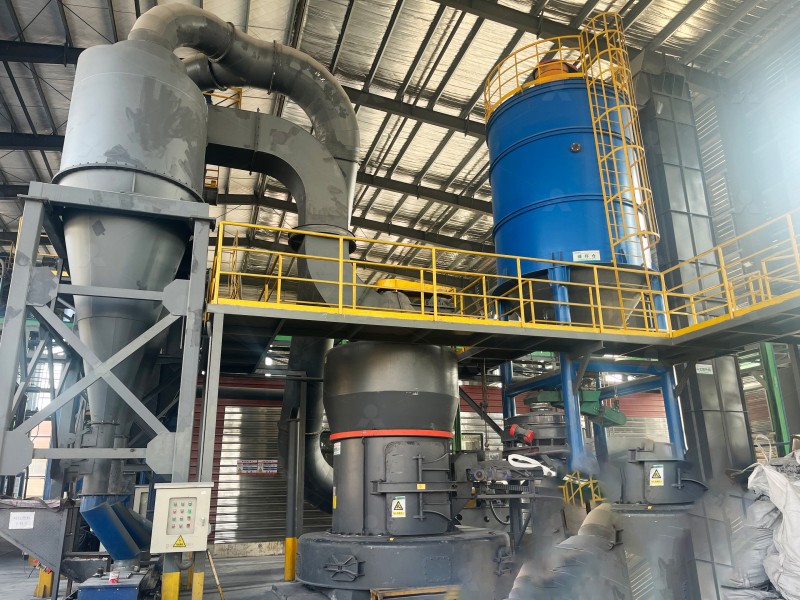
Key Applications Beyond Graphite
While specifically effective for graphite—producing fine flakes for batteries, lubricants, or conductive inks—the technology’s utility spans numerous industries. It is indispensable for processing minerals like limestone, calcite, dolomite, talc, barite, and marble into high-value fillers and coatings. In the chemical industry, it enables the production of ultra-fine pigments for paints, additives for cosmetics, and active pharmaceutical ingredients (APIs). The food industry relies on it for creating fine food additives and colorants. The wet process is particularly favored for materials that are heat-sensitive, prone to oxidation, or where achieving a high degree of dispersion in a final liquid product is the end goal.
Critical Selection Criteria for Your Operation
Choosing the appropriate wet ultrafine grinding mill is a nuanced decision that impacts productivity, product quality, and operational costs. Key factors to consider include:
- Target Fineness & Particle Size Distribution: Define the required D50, D90, or D97 value. Mills differ in their ability to achieve narrow or broad distributions.
- Material Characteristics: Hardness, abrasiveness, viscosity in slurry, and chemical compatibility with the mill’s construction materials (e.g., ceramic, polyurethane, stainless steel linings).
- Required Capacity: Throughput needs (e.g., tons per hour of slurry) will dictate mill size and power.
- Grinding Media: The type, size, and density of media (e.g., zirconia, glass, steel) must be compatible with the material and mill design.
- Energy Efficiency: Compare specific energy consumption (kWh/ton) for achieving the target fineness.
- Ease of Maintenance & Cleaning: Consider seal integrity, wear part accessibility, and clean-in-place (CIP) capabilities for product changeovers.
- Ancillary Systems: Integration with slurry preparation, feeding, product separation (screens or classifiers), and media recovery systems.
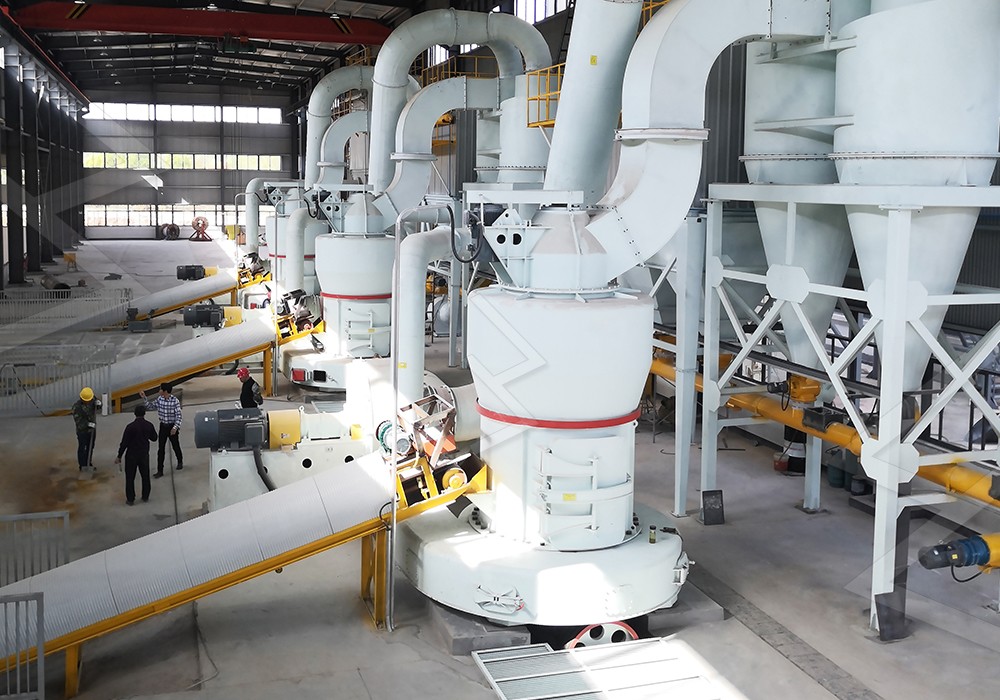
Advanced Dry Process Alternative: The MW Ultrafine Grinding Mill
For operations where a dry process is preferred or necessary due to downstream requirements, advanced dry grinding technology offers a compelling solution. A prime example is the MW Ultrafine Grinding Mill. This innovative mill is engineered for customers who need to produce ultra-fine powder without a liquid medium. It is an excellent choice for processing a wide range of materials including graphite, limestone, calcite, dolomite, talc, and barite, with applications extending to chemicals, paints, and cosmetics.
The MW Mill distinguishes itself through several key features. It delivers higher yield and lower energy consumption, with a production capacity reportedly 40% higher than jet mills and double that of ball mills for the same fineness and power. Its system energy consumption is only about 30% of a jet mill. It offers adjustable fineness between 325-2500 meshes (d97≤5μm achievable) through a precision German-technology cage-type powder selector. A significant design advantage is the absence of rolling bearings and screws in the grinding chamber, eliminating concerns about bearing seal failure or loose screws causing damage. Furthermore, its efficient pulse dust collector and muffler ensure the entire production process meets stringent environmental standards, with minimal dust and noise pollution. With an input size of 0-20 mm and a capacity range of 0.5-25 tph, the MW Ultrafine Grinding Mill provides a robust, eco-friendly, and high-precision dry grinding option for demanding ultrafine powder production.
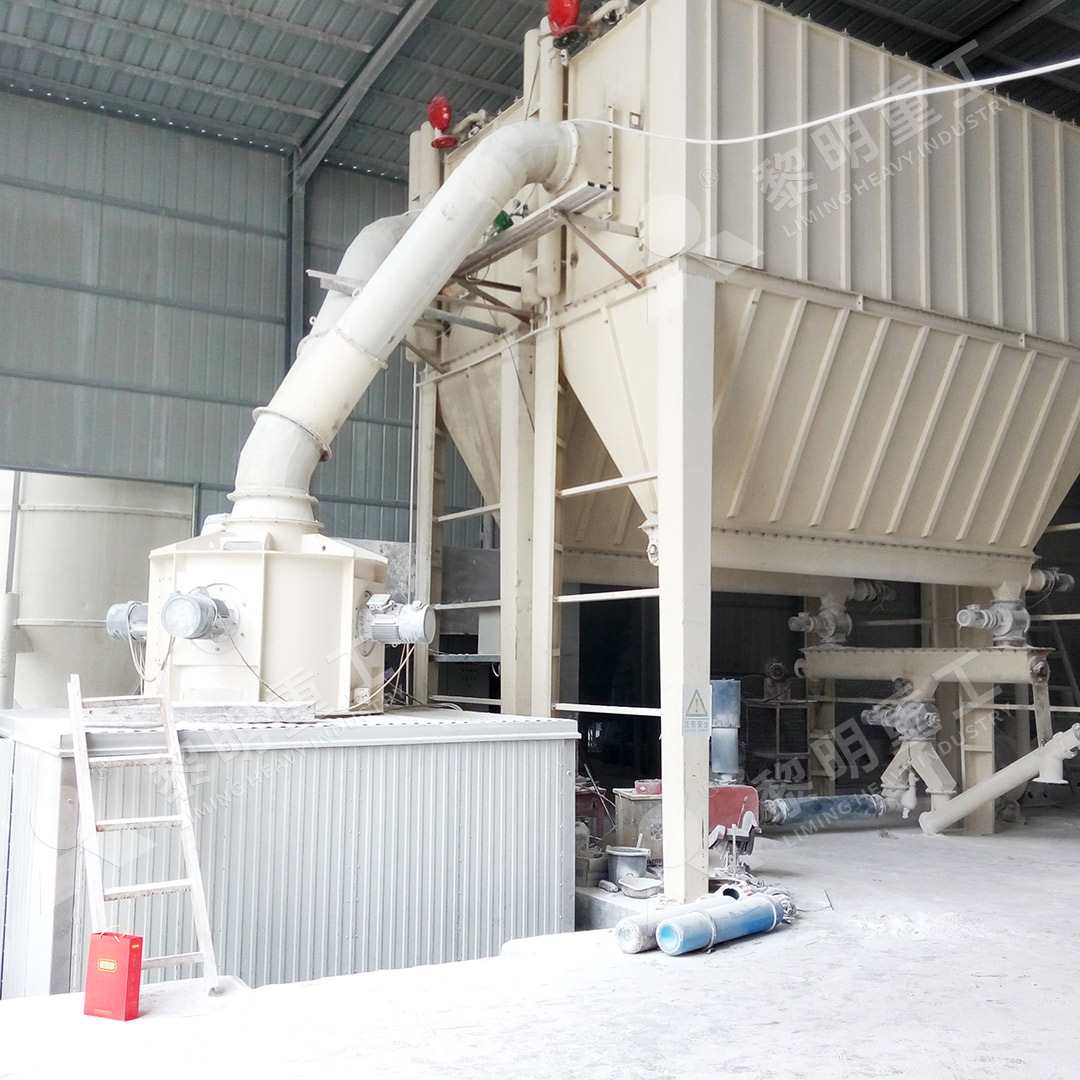
Conclusion
The journey to selecting the optimal ultrafine grinding solution—be it wet or dry—requires a careful balance of material science, process engineering, and economic considerations. Wet grinding remains the gold standard for many temperature-sensitive or dispersion-critical applications like high-purity graphite. Meanwhile, technological advancements in dry grinding, as embodied by mills like the MW series, offer highly efficient, environmentally sound alternatives that can simplify the process flow. Ultimately, partnering with an experienced manufacturer who can provide comprehensive testing and lifecycle support is crucial for long-term operational success and achieving the desired product characteristics that define market leadership.
Frequently Asked Questions (FAQ)
- Q: What is the main advantage of wet grinding over dry grinding for ultrafine applications?
A: The primary advantage is superior control over heat generation, which is critical for heat-sensitive materials. The liquid medium also inherently prevents dust, reduces particle re-agglomeration, and often results in a narrower particle size distribution and better surface activation for downstream dispersion. - Q: Can the MW Ultrafine Grinding Mill handle abrasive materials?
A: Yes, it is designed with wear-resistant materials for key components. Its unique design without internal rolling bearings or screws in the grinding chamber also reduces potential failure points associated with abrasive wear, enhancing durability and reducing maintenance downtime. - Q: How is the final fineness controlled in a mill like the MW Ultrafine Grinding Mill?
A: Fineness is precisely controlled by an advanced cage-type powder selector. The speed of the selector can be adjusted, and multi-head configurations are available to tailor the separation process according to specific requirements for yield, fineness, and sieving rate, allowing adjustment between 325 and 2500 meshes. - Q: What are the key environmental features of modern ultrafine mills?
A: Modern systems prioritize environmental protection. They typically integrate high-efficiency pulse jet dust collectors to ensure no dust pollution, and are equipped with silencers or noise reduction enclosures. The entire system often operates under negative pressure to contain particles, meeting strict national and international environmental standards. - Q: For a new project, how do I decide between a wet and dry grinding process?
A: The decision hinges on your material properties, final product specification (dry powder vs. slurry), and total cost of ownership. Conducting small-scale trials with a potential equipment supplier is highly recommended. They can test your specific material on both types of systems to provide data on achievable fineness, energy consumption, and potential contamination, guiding you to the most efficient and cost-effective solution.