
Granulated Slag Grinding Mill Solutions for Industrial Applications
We provide a wide range of mills — including Raymond mill, trapezoidal mill, vertical mill, ultrafine mill, and ball mill, obtained ISO9001 international quality certification, EU CE certification, and Customs Union CU-TR certification. Suitable for processing minerals such as limestone, phosphate, quicklime, kaolin, talc, barite, bentonite, calcium carbonate, dolomite, coal, gypsum, clay, carbon black, slag, cement raw materials, cement clinker, and more.
The discharge range of these mills can be adjusted to meet specific processing needs, typically from 80-400 mesh, 600-3250 mesh, and can achieve the finest particle size of up to 6000 mesh(D50).
If you are looking for a reliable grinding solution to turn stone or minerals into fine powder, please feel free to contact our online customer service.
Granulated Slag Grinding Mill Solutions for Industrial Applications
The efficient processing of granulated blast furnace slag (GBFS) into high-value supplementary cementitious materials (SCMs) represents a significant opportunity for both the metallurgical and construction industries. Transforming this industrial byproduct into finely ground slag powder not only mitigates environmental impact through waste utilization but also enhances concrete performance, contributing to more sustainable infrastructure. The core of this transformation lies in selecting the appropriate grinding technology—a decision that directly influences product quality, operational cost, and overall plant efficiency.
The Technical Imperative for Advanced Grinding
Granulated slag possesses unique characteristics that present specific challenges for size reduction. Its glassy, amorphous structure requires precise mechanical energy input to achieve the desired fineness and particle size distribution (PSD) without compromising its latent hydraulic reactivity. Traditional ball mills, while robust, often suffer from high energy consumption, significant wear, and limited control over PSD. Modern dry grinding processes demand solutions that offer superior grinding efficiency, lower specific energy consumption, and the ability to produce powders with consistent Blaine fineness or specific mesh sizes, typically targeting 400-600 m²/kg or finer.
The ideal grinding system must integrate several key functions: efficient comminution, reliable material drying (if necessary), precise classification, and environmentally sound operation with minimal dust emission. Furthermore, system stability, ease of maintenance, and low lifecycle costs are non-negotiable for continuous industrial operation.
Tailored Mill Technologies for Slag Processing
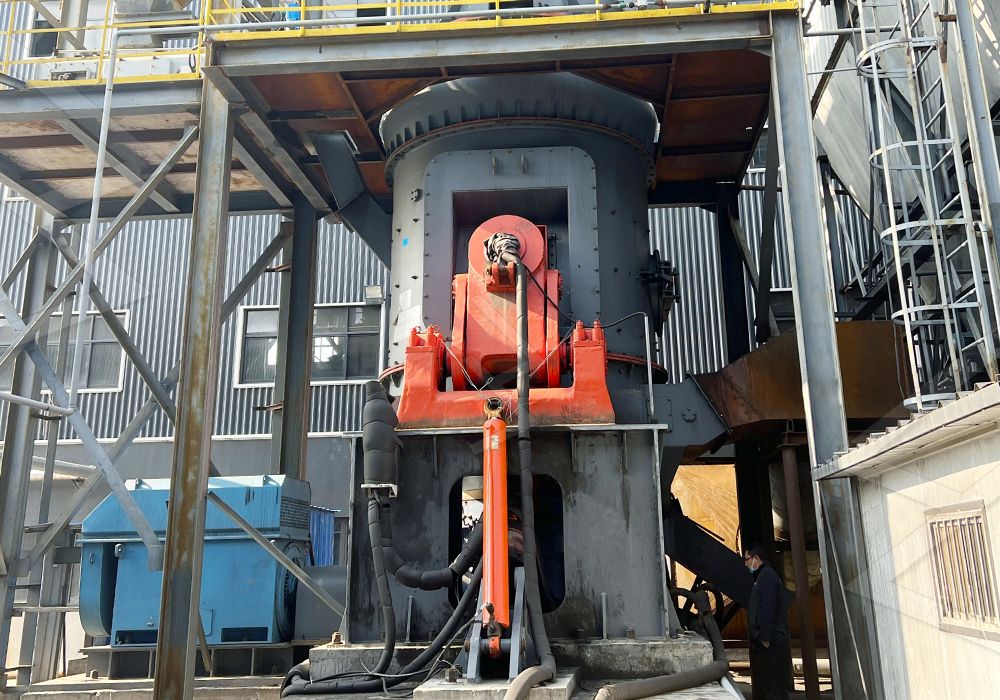
Several advanced mill designs have emerged to meet these stringent requirements, moving beyond conventional approaches. Vertical roller mills (VRMs) have become a cornerstone technology, praised for their compact footprint and integrated drying-grinding-classifying process. Their principle involves material being ground between rollers and a rotating table, with immediate classification by an internal separator. This design inherently offers excellent energy efficiency and is well-suited for medium to high-capacity slag grinding lines.
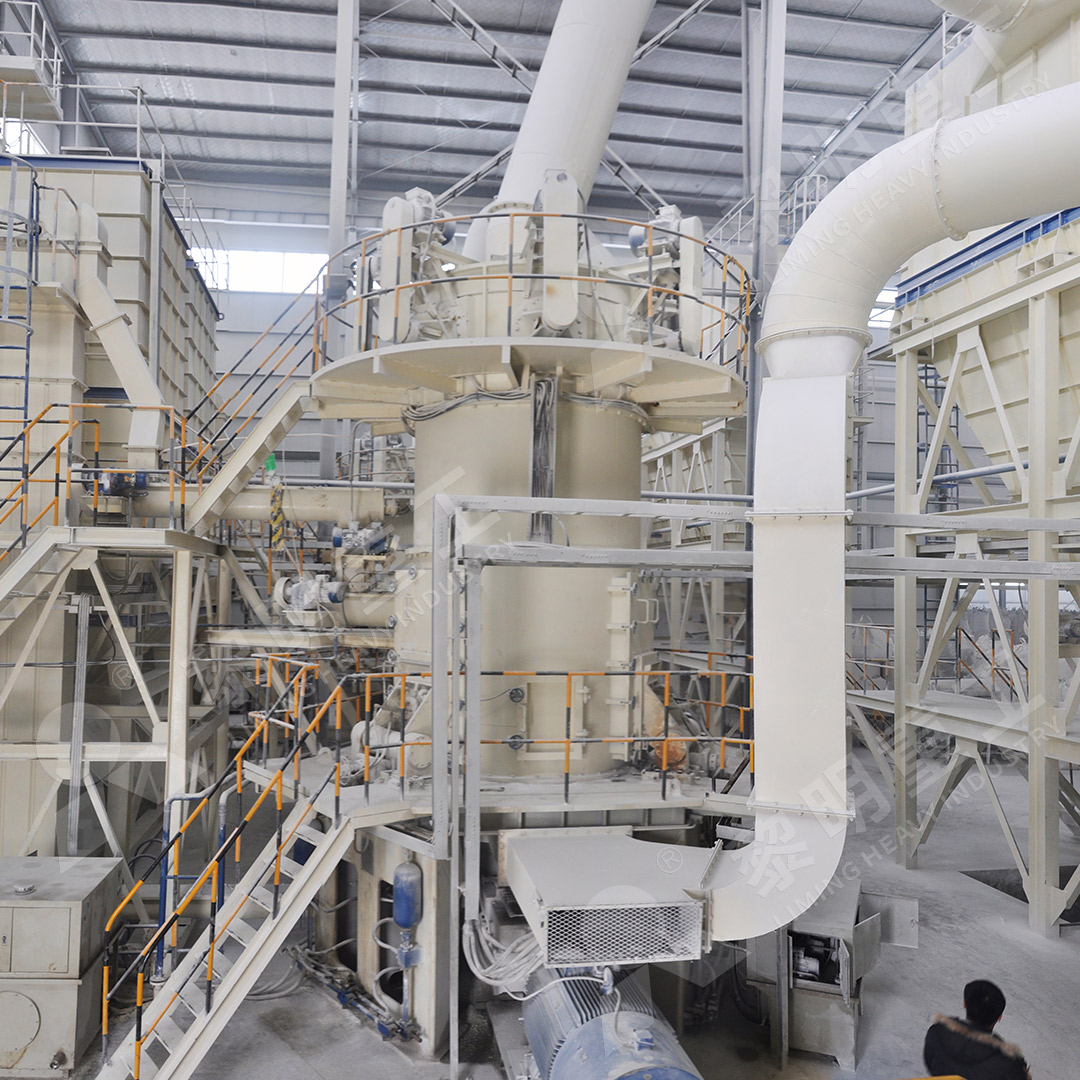
For operations requiring ultra-fine slag powders or possessing specific constraints on feed size and moisture, other specialized mills offer compelling advantages. A prime example is our MW Ultrafine Grinding Mill. This system is engineered for customers who need to produce ultra-fine powder from materials like slag. It accepts a feed size of 0-20 mm with a capacity range of 0.5-25 tph. A standout feature is its innovative grinding chamber design, which contains no rolling bearings or screws, eliminating concerns about bearing seal failures or machine damage from loose fasteners. Its cage-type powder selector, incorporating German technology, allows precise fineness adjustment between 325-2500 meshes, achieving a high screening rate of d97≤5μm in a single pass. Coupled with an efficient pulse dust collector and muffler, the MW Mill ensures a production process that is both high-yielding and environmentally responsible.
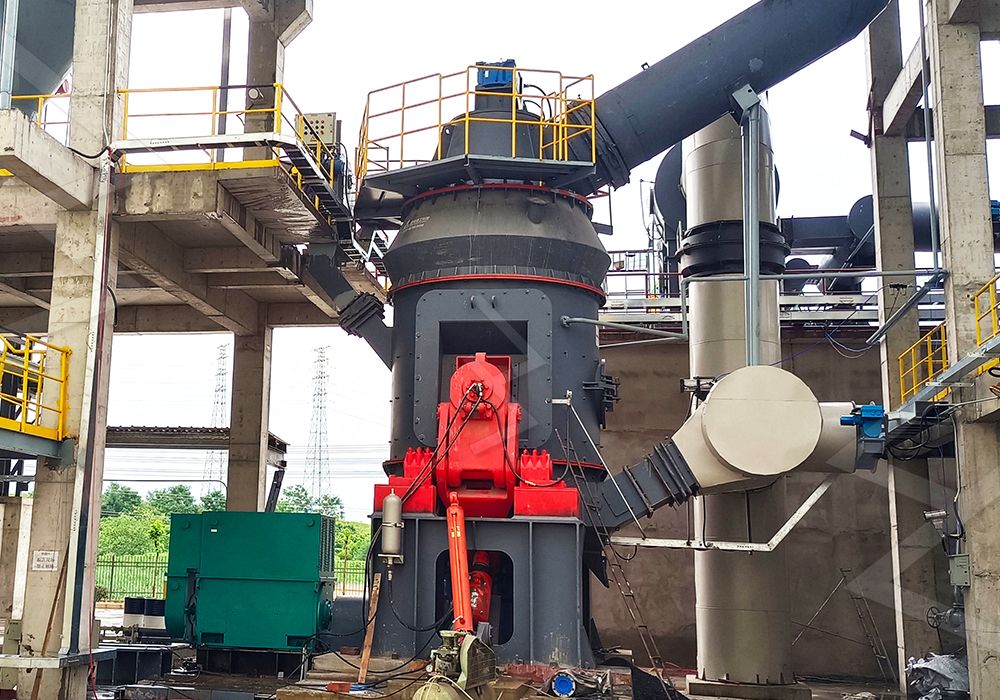
Another highly effective solution is the LM Vertical Slag Mill. This mill is specifically designed for grinding industrial wastes like granulated slag into powder, integrating drying, grinding, powder selection, and conveying into a single unit. With an input size of 38-65 mm and a capacity of 7-100 T/H, it is built for scale. Its vertical structure reduces the covered area by approximately 50% compared to a ball mill system, while energy consumption is slashed by 30-40%. The mill’s unique grinding device achieves the integration of grinding and powder selection, focusing specifically on the properties of slag to deliver a finished powder with uniform fineness and high screening rate. Its robust construction with high-performance wear-resistant materials ensures reliable, long-term operation, making it an ideal choice for large-scale slag processing in cement and concrete production.
Critical Selection Factors for Project Success
Choosing the right mill extends beyond basic capacity matching. Engineers must conduct a holistic analysis of several interdependent factors:
- Feed Characteristics: Initial particle size, moisture content, and grindability index.
- Product Specifications: Target fineness (Blaine or mesh), particle size distribution shape, and required throughput.
- System Integration: Compatibility with existing drying systems, material handling, and product storage.
- Economic Viability: Total cost of ownership, including capital expenditure, energy consumption per ton, and maintenance cost.
- Operational & Environmental Goals: Desired level of automation, noise control, and dust emission standards.
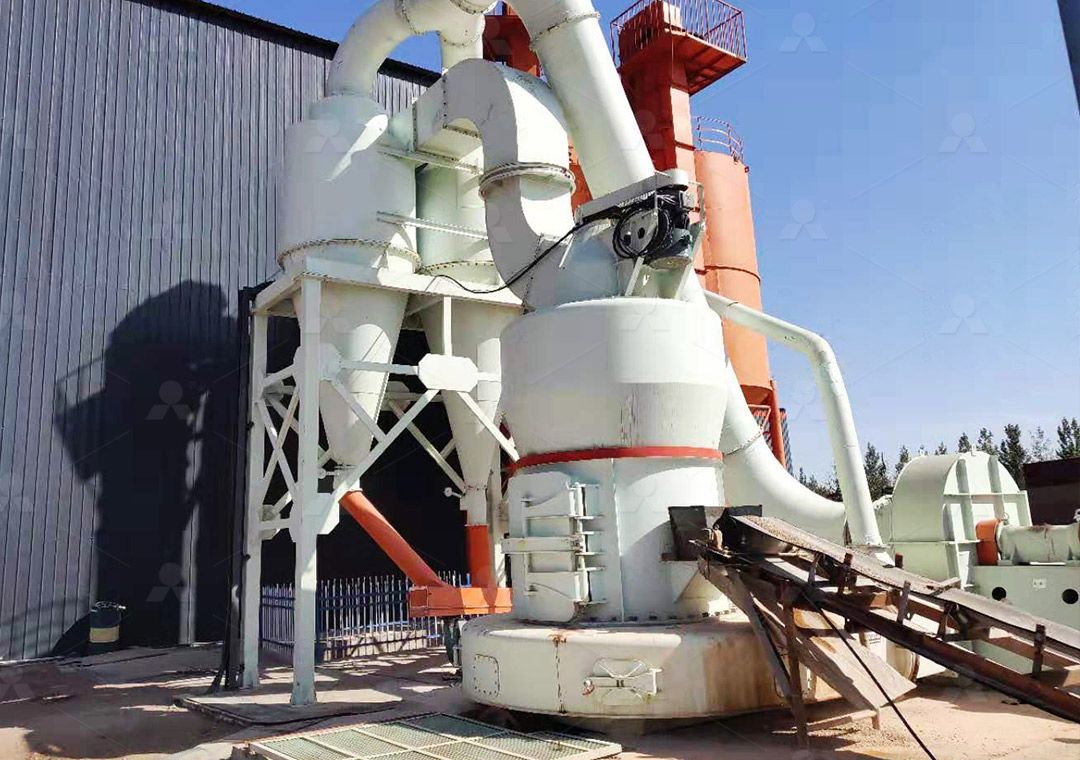
The integration of digitalized processing and numerical control in modern mills, such as those we provide, ensures high machining precision for core components. This translates to consistent performance, longevity, and the availability of genuine spare parts for worry-free operation. A mill is a long-term investment, and its selection should be guided by a partner with proven expertise in tailoring the technology to the specific material and production goal.
Conclusion: Building Value from Byproduct
The journey from granulated slag to a premium construction material is driven by technological precision. By implementing advanced grinding solutions like the specialized LM Vertical Slag Mill or the ultra-fine capable MW Mill, industries can unlock the full potential of this resource. The result is a triple win: reduced environmental footprint through industrial symbiosis, production of high-performance concrete additives, and improved economic returns from what was once considered waste. The future of sustainable construction and responsible metallurgy is, quite literally, being ground into shape by these sophisticated milling technologies.
Frequently Asked Questions (FAQs)
- What is the primary advantage of using a vertical mill over a traditional ball mill for slag grinding?
Vertical mills offer significantly higher energy efficiency (typically 30-50% less power consumption), a more compact footprint, integrated drying and classifying, and better control over particle size distribution and product whiteness. - Can your mills handle slag with varying moisture content?
Yes, models like the LM Vertical Slag Mill are designed to integrate drying and grinding. By introducing hot air into the grinding chamber, they can effectively handle materials with certain moisture levels, eliminating the need for a separate dryer in many cases. - What fineness range can be achieved for slag powder, and how is it controlled?
Our mills, such as the MW Ultrafine Grinding Mill, can achieve fineness between 325 and 2500 meshes. Control is achieved through advanced, adjustable internal classifiers (like cage-type powder selectors) which allow precise cut-point adjustment without stopping the mill. - How do you address wear and maintenance in abrasive slag grinding applications?
We use high-performance wear-resistant materials for grinding rollers and tables. Designs like the reversible structure in our LUM series or the bearing-free chamber in the MW Mill simplify maintenance. Additionally, we ensure a sufficient supply of original spare parts to minimize downtime. - Are your grinding systems environmentally compliant?
Absolutely. Our standard configurations include high-efficiency pulse jet baghouse dust collectors and silencers, ensuring dust emissions and noise levels meet strict international environmental protection standards. The systems operate under negative pressure to prevent dust spillage. - What level of automation do your grinding mill solutions offer?
Our systems can be equipped with PLC-based automatic control systems, enabling remote monitoring, automatic adjustment of operational parameters, and seamless integration into plant-wide control networks for efficient, labor-saving operation.