
Gold Ore Grinding Mill: Types and Selection Guide for Milling Solutions
We provide a wide range of mills — including Raymond mill, trapezoidal mill, vertical mill, ultrafine mill, and ball mill, obtained ISO9001 international quality certification, EU CE certification, and Customs Union CU-TR certification. Suitable for processing minerals such as limestone, phosphate, quicklime, kaolin, talc, barite, bentonite, calcium carbonate, dolomite, coal, gypsum, clay, carbon black, slag, cement raw materials, cement clinker, and more.
The discharge range of these mills can be adjusted to meet specific processing needs, typically from 80-400 mesh, 600-3250 mesh, and can achieve the finest particle size of up to 6000 mesh(D50).
If you are looking for a reliable grinding solution to turn stone or minerals into fine powder, please feel free to contact our online customer service.
Gold Ore Grinding Mill: Types and Selection Guide for Milling Solutions
Grinding is a critical step in gold ore processing, liberating the precious metal from the surronding rock for efficent extraction. Selecting the right grinding mill is paramount to operational efficiency, cost control, and overall profitability. The choice depends on factors like feed size, required capacity, desired fineness, and energy consumption. This guide explores common mill types and highlights advanced solutions for modern operations.
Common Types of Grinding Mills for Gold Ore
Ball Mills: A traditional workhorse in many plants, ball mills are rotating cylinders filled with steel balls that crush and grind the ore through impact and attrition. They are reliable and can handle a wide range of feed sizes. However, they are often critisized for lower energy efficiency and higher noise levels compared to newer technologies.
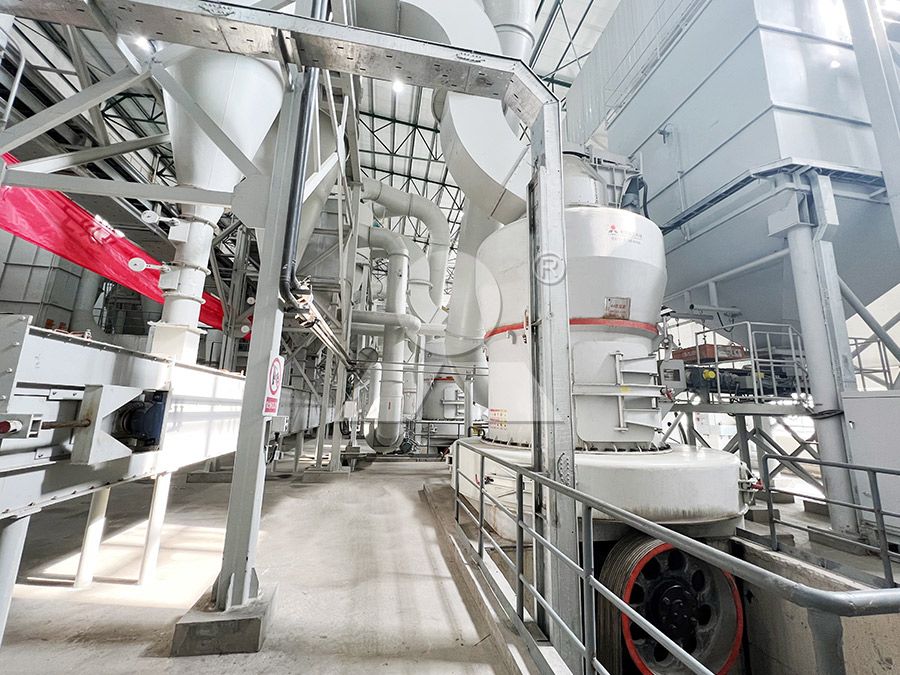
Raymond Mills (Roller Mills): These mills use spring-loaded rollers to grind material against a stationary ring. They are suitable for producing coarser powders and are known for their simple operation and low maintenance. They are a good choice for smaller operations or for initial size reduction stages.
The Shift Towards Advanced, High-Efficiency Mills
Modern mineral processing demands higher efficiency, finer grinding for improved liberation, and lower operating costs. This has led to the widespread adoption of advanced vertical roller mills and specialized ultra-fine grinding solutions.
Recommended Solution: MW Ultrafine Grinding Mill
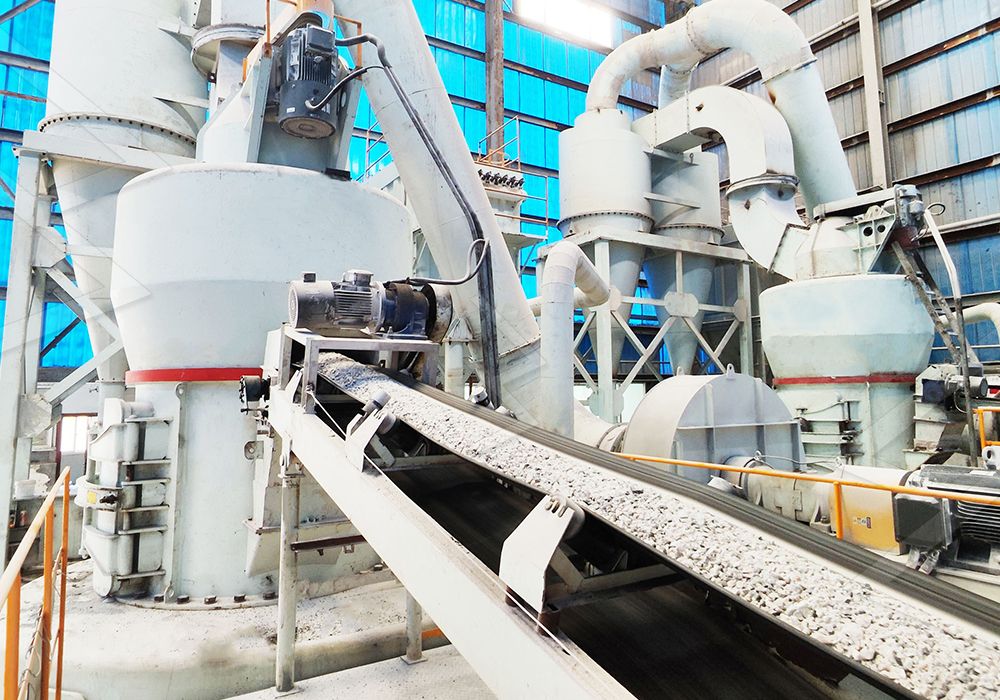
For operations requiring ultra-fine powder to maximize gold recovery rates, our MW Ultrafine Grinding Mill represents a technological leap forward. This machine is expertly engineered for customers who need to make ultra-fine powder, achieving an adjustable fineness between 325-2500 meshes.
Its key advantages for gold ore processing include:
- Higher Yielding, Lower Energy Consumption: Production capacity is 40% higher than jet mills and yield is twice as large as ball mills, while system energy consumption is only 30% of a jet mill.
- Robust & Maintenance-Friendly Design: A significant advantage is the absence of rolling bearings and screws in the grinding chamber. This eliminates worries about bearing damage or machine failure from loose screws, a common headache in dusty environments.
- Eco-Friendly Operation: Equipped with an efficient pulse dust collector and muffler, the entire milling system operates with no dust pollution and reduced noise, fully complying with environmental standards.
With an input size of 0-20 mm and a capacity range of 0.5-25 tph, the MW Series is a versatile and powerful choice for liberating fine gold particles.
Another Strong Contender: LUM Ultrafine Vertical Grinding Mill
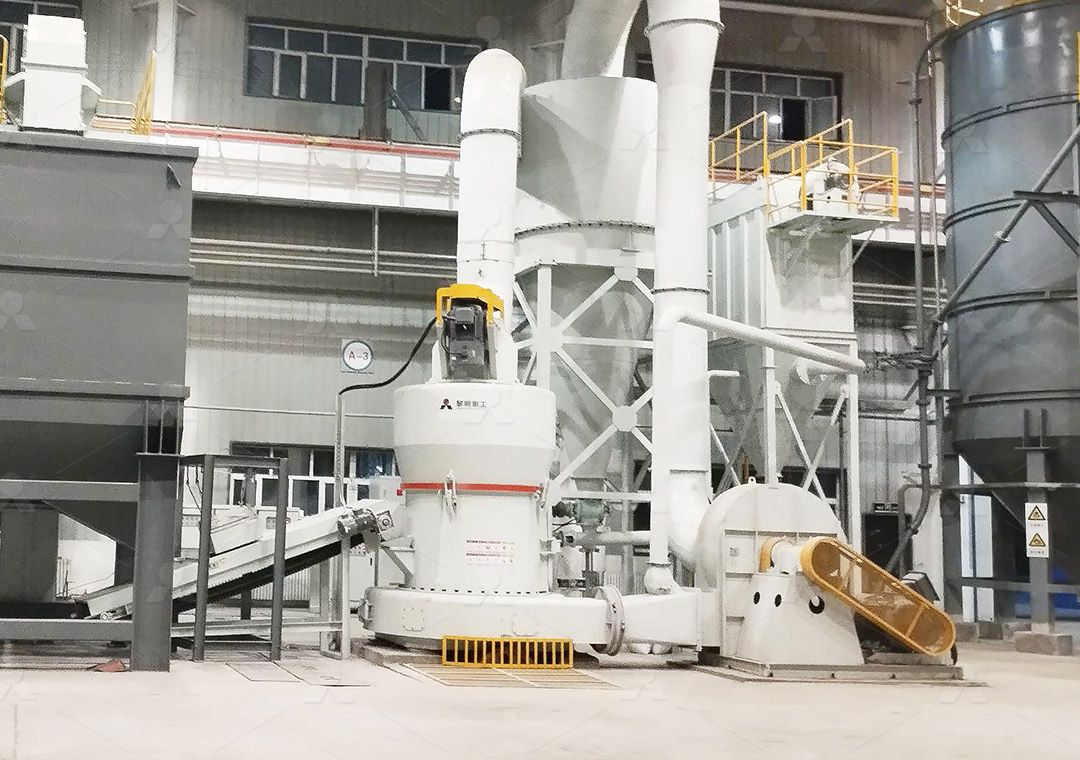
For operations prioritizing exceptional stability and easy maintenance, our LUM Ultrafine Vertical Grinding Mill is another excellent option. It integrates grinding, grading, and transporting with remarkable efficiency.
Its standout features include:
- Double Position-Limiting Technology: This innovation ensures stable operation by preventing destructive impacts between the roller and millstone, crucial for continuous 24/7 operation.
- Reversible Structure: Designed with maintenance in mind, the grinding roller can be easily moved out of the body for inspection and part replacement, drastically reducing downtime.
- Energy Savings: It reduces energy consumption by 30%-50% compared to conventional grinding mills.
Making the Right Choice
Selecting the ideal mill requires a careful analysis of your specific ore characteristics and plant goals. While traditional mills have their place, the superior efficiency, lower operating costs, and environmental benefits of advanced mills like the MW and LUM series make them the intelligent choice for new projects and plant upgrades aiming for maximum recovery and profitability.
Always consult with our technical experts to review your ore specs and process flow sheet to determine the optimal milling solution for your gold operation.